
 By Fatih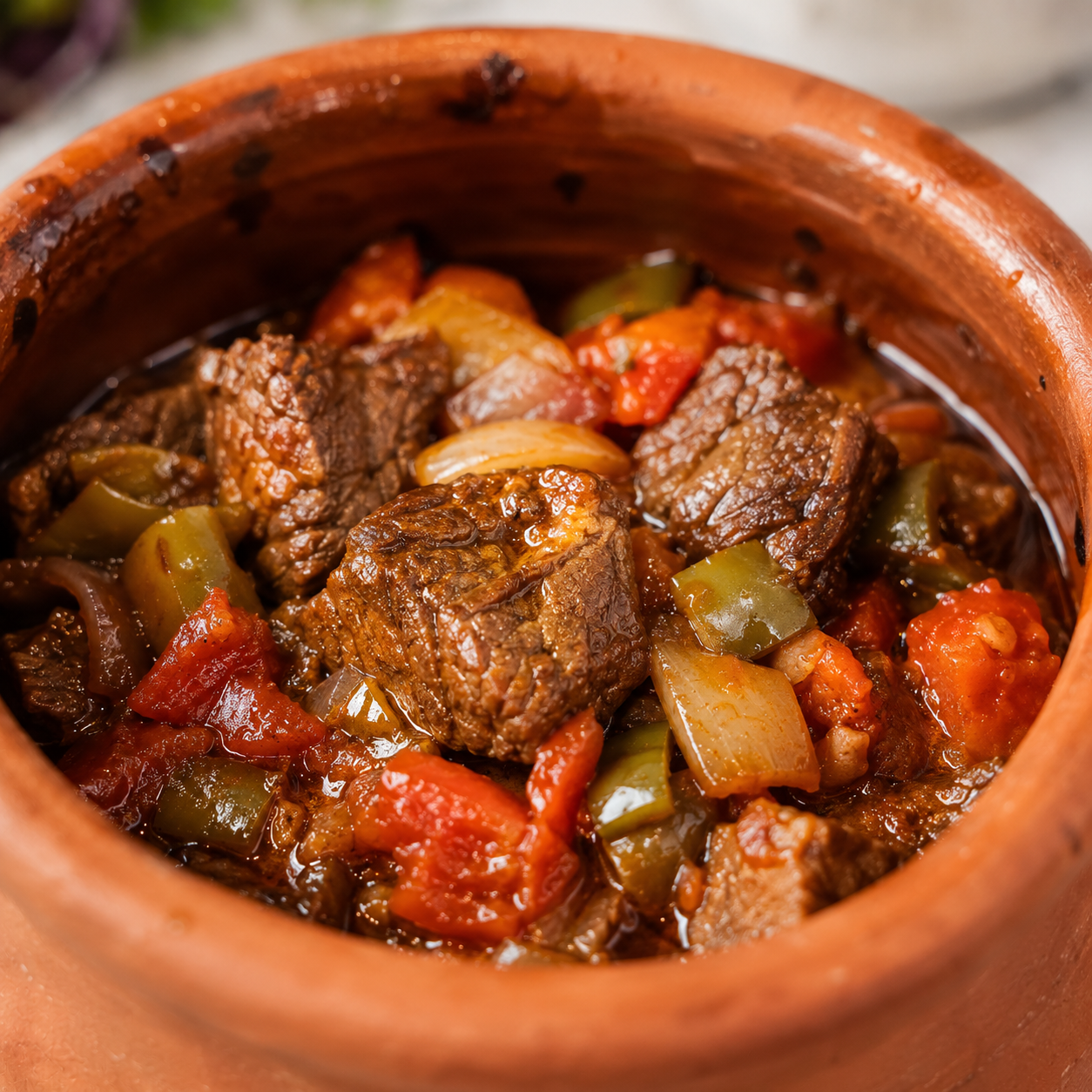
Testi Kebabı is one of the most visually dramatic and culturally unique dishes in Turkish cuisine — a slow-cooked meat stew traditionally sealed and cooked inside a clay pot until the flavors become deeply rich, smoky, and aromatic.
The dish is especially associated with the Cappadocia region of central Türkiye, where pottery craftsmanship and slow-cooked Anatolian cuisine have existed side by side for centuries.
The word “testi” refers to the clay jug or pottery vessel used during cooking.
Traditionally, the ingredients are sealed inside the clay pot with dough or a clay stopper, then cooked slowly over fire or in a wood oven.
At many restaurants in Cappadocia, the pot is theatrically cracked open at the table before serving.
This presentation has made Testi Kebabı one of Türkiye’s most famous regional dishes.
But beyond the visual spectacle, the real magic lies in the cooking process itself.
Because the pot remains sealed during cooking:
- Steam stays trapped
- Meat slowly tenderizes
- Vegetables soften naturally
- Flavors intensify
- Moisture remains inside
The result is an incredibly rich and comforting stew with tender meat and deeply aromatic sauce.
Traditional Testi Kebabı usually contains:
- Lamb or beef
- Tomatoes
- Peppers
- Onion
- Garlic
- Butter or tail fat
- Gentle spices
Unlike aggressively seasoned dishes, Testi Kebabı focuses on slow flavor development and ingredient harmony.
Served hot with rice, bread, or roasted vegetables, the dish represents the rustic heart of Anatolian cooking.
This home-style version recreates the essence of authentic Testi Kebabı without requiring a professional clay oven.
- Servings: 4–6
- Prep Time: 30 minutes
- Cook Time: 2½–3 hours
- Total Time: About 3½ hours
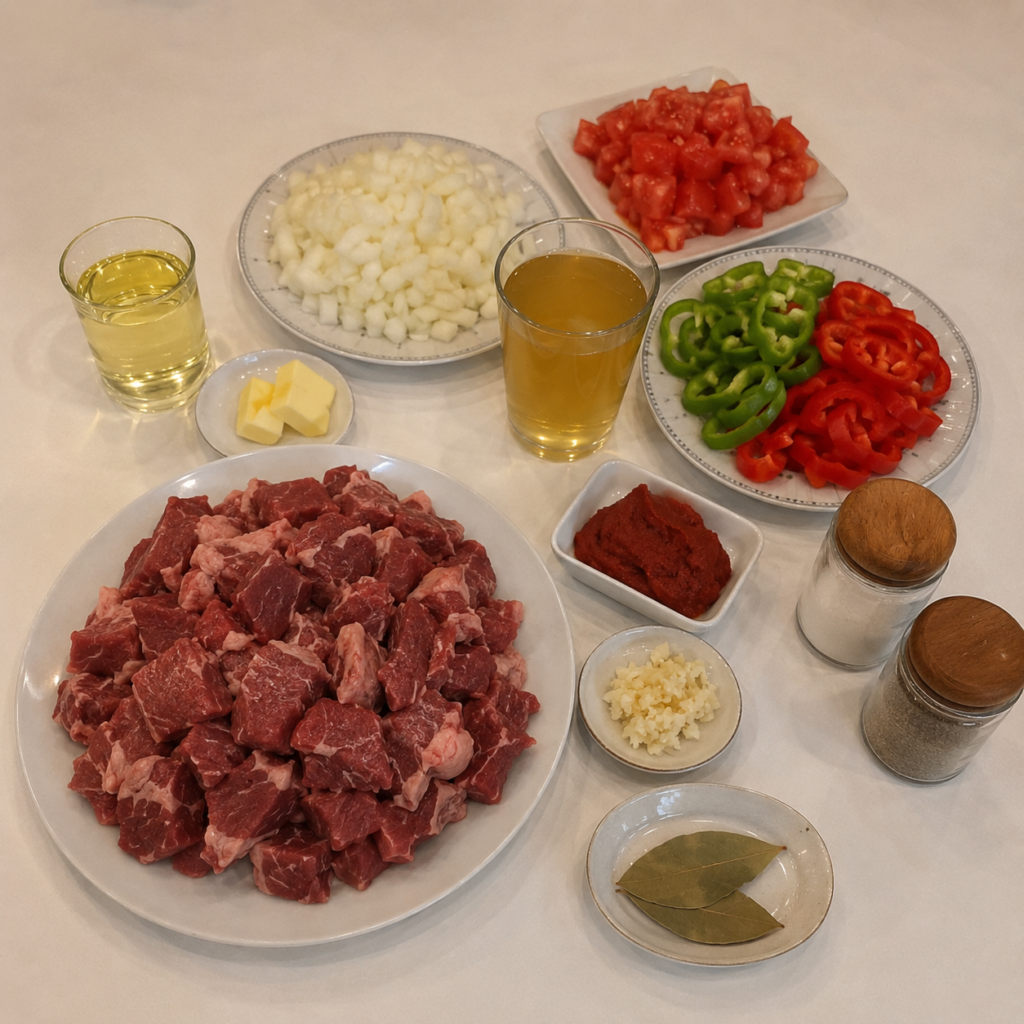
Ingredients
For the Meat
- 1 kg lamb shoulder or beef chuck
- 2 tablespoons butter
- 2 tablespoons olive oil
- 2 onions, chopped
- 4 garlic cloves, sliced
- 3 tomatoes, chopped
- 2 green peppers, sliced
- 1 red pepper, sliced
- 1 tablespoon tomato paste
- 1 teaspoon paprika
- 1 teaspoon black pepper
- Salt, to taste
- 2 bay leaves
- 1 cup beef stock or hot water
Optional Additions
- 1 carrot, sliced
- 2 potatoes, cubed
- Small hot peppers
For Sealing the Pot
- Simple flour dough or foil
For Serving
- Rice pilaf
- Rustic bread
- Fresh parsley
- Pickled vegetables
Instructions
1. Prepare the Meat
Cut the lamb or beef into medium-sized chunks.
The pieces should remain fairly large because long cooking naturally softens and reduces them.
Traditional Testi Kebabı commonly uses lamb because its fat creates particularly rich flavor during slow cooking.
Pat the meat dry.
Dry meat browns more effectively and develops deeper flavor.
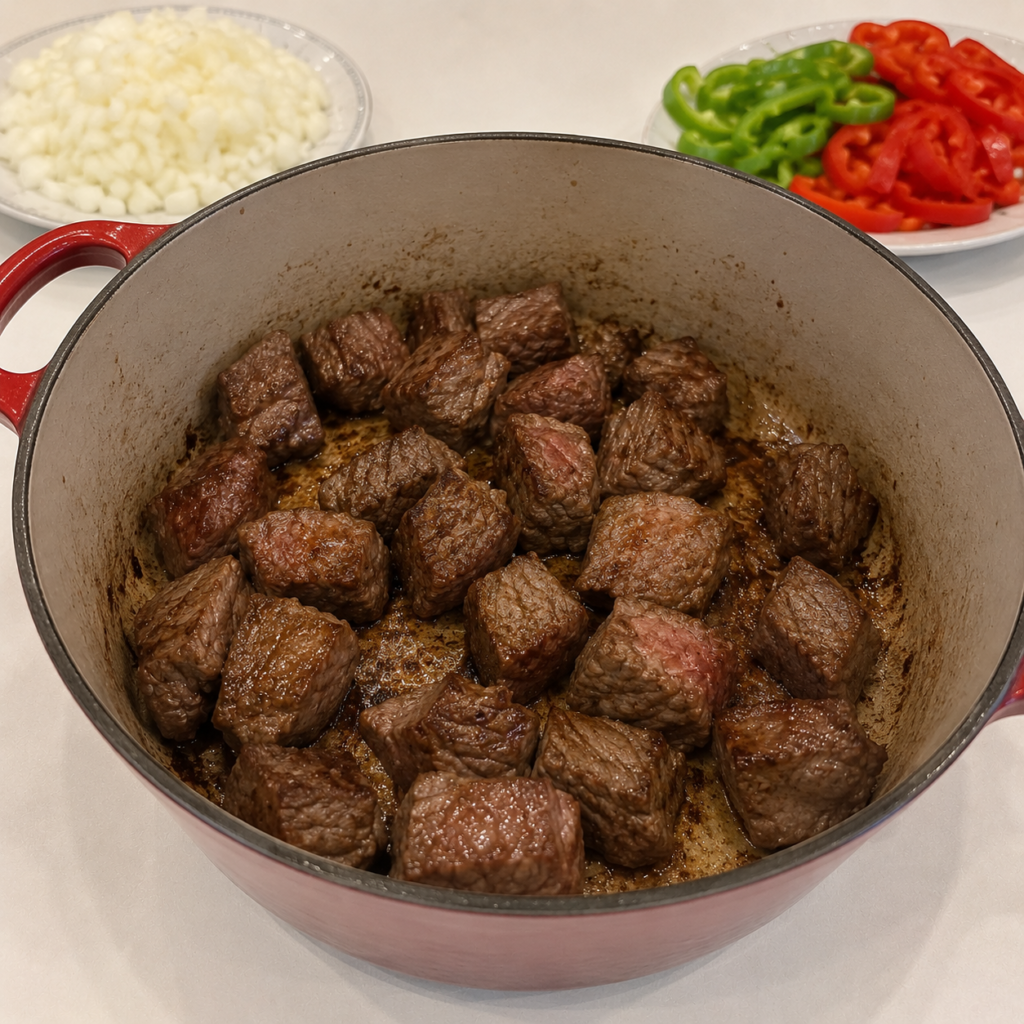
2. Brown the Meat
Heat butter and olive oil in a large pan.
Add the meat in batches.
Do not overcrowd the pan.
Proper browning creates caramelization that gives the stew much deeper flavor later.
Cook until the meat develops rich golden-brown edges.
Remove and set aside temporarily.
The browned residue left in the pan contains concentrated flavor.
3. Cook the Vegetables
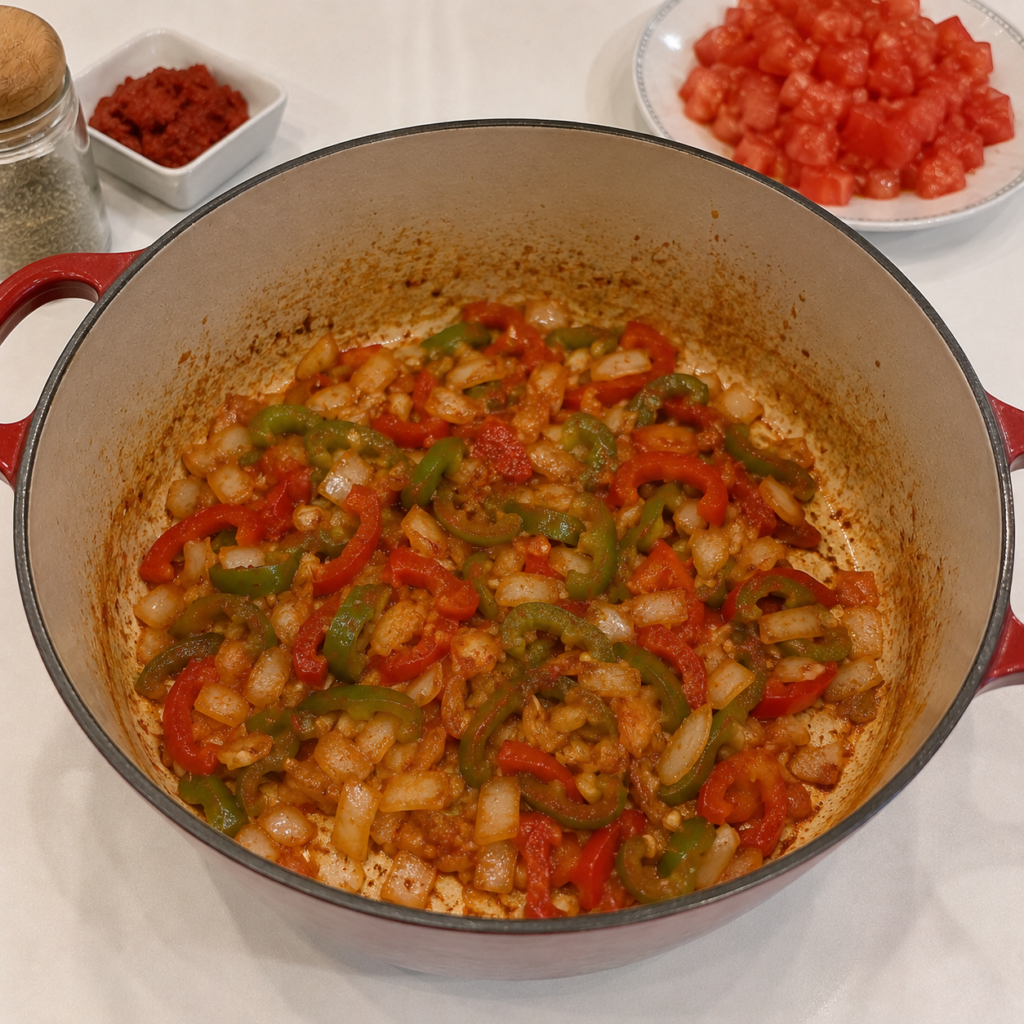
In the same pan, add onions and peppers.
Cook slowly until softened.
Add garlic and cook briefly.
Stir in tomato paste and cook for several minutes.
Cooking the tomato paste removes raw acidity while deepening sweetness and richness.
Add chopped tomatoes, paprika, black pepper, and salt.
The vegetables should begin forming a rich aromatic base.
4. Combine the Ingredients
Return the browned meat to the pan.
Add bay leaves and stock.
Mix thoroughly.
At this stage, the sauce should remain relatively loose because long cooking inside the sealed pot naturally thickens the mixture.
Some regional versions also include potatoes or carrots for additional sweetness and body.
5. Fill the Clay Pot
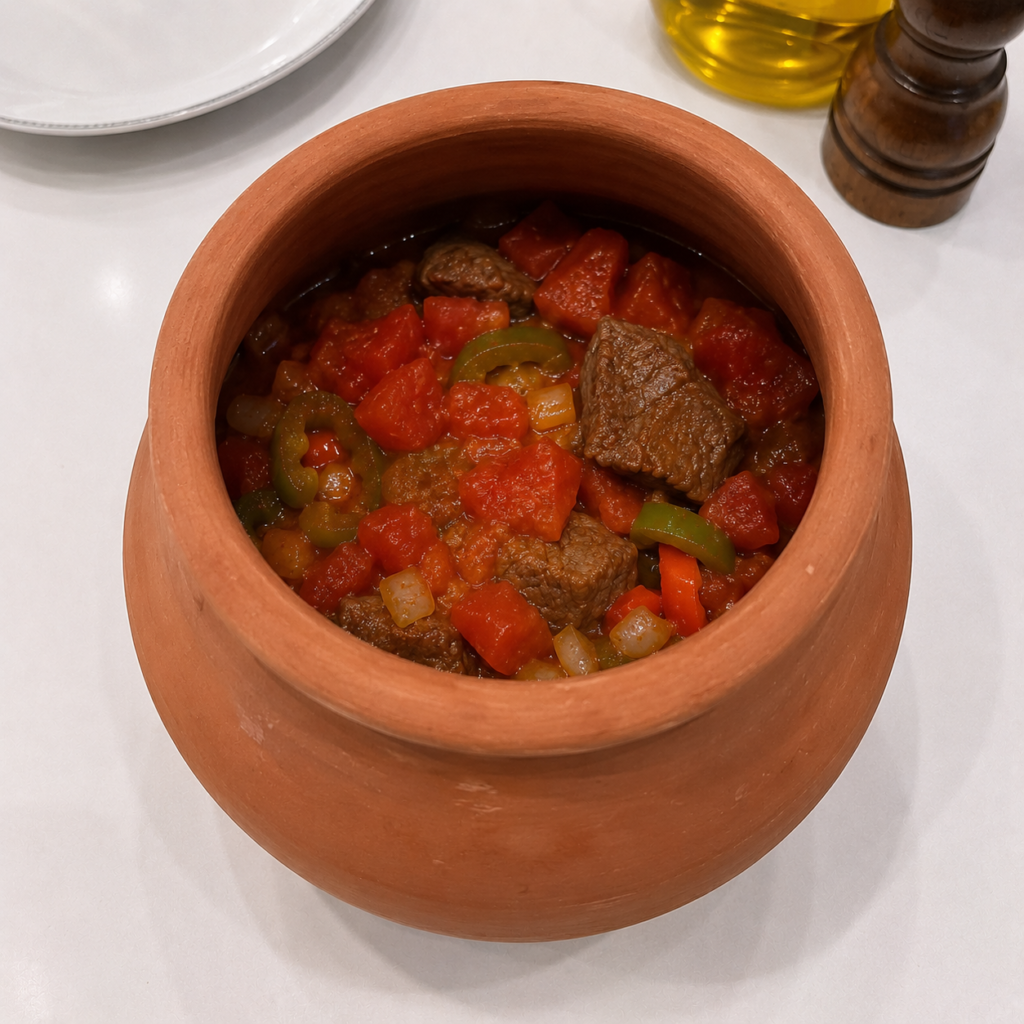
Transfer everything into a clay pot or oven-safe casserole dish.
Traditional Testi Kebabı uses tall narrow clay vessels that trap steam extremely effectively.
Do not overfill.
Leave some room for steam circulation during cooking.
The liquid should partially cover the meat and vegetables.
6. Seal the Pot
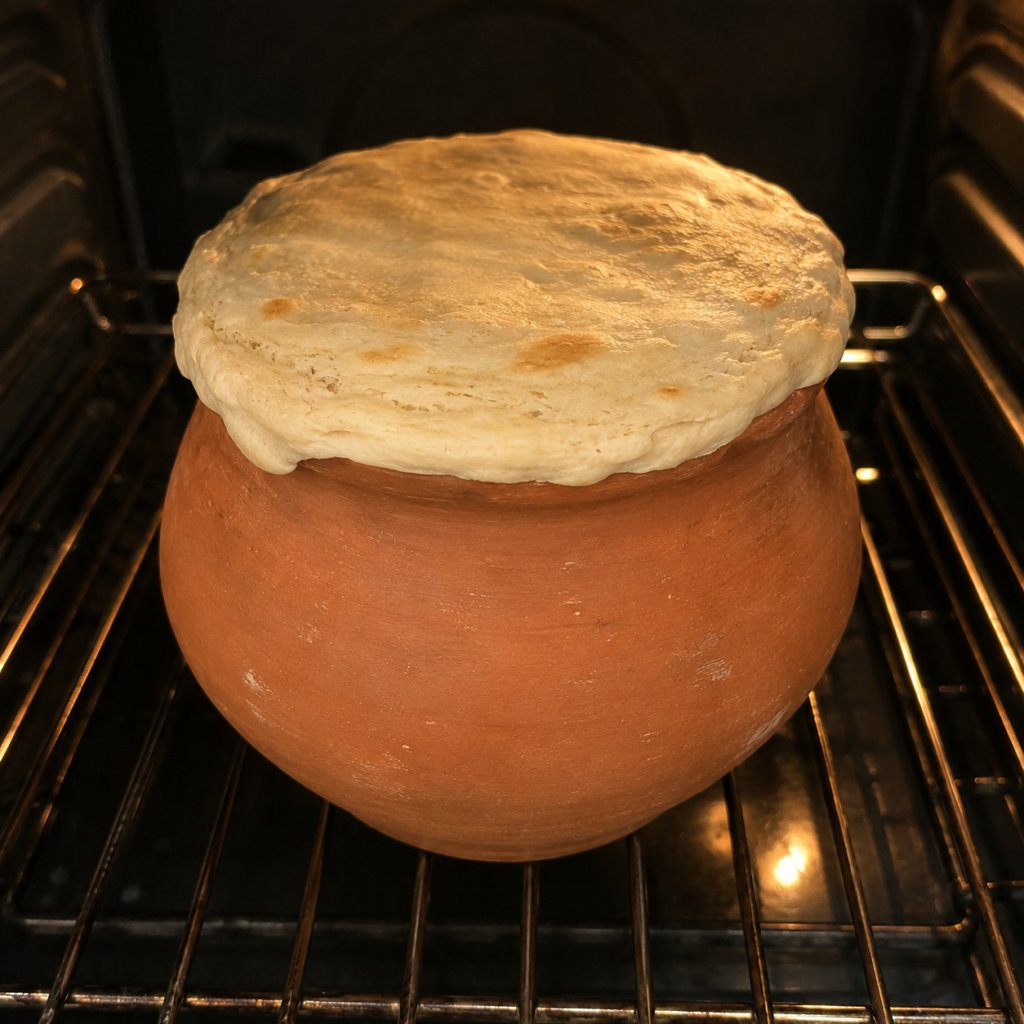
Traditionally, the pot opening is sealed using dough.
This traps moisture and creates the signature slow-steamed environment.
You can also use tightly wrapped foil if needed.
The sealed cooking process is one of the defining features of authentic Testi Kebabı.
Because steam cannot escape easily:
- Meat becomes exceptionally tender
- Flavors intensify
- Sauce thickens naturally
- Vegetables absorb meat juices
7. Cook Slowly
Place the sealed pot into a preheated oven at 160°C (320°F).
Cook slowly for approximately 2½ to 3 hours.
Long cooking is essential.
The meat should eventually become:
- Tender
- Juicy
- Deeply flavorful
- Easily broken apart with a fork
The sauce becomes silky and concentrated as everything cooks together.
Traditional wood-fired ovens often create subtle smoky flavor during this stage.
8. Open the Pot Carefully
Remove carefully from the oven.
Allow it to rest briefly before opening.
Traditionally, restaurants crack the clay pot dramatically at the table.
At home, carefully remove the dough seal or foil.
Aromatic steam should escape immediately.
The fragrance is one of the most memorable parts of the dish.
9. Serve the Testi Kebabı
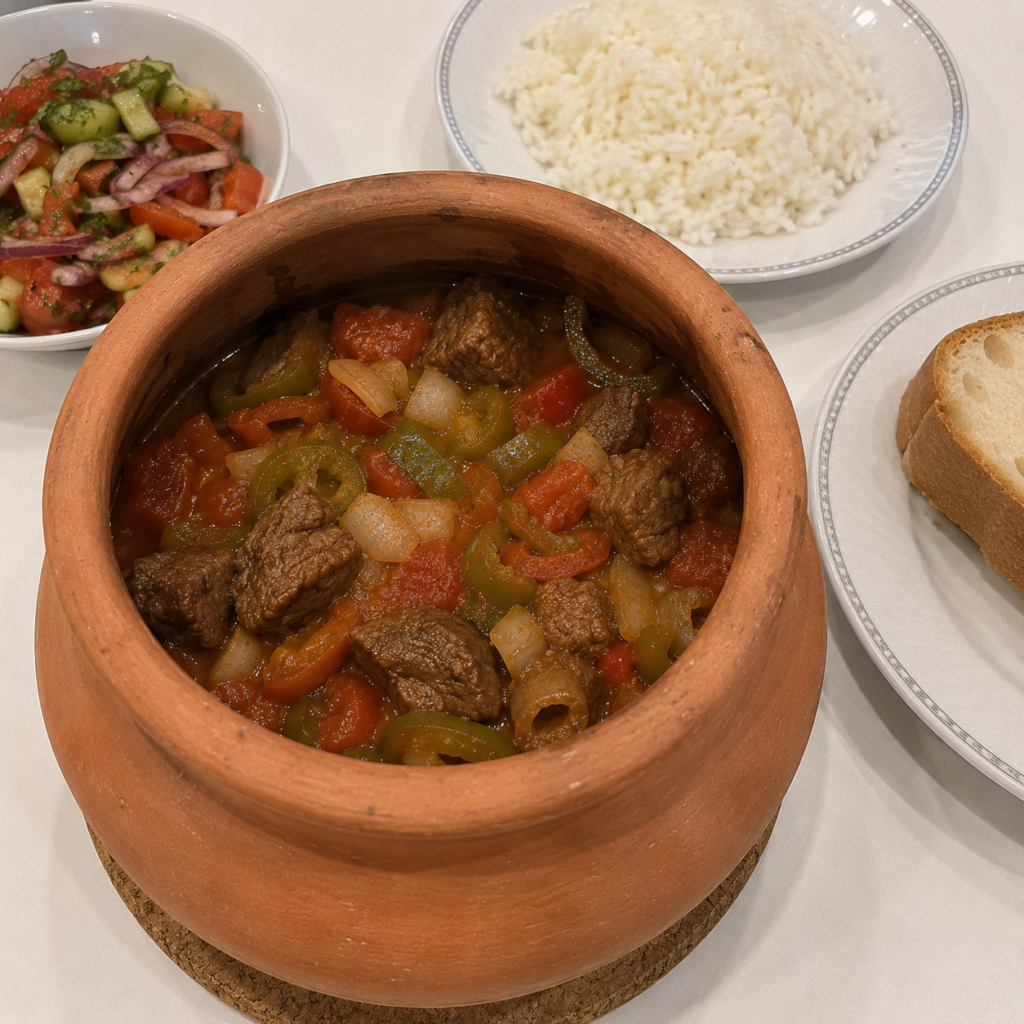
Serve hot alongside rice pilaf or rustic bread.
Fresh parsley helps brighten the richness of the stew.
The sauce should generously coat the meat and vegetables.
Warm bread is especially useful for soaking up the concentrated sauce.
What Makes Testi Kebabı So Special?
Testi Kebabı stands out because of its cooking method.
The sealed clay pot creates a completely different environment compared to ordinary stews.
Inside the pot:
- Steam circulates continuously
- Moisture remains trapped
- Meat slowly braises
- Aromas intensify
- Vegetables soften naturally
The result feels incredibly rich and comforting without needing excessive spices or complicated ingredients.
Another defining feature is texture.
Proper Testi Kebabı should have:
- Fork-tender meat
- Soft vegetables
- Thick silky sauce
- Deep savory aroma
- Balanced richness
The clay pot itself also contributes subtle earthy character during long cooking.
The Origins of Testi Kebabı
Testi Kebabı is strongly associated with Cappadocia, one of Türkiye’s most historically rich regions.
Cappadocia has long traditions of both pottery production and slow-cooked Anatolian cuisine.
The region’s clay craftsmanship naturally influenced local cooking methods.
Over generations, sealed pottery cooking became one of Cappadocia’s most recognizable culinary traditions.
Today, Testi Kebabı remains one of the region’s signature tourist and cultural dishes.
Choosing the Best Meat
Lamb Shoulder
Traditional and richly flavorful.
Excellent fat content for slow cooking.
Beef Chuck
Very suitable for long braising.
Becomes tender over time.
Avoid Lean Cuts
Lean meat dries out during extended cooking.
Things to Consider
Seal the Pot Properly
Steam retention is critical.
Cook Slowly
Low temperature creates tenderness.
Don’t Add Too Much Liquid
Ingredients naturally release moisture.
Brown the Meat First
Adds enormous flavor depth.
Tips
Use Homemade Stock
Creates richer sauce.
Clay Pots Work Best
Traditional pottery improves authenticity.
Let the Dish Rest Briefly
Flavor settles after cooking.
Serve Immediately After Opening
The steam and aroma are part of the experience.
Rustic Bread Is Perfect
Ideal for soaking up sauce.
Traditional Side Dishes
Testi Kebabı pairs beautifully with:
- Rice pilaf
- Rustic bread
- Pickled vegetables
- Shepherd’s salad
- Roasted peppers
- Ayran
These lighter accompaniments balance the richness of the stew.
Why Anatolian Slow Cooking Feels So Comforting
Traditional Anatolian cuisine often relies on:
- Patience
- Gentle heat
- Moisture retention
- Ingredient balance
- Deep flavor development
Rather than masking ingredients with heavy seasoning, these dishes allow natural flavors to intensify slowly over time.
Testi Kebabı perfectly represents this philosophy.
Storage and Reheating
Refrigerator
Store for up to 4 days.
Freezing
Freezes well for several months.
Reheating
Reheat slowly over medium-low heat.
Add a splash of water if needed.
Final Thoughts
Testi Kebabı is one of the most memorable and theatrical dishes in Turkish cuisine — rich, tender, aromatic, and deeply comforting.
Its sealed clay-pot cooking method transforms simple ingredients into something luxurious and intensely flavorful.
The combination of slow-braised meat, softened vegetables, concentrated sauce, and dramatic presentation creates a dining experience that feels both rustic and special.
Served hot with rice and fresh bread, Testi Kebabı becomes the kind of traditional meal that captures the heart of Anatolian cooking culture.
It is Turkish slow cooking and regional craftsmanship combined into one unforgettable dish.
Afiyet olsun!