
 By Fatih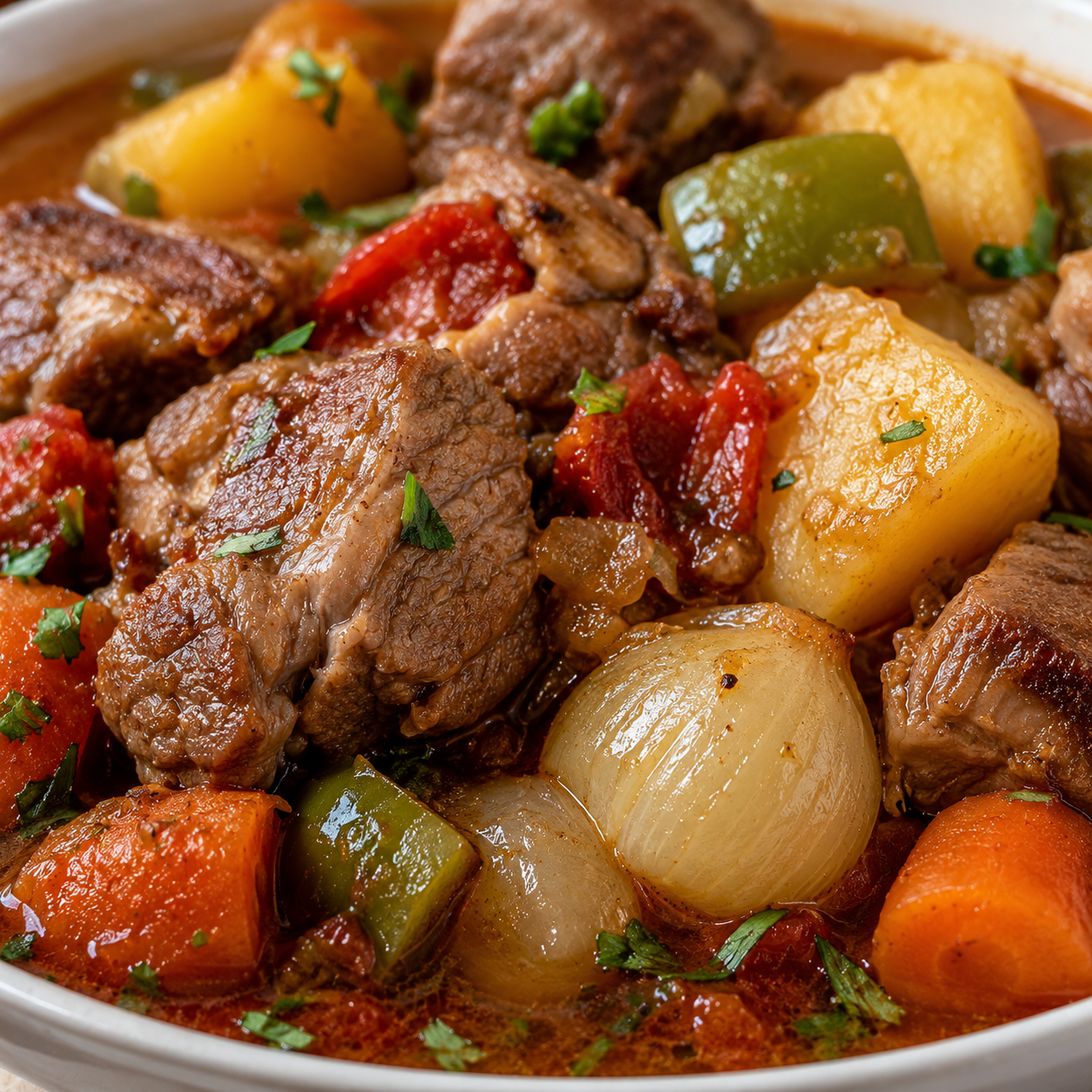
Kuzu Kapama is a slow-cooked lamb dish where tender meat and vegetables gently simmer together until everything becomes deeply flavorful and incredibly soft.
The dish belongs to the rich tradition of Ottoman-style one-pot meals that emphasize patience, balance, and natural flavor development rather than heavy seasoning.
The word “kapama” roughly refers to the cooking method itself — ingredients are enclosed together and slowly cooked so that steam, juices, and aromas remain trapped inside the pot.
This slow-cooking process allows the lamb to release its rich juices into the vegetables while the vegetables absorb the savory flavor of the meat.
The result is a dish that feels rustic, nourishing, and deeply satisfying.
Traditional Kuzu Kapama often includes:
- Lamb shoulder or leg
- Small onions
- Potatoes
- Carrots
- Peppers
- Tomatoes
- Garlic
- Fresh herbs
Some regional versions remain very simple and focus almost entirely on lamb and onions, while others include a wider variety of vegetables.
Unlike heavily spiced meat dishes, Kuzu Kapama usually relies on:
- Lamb richness
- Slow cooking
- Vegetable sweetness
- Natural juices
- Gentle aromatics
The dish is especially popular during family gatherings and colder months because it creates a warm, comforting centerpiece meal with minimal complexity.
Served with rice pilaf, crusty bread, or fresh salad, Kuzu Kapama perfectly represents the rustic heart of Turkish comfort food.
This home-style version captures the authentic spirit of traditional Kuzu Kapama while remaining practical for modern kitchens.
- Servings: 4–6
- Prep Time: 30 minutes
- Cook Time: 2½ hours
- Total Time: About 3 hours
Ingredients
For the Lamb
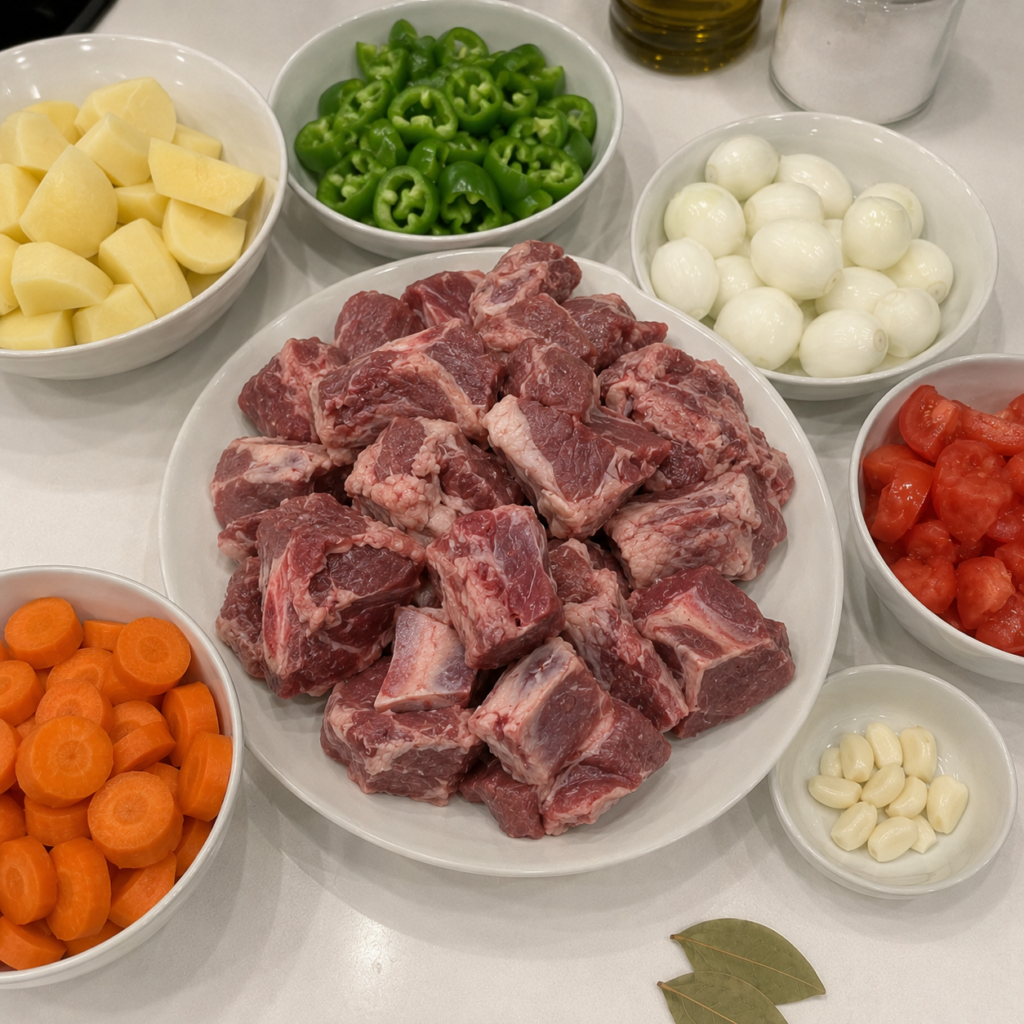
- 1.5 kg lamb shoulder or lamb leg, bone-in preferred
- 2 tablespoons butter
- 2 tablespoons olive oil
- 10–12 pearl onions or small onions
- 3 potatoes, peeled and chunked
- 2 carrots, cut into large pieces
- 2 green peppers, sliced
- 2 tomatoes, chopped
- 5 garlic cloves
- 2 bay leaves
- 1 teaspoon black pepper
- 1 teaspoon paprika
- Salt, to taste
- 2 cups hot water or lamb stock
For Garnish
- Fresh parsley
- Fresh thyme
For Serving
- Rice pilaf
- Rustic bread
- Shepherd’s salad
- Pickled vegetables
Instructions
1. Prepare the Lamb
Pat the lamb dry using paper towels.
Dry meat browns more effectively and develops deeper flavor during cooking.
Traditional Kuzu Kapama often uses bone-in cuts because bones release collagen and richness into the sauce during slow cooking.
Season the lamb lightly with salt and black pepper.
Allow the meat to rest briefly while preparing the vegetables.
2. Prepare the Vegetables
Peel the potatoes and cut them into large chunks.
Cut carrots into thick pieces.
Slice the peppers and chop the tomatoes.
If using pearl onions, leave them whole after peeling.
The vegetables should remain fairly large because long cooking naturally softens them significantly.
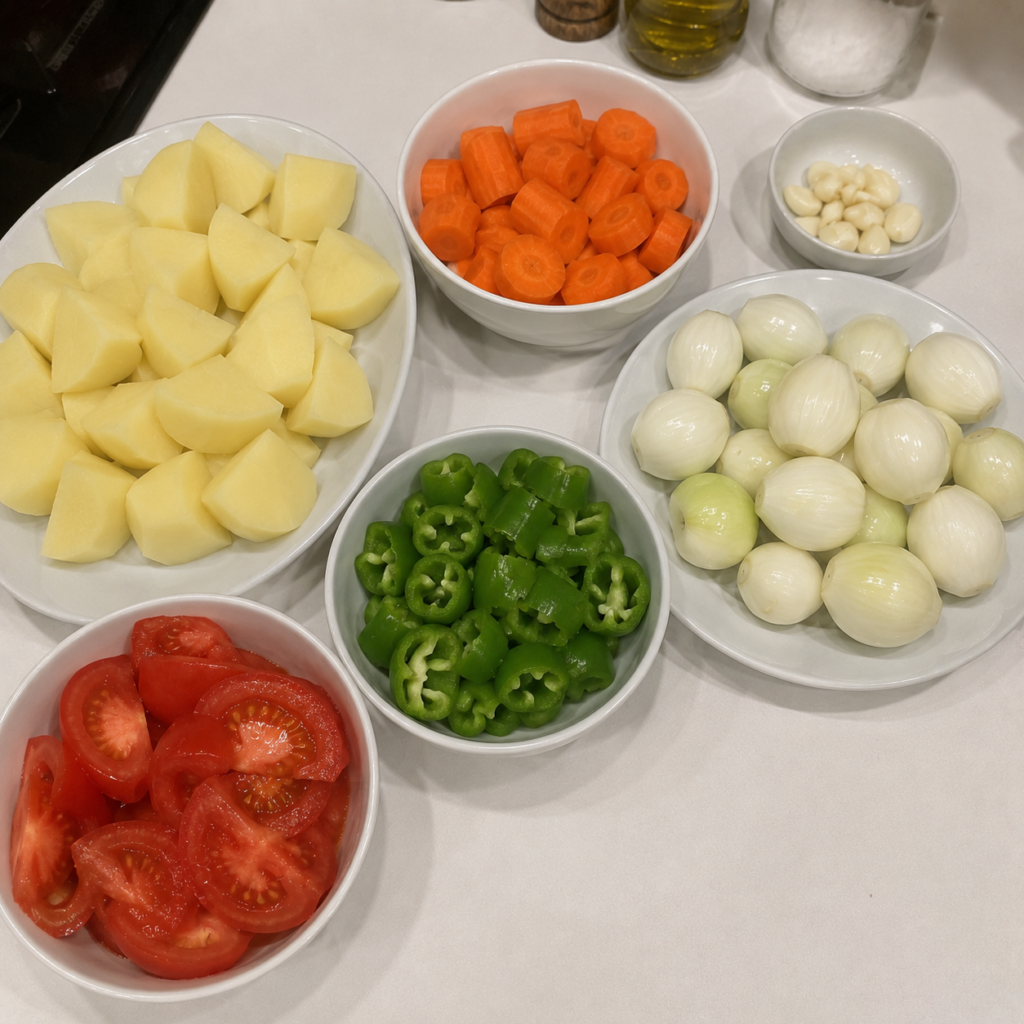
Traditional Turkish slow-cooked dishes often favor rustic cutting styles instead of perfectly uniform pieces.
3. Brown the Lamb
Heat butter and olive oil in a large heavy pot or Dutch oven.
Add the lamb pieces carefully.
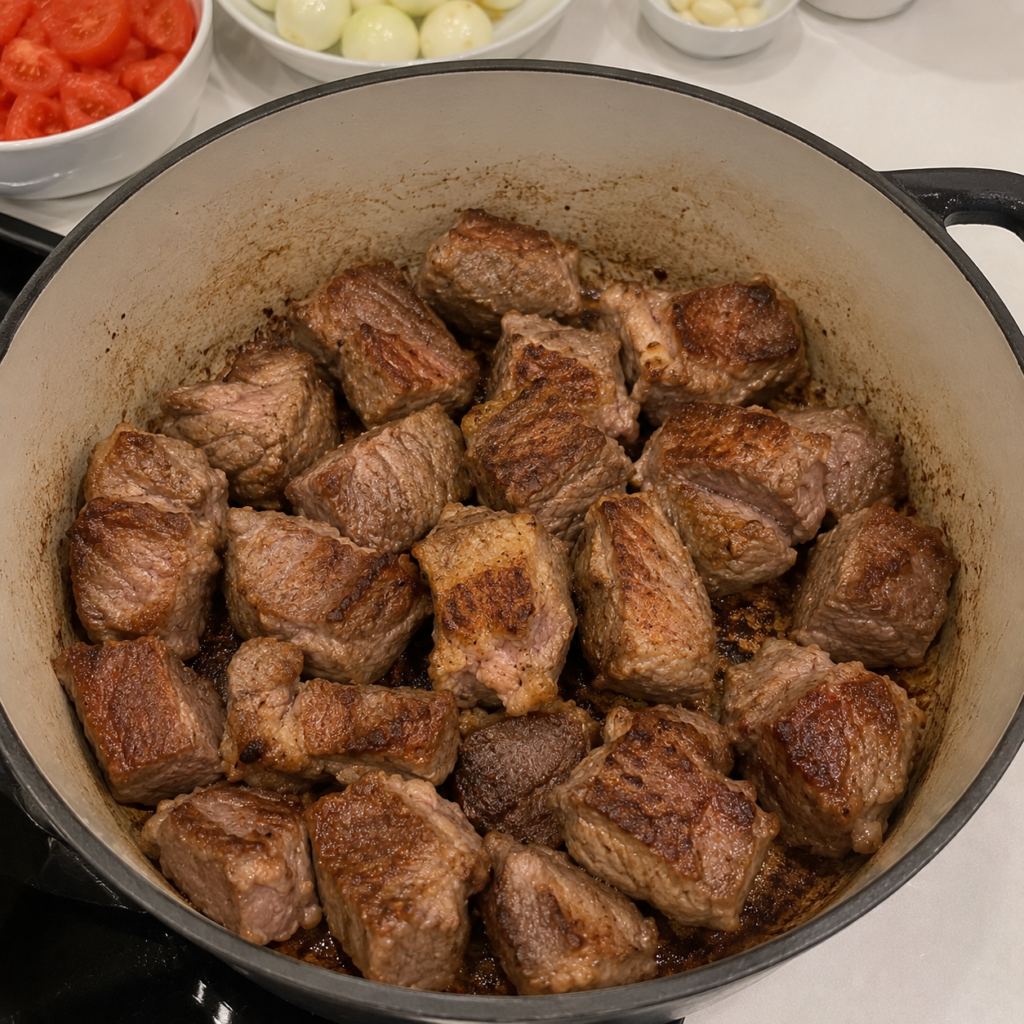
Cook over medium-high heat until browned on multiple sides.
Proper browning is extremely important because caramelization builds the flavor foundation of the dish.
The lamb should develop:
- Golden edges
- Deep aroma
- Rich color
- Slight crust
Remove temporarily and set aside.
The browned bits left at the bottom of the pot contain concentrated flavor.
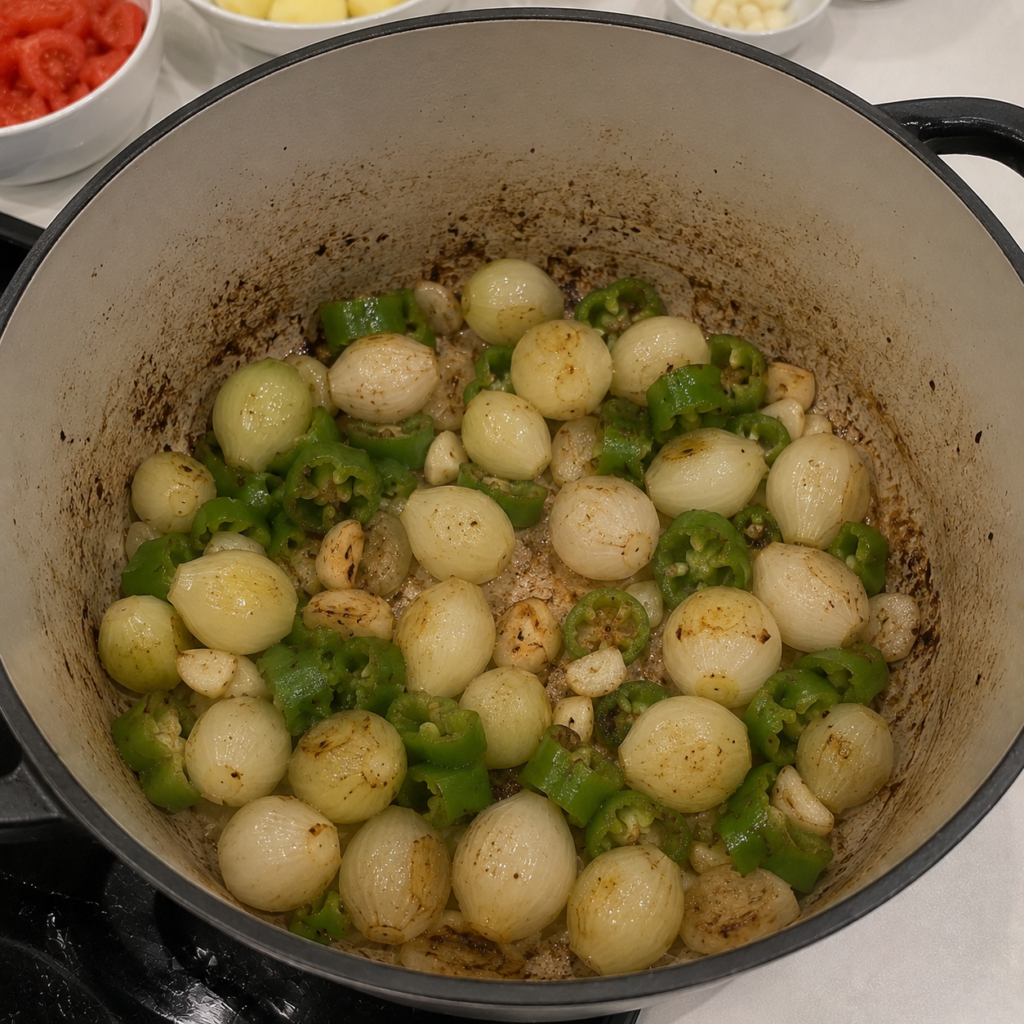
4. Cook the Aromatics
Add onions to the same pot.
Cook slowly until softened and lightly golden.
Add garlic and peppers.
Cook briefly until fragrant.
The onions naturally sweeten during cooking and balance the richness of the lamb.
Traditional Turkish lamb dishes frequently rely on onion sweetness rather than aggressive spice blends.
5. Build the Dish
Return the lamb to the pot.
Add potatoes, carrots, tomatoes, bay leaves, paprika, salt, and black pepper.
Pour in hot water or lamb stock.
The liquid should partially cover the ingredients rather than fully submerge them.
Kuzu Kapama is designed to slowly braise and steam simultaneously.
As the dish cooks, the vegetables release additional moisture and flavor.
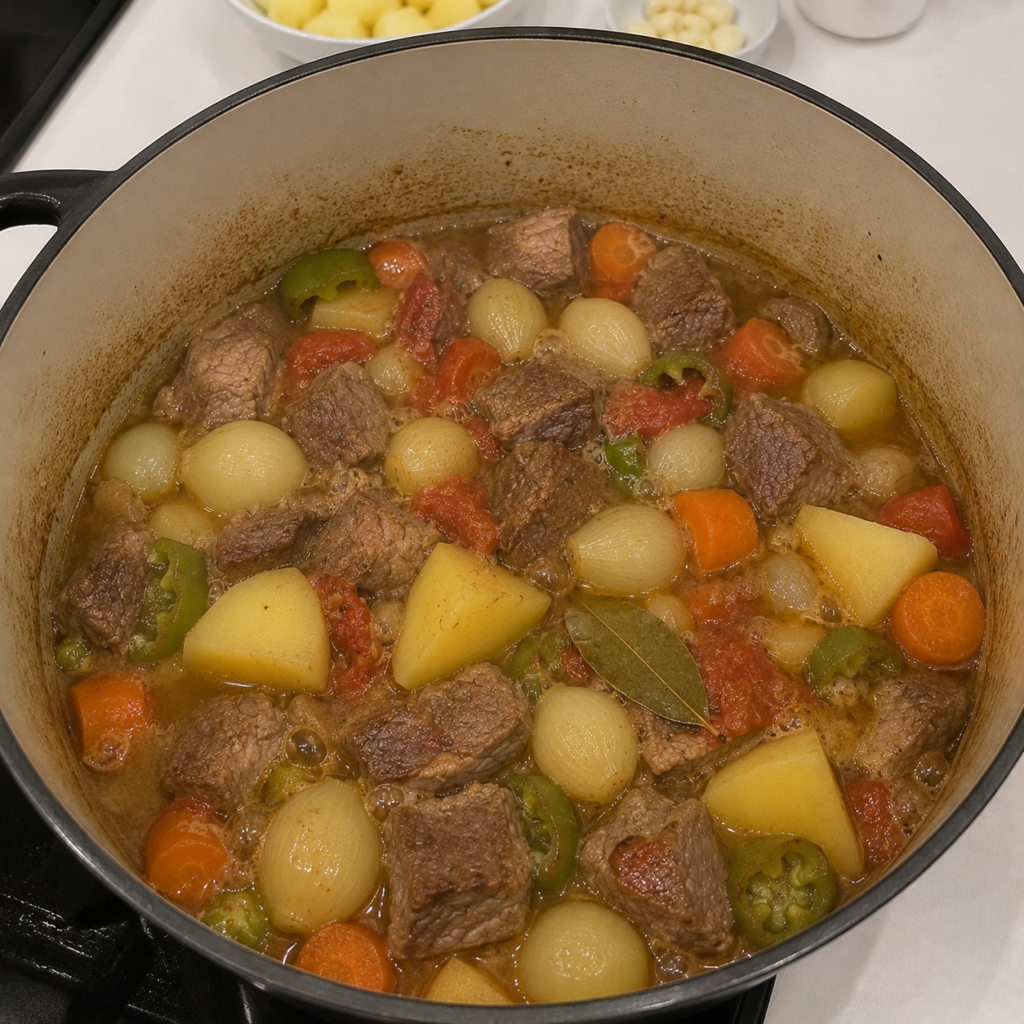
6. Simmer Slowly
Cover the pot tightly.
Reduce heat to low.
Cook gently for approximately 2 to 2½ hours.
Long slow cooking is essential because it allows:
- Lamb fibers to relax
- Fat to render
- Vegetables to soften
- Sauce to deepen
- Flavors to merge naturally
The meat should eventually become tender enough to separate easily with a fork.
Avoid aggressive boiling.
Gentle simmering creates much softer texture.
7. Adjust the Sauce
During the final stage of cooking, check the consistency of the liquid.
If the sauce feels too thin, simmer uncovered briefly.
If too thick, add a small amount of hot water.
Proper Kuzu Kapama sauce should feel:
- Rich
- Lightly silky
- Savory
- Natural
- Spoon-coating
The sauce should enhance the lamb without overwhelming it.
8. Rest Before Serving
Allow the dish to rest for 10–15 minutes before serving.
Resting helps the juices settle and slightly thickens the sauce naturally.
Many traditional Turkish stews improve noticeably after resting.
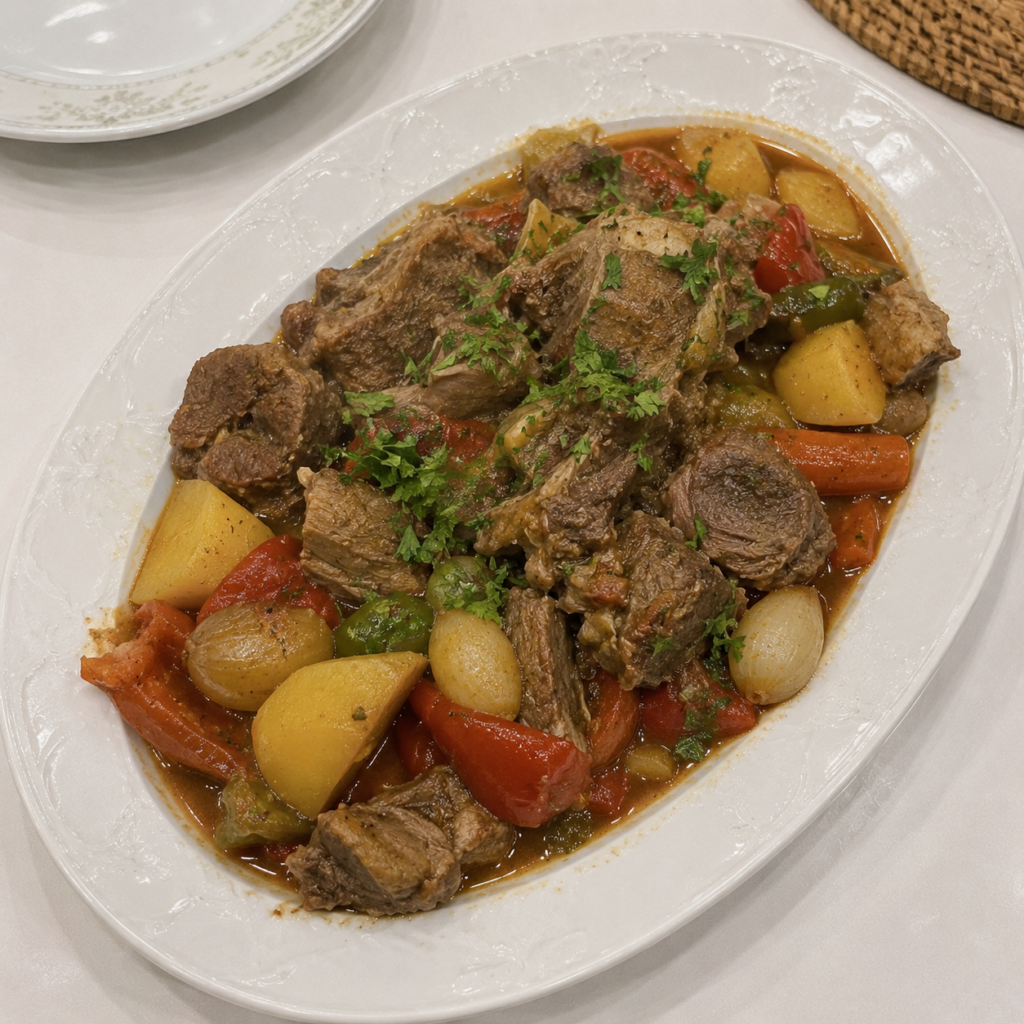
9. Serve the Kuzu Kapama
Arrange the lamb and vegetables onto a serving platter or serve directly from the pot.
Garnish with fresh parsley or thyme.
Serve hot with rice pilaf or warm rustic bread.
The vegetables should feel soft and infused with lamb flavor while the meat remains juicy and tender.
What Makes Kuzu Kapama So Special?
Kuzu Kapama stands out because of simplicity and patience.
The dish does not depend on strong spices or complicated preparation.
Instead, it succeeds through:
- Slow cooking
- Lamb richness
- Vegetable sweetness
- Moisture retention
- Natural flavor concentration
The cooking method allows every ingredient to absorb flavor from the others.
The vegetables become deeply savory while the lamb becomes exceptionally tender.
Another defining feature is texture.
Proper Kuzu Kapama should have:
- Fall-apart lamb
- Soft vegetables
- Rich but light sauce
- Deep savory aroma
- Gentle sweetness
The Origins of Kuzu Kapama
Kuzu Kapama has roots in Ottoman and Anatolian cooking traditions where slow braising methods were widely used for both practicality and flavor development.
The technique of enclosing ingredients together inside covered pots helped preserve moisture and maximize flavor using relatively simple ingredients.
Over time, the dish became a beloved staple of Turkish family cooking.
Today, Kuzu Kapama remains especially associated with traditional home-style meals and festive gatherings.
Choosing the Best Lamb
Lamb Shoulder
Rich marbling and excellent tenderness after slow cooking.
Lamb Leg
Leaner but still flavorful.
Bone-In Cuts
Provide deeper flavor and richer sauce.
Avoid Very Lean Meat
Fat is important for texture and richness.
Things to Consider
Brown the Lamb Properly
This step builds major flavor.
Cook Slowly
Rushing toughens the meat.
Keep Vegetables Large
They soften considerably during cooking.
Don’t Over-Spice
The lamb should remain the star.
Tips
Use Homemade Stock
Creates deeper flavor.
Let the Dish Rest
Flavor improves after resting briefly.
Fresh Herbs Add Brightness
Parsley and thyme work beautifully.
Use Heavy Pots
They distribute heat more evenly.
Serve with Bread
Perfect for soaking up sauce.
Traditional Side Dishes
Kuzu Kapama pairs beautifully with:
- Rice pilaf
- Shepherd’s salad
- Rustic bread
- Cacık
- Pickled vegetables
- Ayran
The lighter sides balance the richness of the lamb.
Why Slow-Cooked Lamb Dishes Are Important in Turkish Cuisine
Lamb has long played a major role in Anatolian cooking traditions.
Traditional Turkish lamb dishes often emphasize:
- Gentle cooking
- Natural flavor
- Rich texture
- Balanced aromatics
- Moisture retention
Kuzu Kapama perfectly reflects this philosophy.
Rather than masking the meat with excessive seasoning, the dish allows the natural flavor of the lamb to fully develop over time.
Storage and Reheating
Refrigerator
Store for up to 4 days.
Freezing
Freezes well for several months.
Reheating
Reheat slowly over low heat.
Add a splash of hot water if necessary.
Final Thoughts
Kuzu Kapama is one of the great comfort dishes of Turkish cuisine — rustic, tender, deeply flavorful, and wonderfully satisfying.
Its slow-cooked lamb, softened vegetables, and rich natural sauce create the kind of meal that feels warm and timeless.
The dish proves that patience, proper technique, and quality ingredients can create extraordinary flavor without complexity.
Served with rice pilaf and warm bread, Kuzu Kapama becomes the type of traditional family meal that generations continue to return to for comfort and celebration.
It is Turkish slow cooking at its finest.
Afiyet olsun!