 By Fatih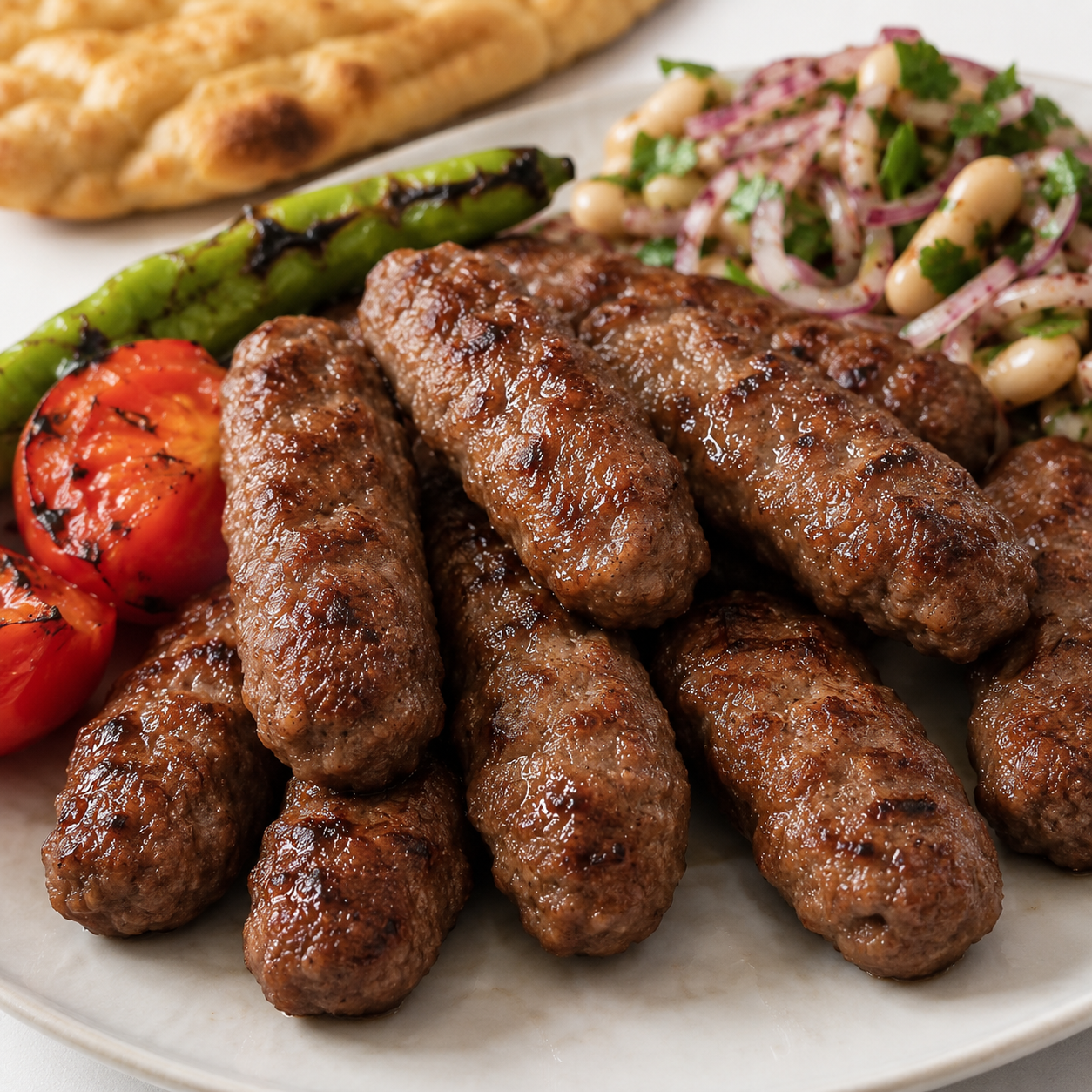
İnegöl Köfte is one of the most iconic meatball dishes in Turkish cuisine — famous for its soft texture, mild seasoning, smoky aroma, and incredibly juicy interior.
Unlike many other Turkish köfte varieties that rely heavily on spices, İnegöl Köfte is intentionally simple.
The focus remains almost entirely on:
- Meat quality
- Proper kneading
- Fat balance
- Texture
- Charcoal grilling
Originating from the town of İnegöl in Bursa province, this famous meatball became one of Türkiye’s best-known regional specialties.
Its roots trace back to Balkan immigrants who settled in the region during the Ottoman era, bringing distinctive meat preparation techniques that eventually evolved into modern İnegöl Köfte.
One of the most unusual aspects of authentic İnegöl Köfte is the absence of strong spices.
Traditional recipes often contain little more than:
- Beef
- Lamb
- Onion
- Baking soda
- Salt
This simplicity allows the natural flavor of the meat to dominate.
The texture is equally important.
Proper İnegöl Köfte should feel:
- Soft but structured
- Juicy inside
- Slightly springy
- Lightly smoky
- Crisp at the edges
Traditionally cooked over charcoal, the meatballs develop gentle caramelization and subtle smokiness without becoming heavily charred.
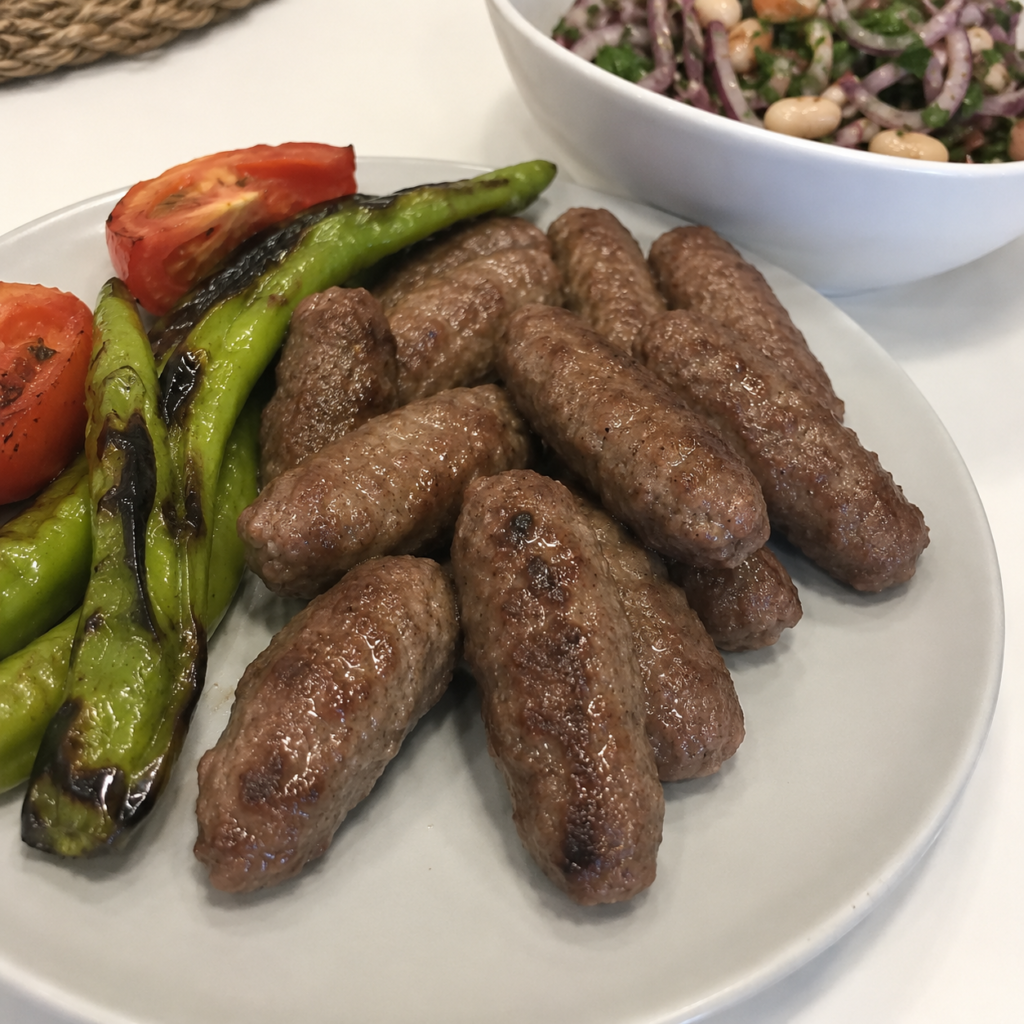
Served with grilled peppers, tomatoes, piyaz salad, and warm bread, İnegöl Köfte represents Turkish grill culture in one of its purest forms.
This home-style version captures the authentic flavor and texture of traditional İnegöl Köfte while remaining practical for everyday cooking.
- Servings: 4–6
- Prep Time: 30 minutes
- Rest Time: Overnight preferred
- Cook Time: 15 minutes
- Total Time: About 1 day
Ingredients
For the Köfte
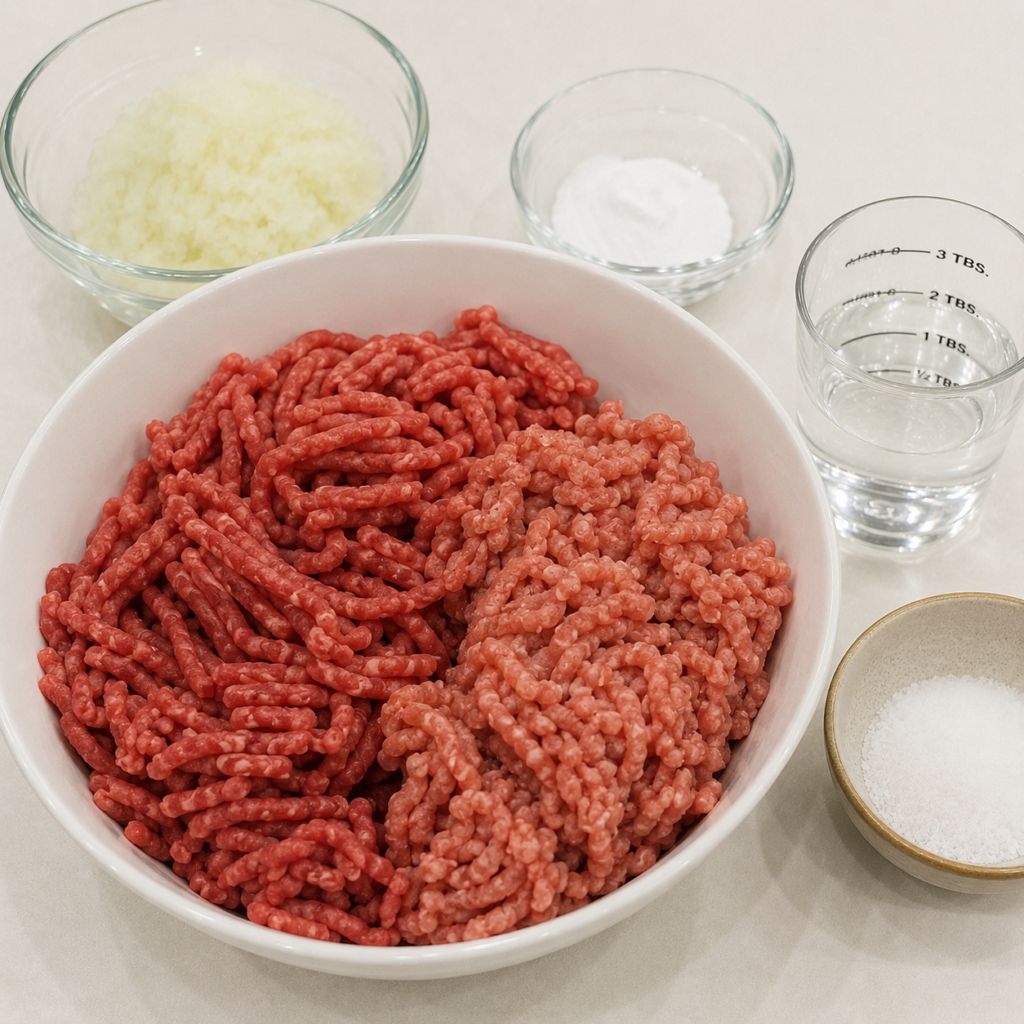
- 700 g ground beef
- 300 g ground lamb
- 1 medium onion, grated
- 1 teaspoon baking soda
- 1 tablespoon water
- 1½ teaspoons salt
For Serving
- Grilled green peppers
- Grilled tomatoes
- Warm pita or rustic bread
- Piyaz salad
- Fresh parsley
Instructions
1. Prepare the Meat Mixture
Place the ground beef and lamb into a large mixing bowl.
Traditional İnegöl Köfte uses a mixture of meats because lamb adds richness while beef provides structure.
Grate the onion very finely.
Squeeze out excess liquid using your hands or a clean cloth.
Only a small amount of onion moisture should remain.
Add the onion to the meat.
Mix baking soda with water until dissolved.
Pour into the meat mixture along with the salt.
The baking soda helps create the characteristic soft and springy texture associated with authentic İnegöl Köfte.
Knead the mixture thoroughly for several minutes.
Proper kneading is one of the most important parts of Turkish köfte preparation because it develops texture and helps the proteins bind naturally.
The mixture should become smooth, sticky, and cohesive.
2. Rest the Mixture
Cover the bowl tightly and refrigerate.
Traditional recipes often rest the meat overnight.
This resting period allows:
- Better flavor development
- Improved texture
- Protein relaxation
- Better moisture retention
The texture becomes noticeably softer after resting.
3. Shape the Köfte
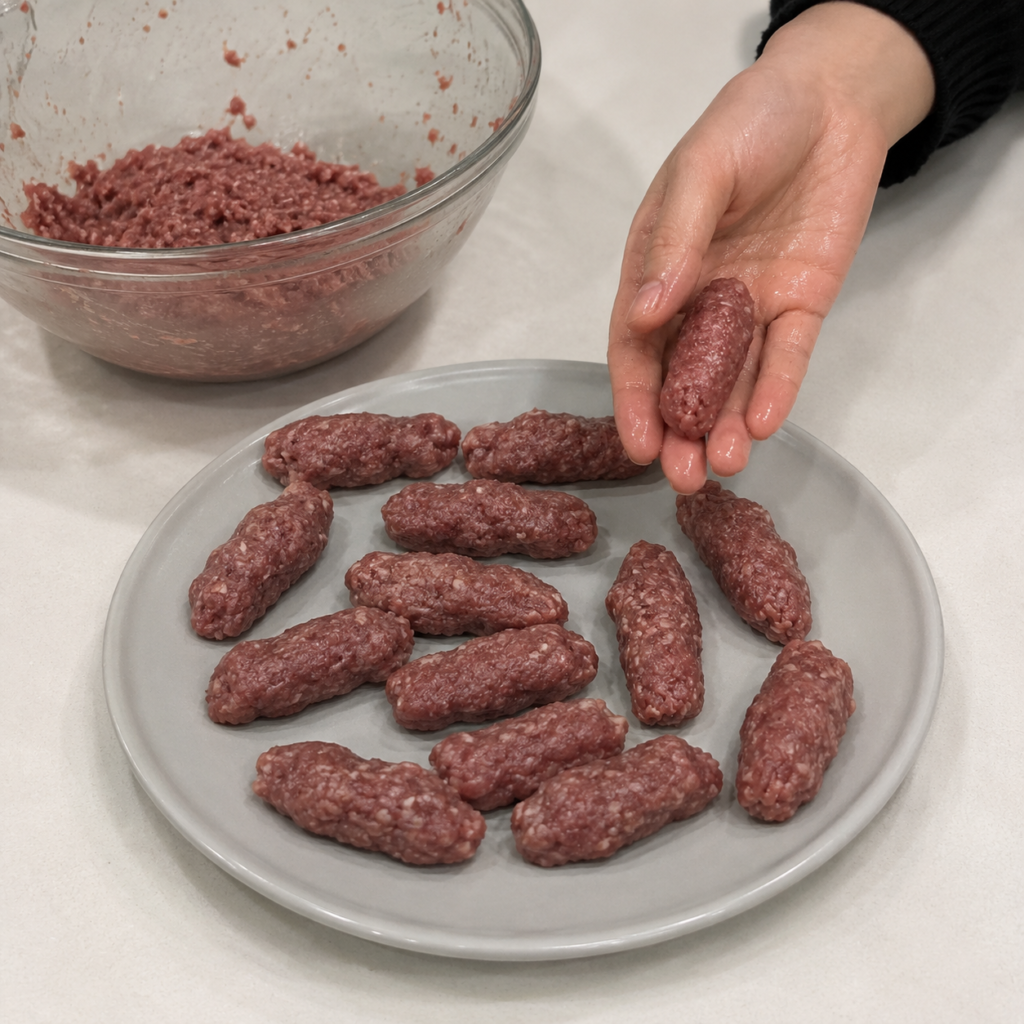
Take portions of the mixture and shape into short cylindrical meatballs.
İnegöl Köfte has a very recognizable shape.
The meatballs are usually:
- Slightly thick
- Oval or cylindrical
- Smooth on the surface
- Hand-shaped rather than perfectly uniform
Avoid compressing the meat too firmly.
Gentle shaping helps preserve tenderness.
Place shaped köfte onto a tray before grilling.
4. Prepare the Grill
Authentic İnegöl Köfte is traditionally grilled over charcoal.
Allow the coals to become very hot before cooking.
The heat should remain stable and moderately intense.
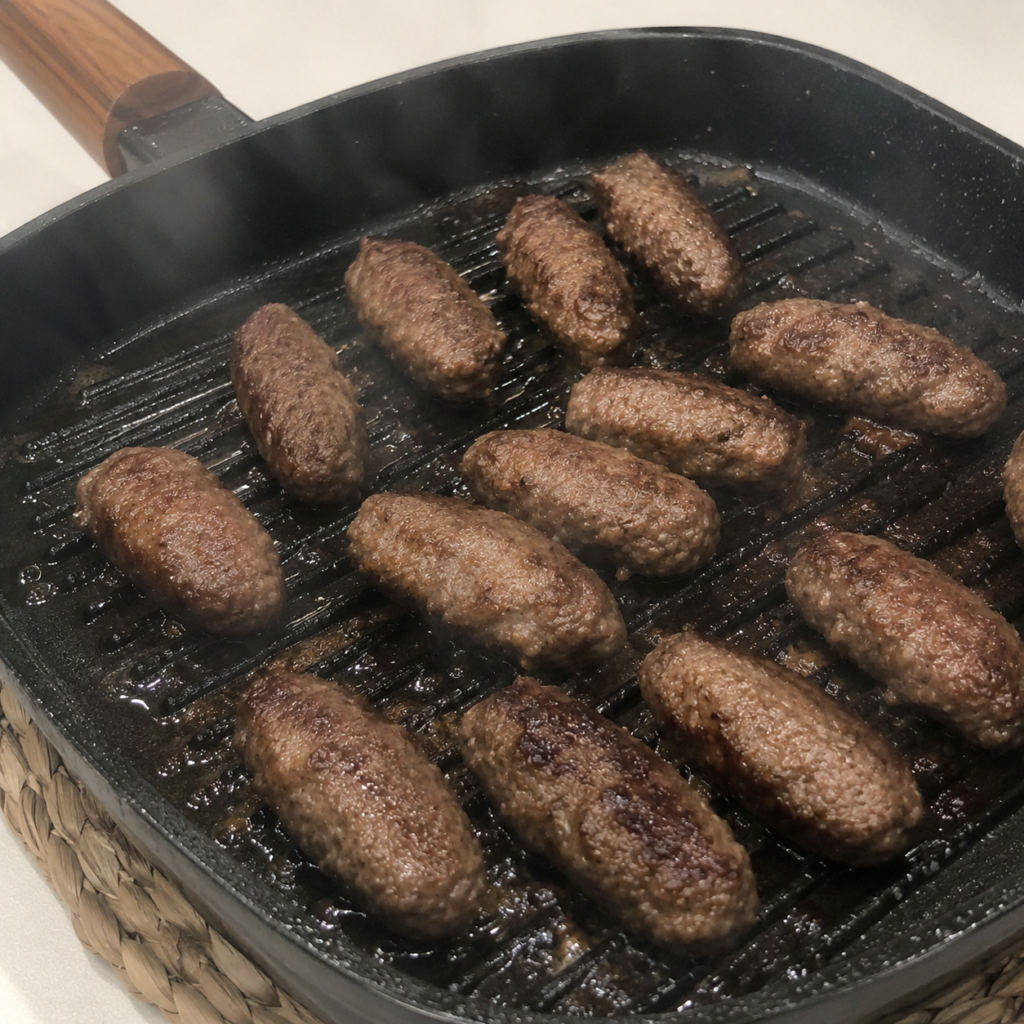
If using a grill pan or cast iron skillet, preheat thoroughly.
The goal is gentle caramelization rather than aggressive charring.
Traditional İnegöl Köfte develops:
- Brown exterior
- Light grill marks
- Smoky aroma
- Juicy interior
5. Grill the Köfte
Place the meatballs over the hot grill.
Cook while turning regularly.
Because İnegöl Köfte contains moderate fat, it remains juicy during cooking.
The outside should become lightly crisp and browned while the inside stays moist and tender.
Avoid pressing the meatballs while cooking.
Pressing forces juices out and reduces tenderness.
The aroma of charcoal and rendered fat is one of the defining features of authentic Turkish grill culture.
6. Grill the Vegetables
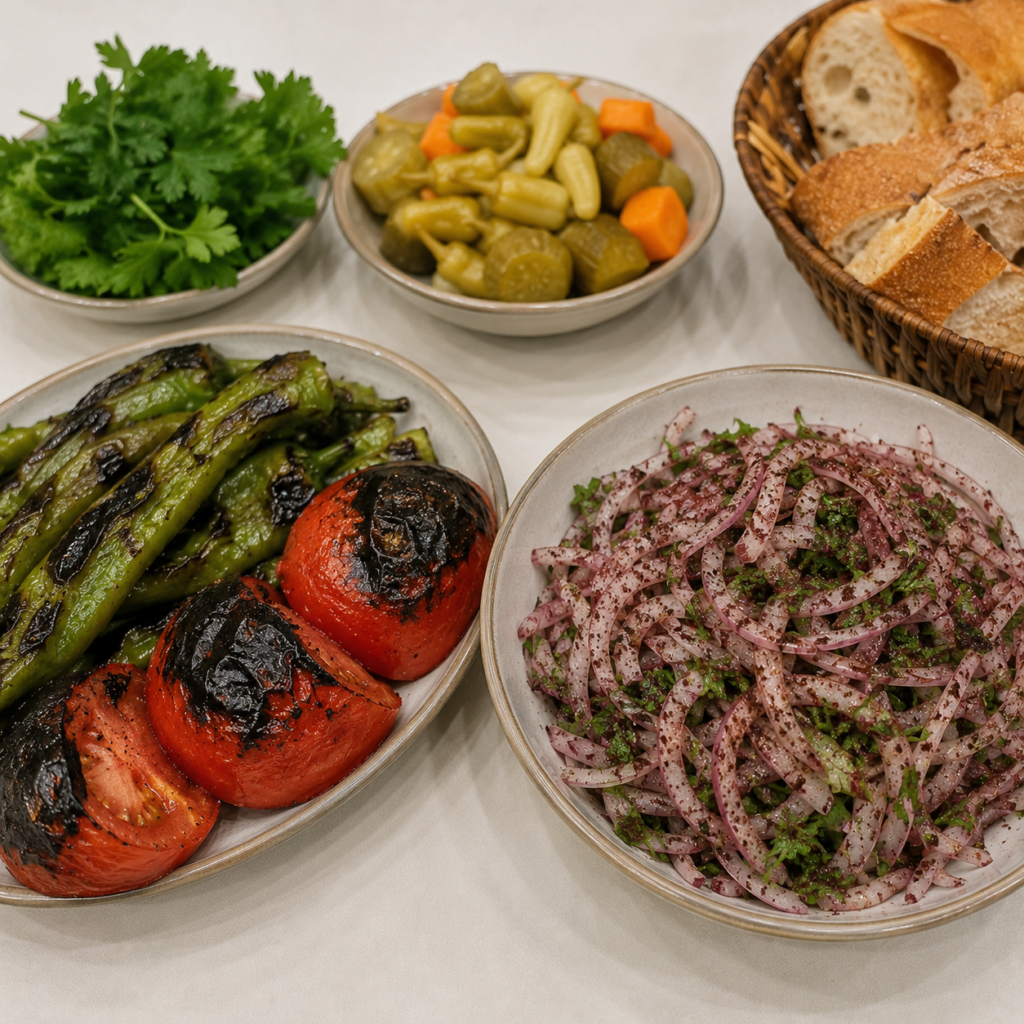
While the köfte cooks, grill tomatoes and green peppers until softened and lightly blistered.
These vegetables provide freshness and sweetness that balance the richness of the meat.
Many traditional Turkish grill houses serve grilled peppers directly beside İnegöl Köfte.
7. Serve the İnegöl Köfte
Arrange the hot köfte alongside grilled vegetables, warm bread, parsley, and piyaz salad.
Serve immediately while hot.
Traditional presentations are intentionally simple because the meat itself remains the focus of the meal.
What Makes İnegöl Köfte So Special?
İnegöl Köfte stands out because of restraint and simplicity.
Many meatball recipes rely heavily on spices and herbs.
İnegöl Köfte does the opposite.
The dish focuses almost entirely on:
- Meat texture
- Juiciness
- Charcoal aroma
- Fat balance
- Proper kneading
This simplicity allows the natural flavor of the meat to remain dominant.
Another defining feature is texture.
Proper İnegöl Köfte should feel:
- Tender
- Juicy
- Soft
- Slightly elastic
- Light but satisfying
The baking soda and resting process help create this signature structure.
The Origins of İnegöl Köfte
İnegöl Köfte originated in the town of İnegöl in Bursa province.
The dish became especially associated with Balkan immigrants who settled in the area during the Ottoman period.
These immigrant communities brought meat preparation techniques that evolved into the modern version known today.
Over time, İnegöl Köfte became one of Türkiye’s most recognizable regional dishes.
Today, restaurants specializing in İnegöl Köfte can be found throughout the country.
Choosing the Best Meat
Beef Provides Structure
Ground beef helps maintain shape and texture.
Lamb Adds Richness
Lamb improves juiciness and flavor.
Moderate Fat Is Essential
Overly lean meat produces dry köfte.
Things to Consider
Kneading Matters
Texture depends heavily on proper mixing.
Rest Overnight If Possible
Long resting improves softness dramatically.
Don’t Overspice
Traditional İnegöl Köfte is intentionally mild.
Charcoal Gives Best Flavor
Smoke is part of the authentic experience.
Tips
Wet Hands Help During Shaping
Prevents sticking.
Don’t Make Them Too Thin
Slight thickness helps retain moisture.
Avoid Overcooking
Dry meat loses the signature tenderness.
Use Freshly Ground Meat
Fresh meat creates better texture.
Turn Frequently While Grilling
Promotes even browning.
Traditional Side Dishes
İnegöl Köfte pairs beautifully with:
- Piyaz salad
- Grilled peppers
- Roasted tomatoes
- Ayran
- Rustic bread
- Pickled vegetables
These sides balance the richness of the meat while preserving the dish’s rustic simplicity.
Why Turkish Köfte Culture Is So Diverse
Türkiye has dozens of regional köfte styles.
Each developed according to:
- Local livestock
- Migration history
- Regional spice preferences
- Bread traditions
- Grilling culture
Some regions emphasize spices and herbs.
Others, like İnegöl Köfte, focus almost entirely on meat texture and grilling technique.
This diversity is one reason Turkish cuisine contains such a rich variety of meatball dishes.
Storage and Reheating
Refrigerator
Store cooked köfte for up to 3 days.
Reheating
Reheat gently in a skillet or oven.
Avoid Microwaving Too Long
Overheating can dry the meat.
Final Thoughts
İnegöl Köfte is one of the purest examples of Turkish grill culture — simple, juicy, smoky, and deeply satisfying.
Its success comes not from complicated ingredients but from proper technique, quality meat, and balance.
The combination of tender meatballs, charcoal aroma, grilled vegetables, and warm bread creates a timeless meal that feels both rustic and comforting.
Served fresh off the grill with piyaz and peppers, İnegöl Köfte becomes the kind of dish that proves how extraordinary simple food can be when prepared correctly.
It is Turkish köfte culture at its finest.
Afiyet olsun!