
 By Fatih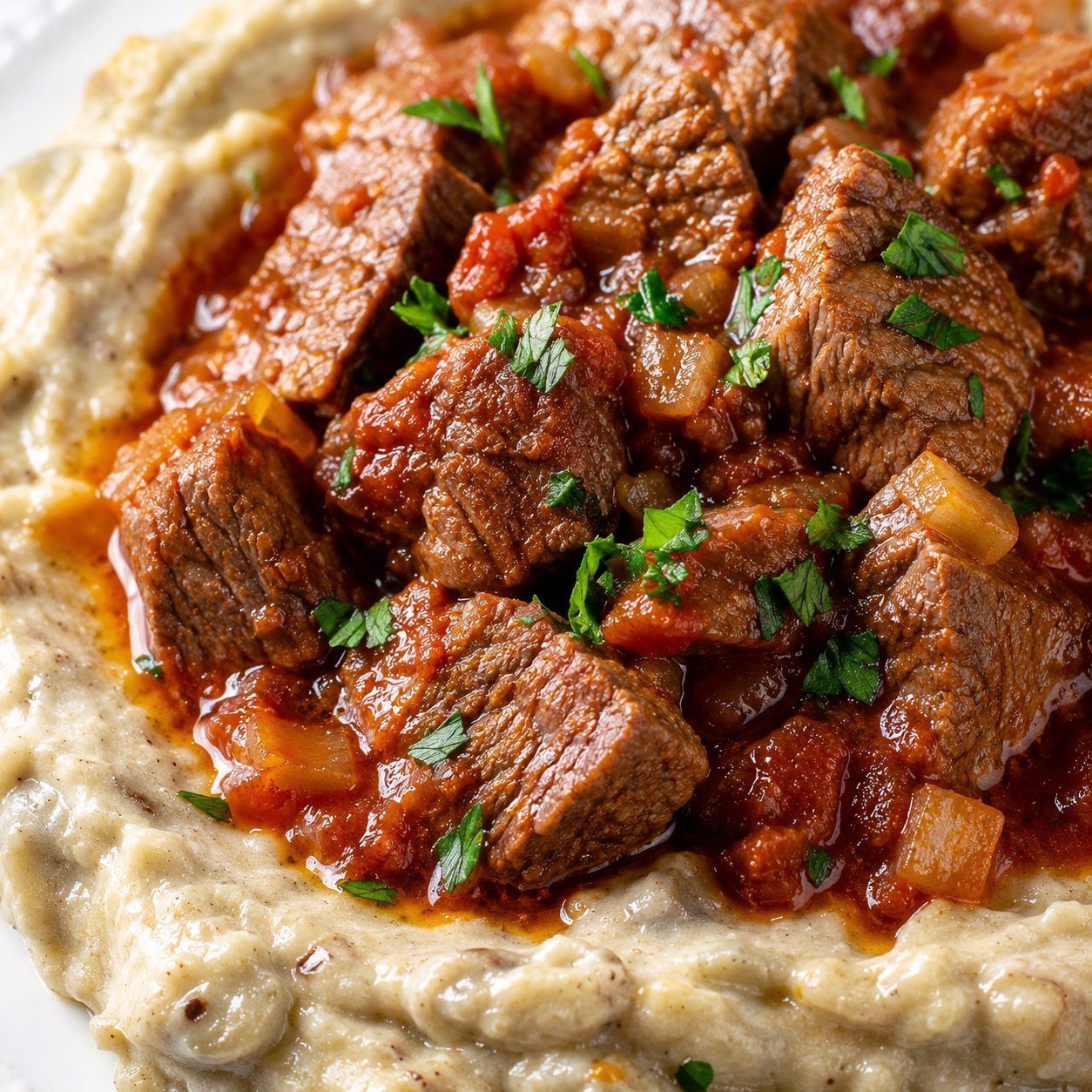
Hünkar Beğendi is one of the grand classics of Ottoman palace cuisine — a luxurious dish of tender slow-cooked lamb served over a silky smoky eggplant purée enriched with butter, milk, and cheese.
Its name translates roughly to “The Sultan Liked It” or “The Sultan Approved,” and according to culinary legend, the dish was created for an Ottoman sultan who became deeply impressed after tasting it for the first time.
Elegant, rich, and deeply comforting, Hünkar Beğendi perfectly represents the sophistication of Ottoman cooking traditions.
What makes the dish extraordinary is the contrast between its two main components:
- A rich tomato-based lamb stew
- A creamy smoky eggplant base
Separately, both are delicious.
Together, they become one of the most iconic dishes in Turkish cuisine.
The lamb is cooked slowly until tender in a savory sauce flavored with onions, tomatoes, and gentle spices.
The eggplant purée — known as beğendi — is the true star.
Charred eggplants are peeled and transformed into a velvety béchamel-like mash with butter, milk, and cheese.
The smoky aroma from the roasted eggplants gives the dish its unmistakable identity.
Although modern restaurant versions sometimes use beef, authentic Hünkar Beğendi traditionally relies on lamb because Ottoman palace cuisine valued lamb heavily for its richness and tenderness.
The dish feels luxurious without becoming overwhelming.
The smoky eggplant lightens the richness of the stew while adding incredible depth and texture.
Served hot with rice or fresh bread, Hünkar Beğendi remains one of the most beloved examples of classical Turkish comfort food.
- Servings: 4–6
- Prep Time: 30 minutes
- Cook Time: 1 hour 30 minutes
- Total Time: About 2 hours
Ingredients
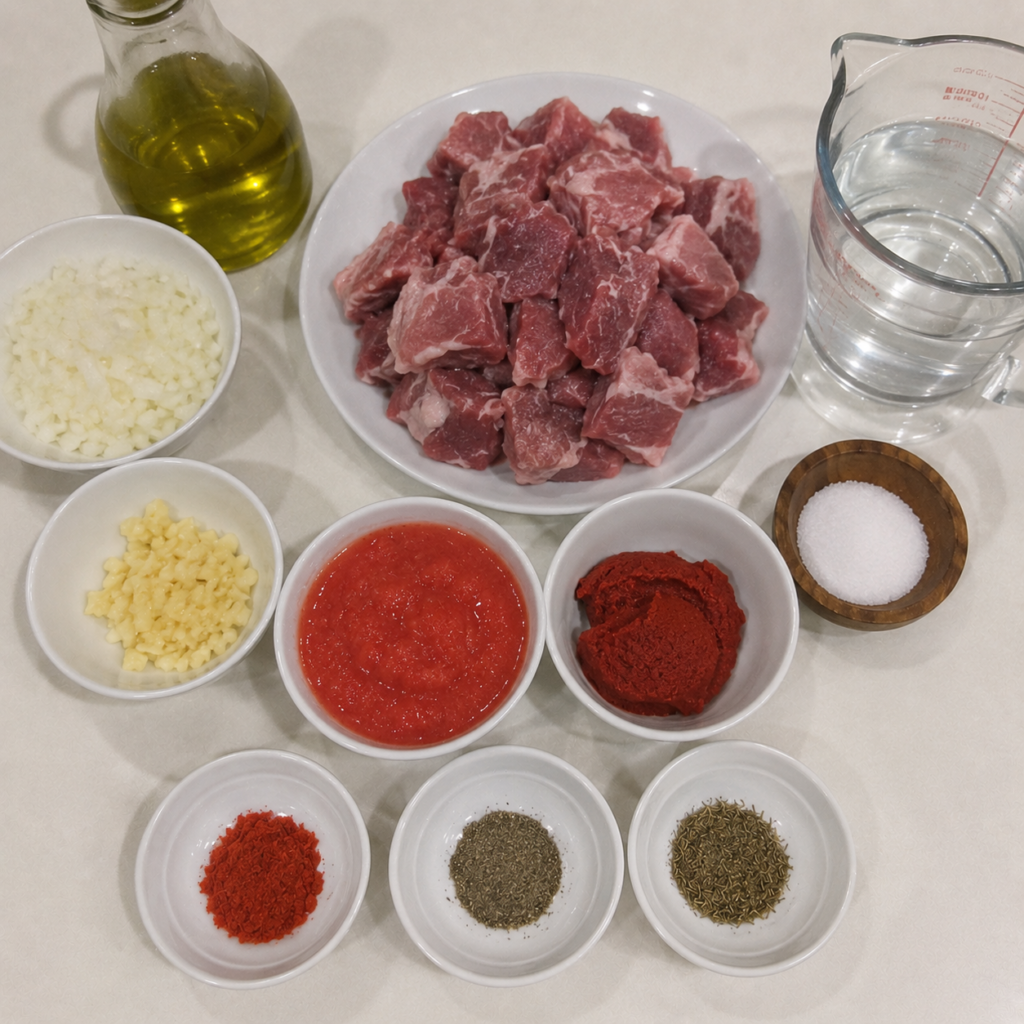
For the Lamb Stew
- 700 g lamb shoulder or lamb stew meat, cubed
- 2 tablespoons olive oil
- 1 onion, finely chopped
- 3 garlic cloves, minced
- 2 tomatoes, grated
- 1 tablespoon tomato paste
- 1 teaspoon paprika
- 1 teaspoon black pepper
- 1 teaspoon thyme
- Salt, to taste
- 2 cups hot water
For the Eggplant Purée (Beğendi)
- 4 large eggplants
- 2 tablespoons butter
- 2 tablespoons flour
- 1½ cups milk
- ½ cup grated kaşar cheese or mozzarella
- Salt and black pepper
For Garnish
- Fresh parsley
- Butter drizzle (optional)
Instructions
1. Roast the Eggplants
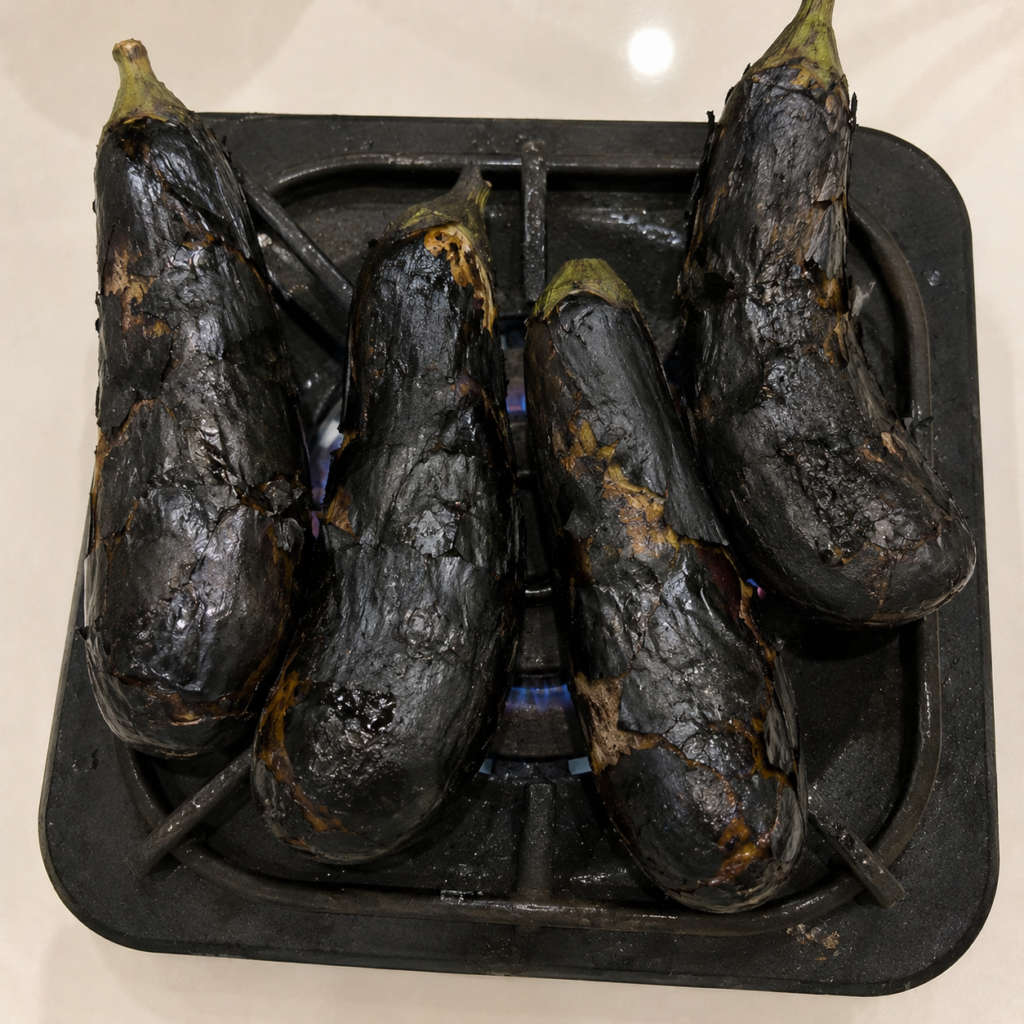
Traditionally, the eggplants are roasted directly over open flame.
This step is essential because the smoky flavor defines authentic Hünkar Beğendi.
Place the eggplants directly over a gas flame, charcoal grill, or under a very hot broiler.
Turn regularly until the skins become blackened and collapsed.
The interiors should become completely soft.
Transfer the roasted eggplants into a bowl and cover briefly.
This helps loosen the skins.
Peel carefully while still warm.
Discard excess liquid if necessary.
Finely chop or mash the flesh.
The eggplants should have a deep smoky aroma and silky texture.
Authentic Ottoman-style preparation depended heavily on flame-roasted eggplants rather than baked ones.
2. Prepare the Lamb
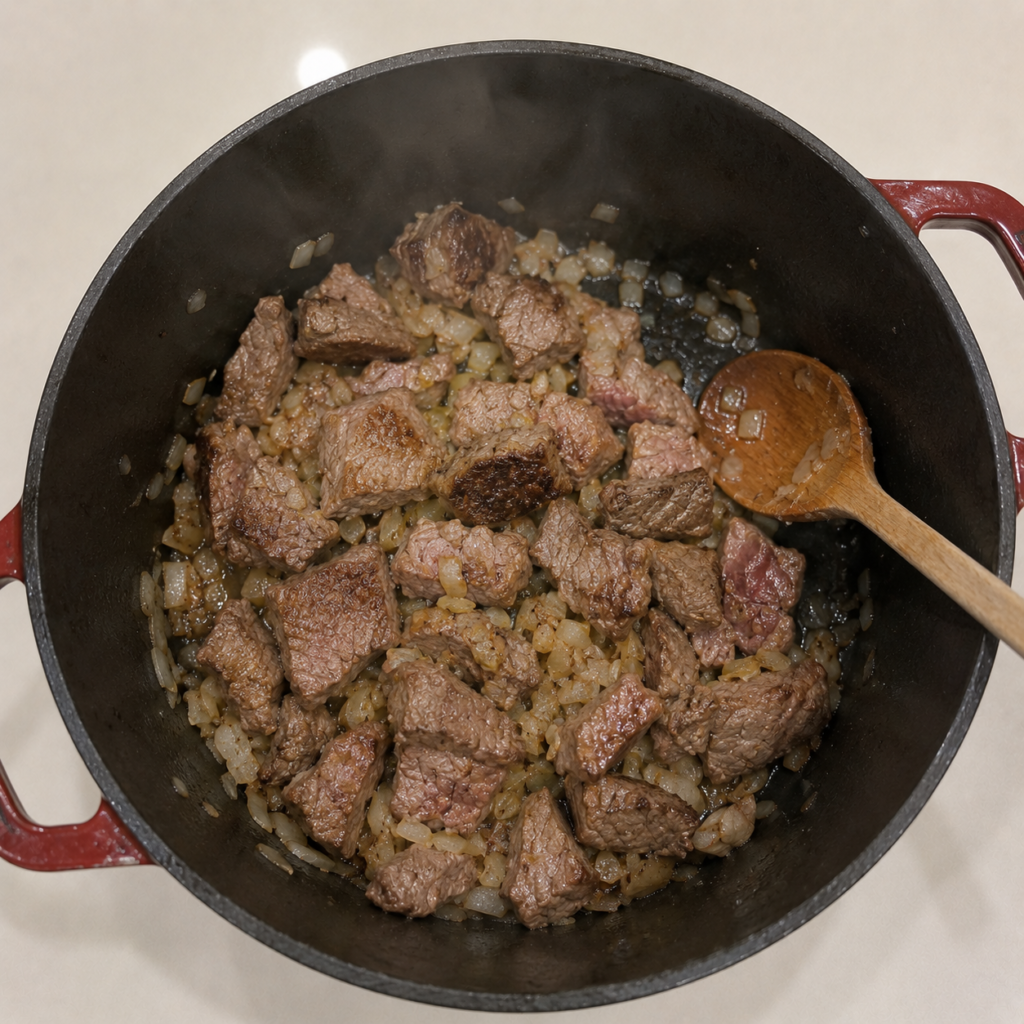
Heat olive oil in a heavy pot.
Add the lamb cubes and brown thoroughly on all sides.
Proper browning creates deeper flavor in the final stew.
Do not overcrowd the pot.
Cook in batches if necessary.
Once browned, add chopped onion and cook until softened.
Add garlic and stir briefly.
The aroma should become rich and savory.
3. Build the Stew
Add tomato paste and cook for about 1 minute.
Stir in grated tomatoes, paprika, black pepper, thyme, and salt.
Pour in hot water.
Bring to a gentle simmer.
Cover partially and cook slowly for about 60–75 minutes until the lamb becomes very tender.
The sauce should reduce naturally and become rich but not overly thick.
Properly cooked lamb should almost fall apart when pressed with a spoon.
The slow cooking process is one of the reasons Hünkar Beğendi develops such comforting depth.
4. Prepare the Beğendi Base
Melt butter in a large pan.
Add flour and cook gently for 1–2 minutes while stirring continuously.
Do not allow the flour to brown heavily.
Gradually pour in milk while whisking constantly.
Cook until smooth and slightly thickened.
This creates the creamy structure of the purée.
Traditional Ottoman cuisine often combined European-style béchamel techniques with Turkish ingredients and flavors.
5. Add the Eggplant
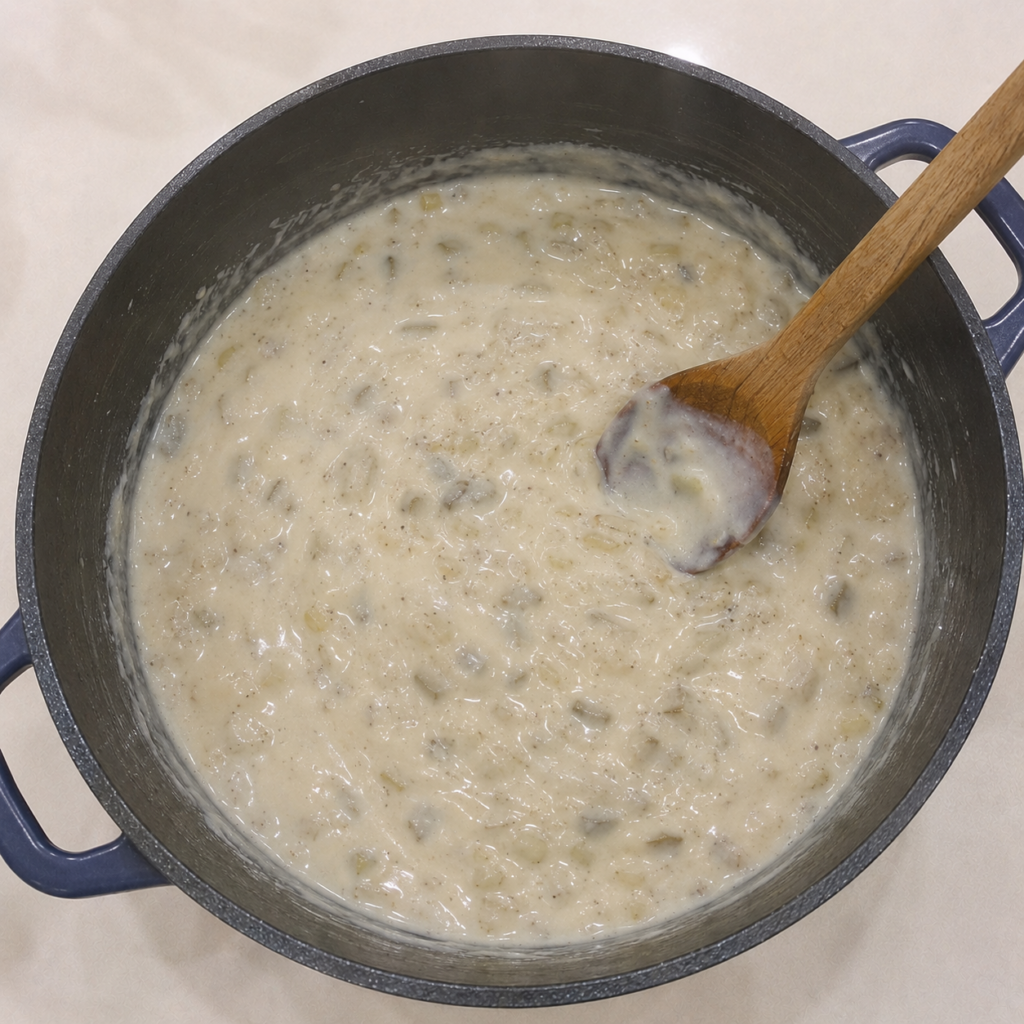
Stir the roasted eggplant flesh into the milk mixture.
Mix thoroughly until completely smooth.
Add grated cheese.
Season with salt and black pepper.
Continue stirring over low heat until silky and creamy.
The texture should resemble soft mashed potatoes but remain lighter and smoother.
The smoky aroma should remain noticeable throughout the purée.
6. Assemble the Dish
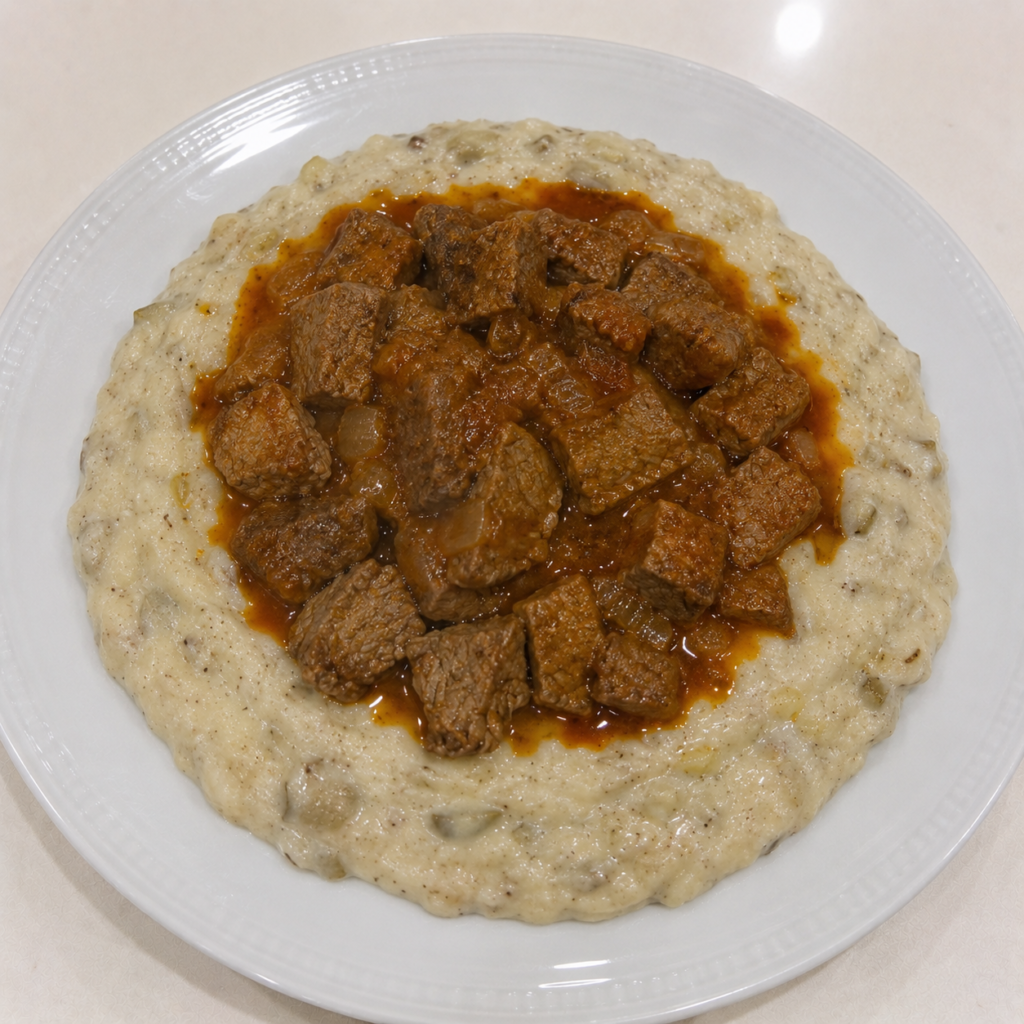
Spread the eggplant purée onto serving plates.
Create a shallow well in the center.
Spoon the hot lamb stew over the top.
The rich sauce should gently flow into the eggplant base without completely covering it.
This layered presentation is one of the defining characteristics of Hünkar Beğendi.
The creamy eggplant absorbs the lamb juices beautifully.
7. Garnish and Serve
Top with fresh parsley.
Some Turkish cooks also drizzle melted butter over the dish before serving.
Serve immediately while hot.
Hünkar Beğendi pairs beautifully with:
- Rice pilaf
- Lavash bread
- Shepherd’s salad
- Pickled vegetables
What Makes Hünkar Beğendi So Special?
Hünkar Beğendi succeeds because it balances richness and smokiness perfectly.
The lamb stew is deep, savory, and comforting.
The eggplant purée is silky, creamy, and aromatic.
Together, they create a layered flavor profile unlike almost any other Turkish dish.
The smoky eggplant is especially important.
Without proper roasting, the dish loses much of its character.
The flame-charred aroma transforms the creamy purée from simple mashed eggplant into something deeply luxurious.
Another reason the dish feels unique is its Ottoman influence.
Unlike rustic village stews, Hünkar Beğendi reflects palace-style refinement and careful layering of textures.
The final presentation feels elegant while remaining deeply comforting.
The Ottoman Origins of Hünkar Beğendi
According to culinary tradition, the dish became famous during the Ottoman period and was supposedly served to Sultan Abdülaziz.
Another story links the dish to Empress Eugénie of France during her visit to the Ottoman court in the 19th century.
Whether entirely historical or partly legendary, these stories helped establish the dish as a symbol of Ottoman culinary sophistication.
The recipe also reflects the fusion nature of Ottoman palace cooking:
- Turkish roasting traditions
- Mediterranean vegetables
- French-influenced sauce techniques
- Slow-cooked lamb stews
This blending of influences became one of the defining characteristics of imperial Ottoman cuisine.
Choosing the Best Lamb
Lamb Shoulder
The best option for slow cooking.
Excellent marbling and tenderness.
Lamb Leg
Lean but still flavorful.
Requires careful slow cooking.
Beef Alternative
Some modern restaurants use beef instead of lamb, though traditional versions favor lamb.
Things to Consider
Flame-Roasting Matters
Baked eggplants will not produce the same smoky depth.
Use Full-Fat Milk
The purée depends heavily on creamy texture.
Don’t Rush the Lamb
Slow cooking creates tenderness and deeper flavor.
Serve Immediately
The purée thickens as it cools.
Tips
Charcoal Improves Flavor
Charcoal-roasted eggplants create exceptional authenticity.
Strain Excess Eggplant Liquid
Too much moisture can thin the purée excessively.
Use Freshly Grated Cheese
Fresh cheese melts more smoothly.
Stir Constantly
The milk mixture can stick quickly.
Taste Frequently
Balancing smoke, salt, and creaminess is important.
Traditional Side Dishes
Hünkar Beğendi pairs especially well with:
- Rice pilaf
- Fresh flatbread
- Cacık
- Shepherd’s salad
- Roasted peppers
- Pickled vegetables
The freshness of these sides balances the richness of the lamb and butter.
Why Eggplant Is So Important in Turkish Cuisine
Eggplant is one of the defining vegetables of Turkish cooking.
Its ability to absorb smoke, olive oil, spices, and sauces makes it incredibly versatile.
In Ottoman cuisine especially, eggplant became central to many luxurious dishes because it could transform from rustic to refined depending on preparation.
Hünkar Beğendi represents perhaps the most elegant expression of this tradition.
Storage and Reheating
Refrigerator
Store stew and eggplant purée separately if possible.
Keeps for up to 3 days.
Reheating
Reheat gently over low heat.
Add a splash of milk if the purée thickens too much.
Freezing
The lamb stew freezes well.
The eggplant purée is best fresh.
Final Thoughts
Hünkar Beğendi is one of the crown jewels of Turkish cuisine — rich, smoky, creamy, and deeply comforting.
The combination of tender lamb stew and silky roasted eggplant purée creates extraordinary depth and elegance with relatively simple ingredients.
Its Ottoman palace origins give the dish an unmistakable sense of history and refinement, while its comforting flavors keep it approachable and beloved in Turkish homes today.
Served hot with rice, bread, and fresh herbs, Hünkar Beğendi becomes the kind of meal that feels both luxurious and deeply satisfying.
It is a perfect example of how Turkish cuisine transforms humble ingredients into something unforgettable.
Afiyet olsun!