 By Fatih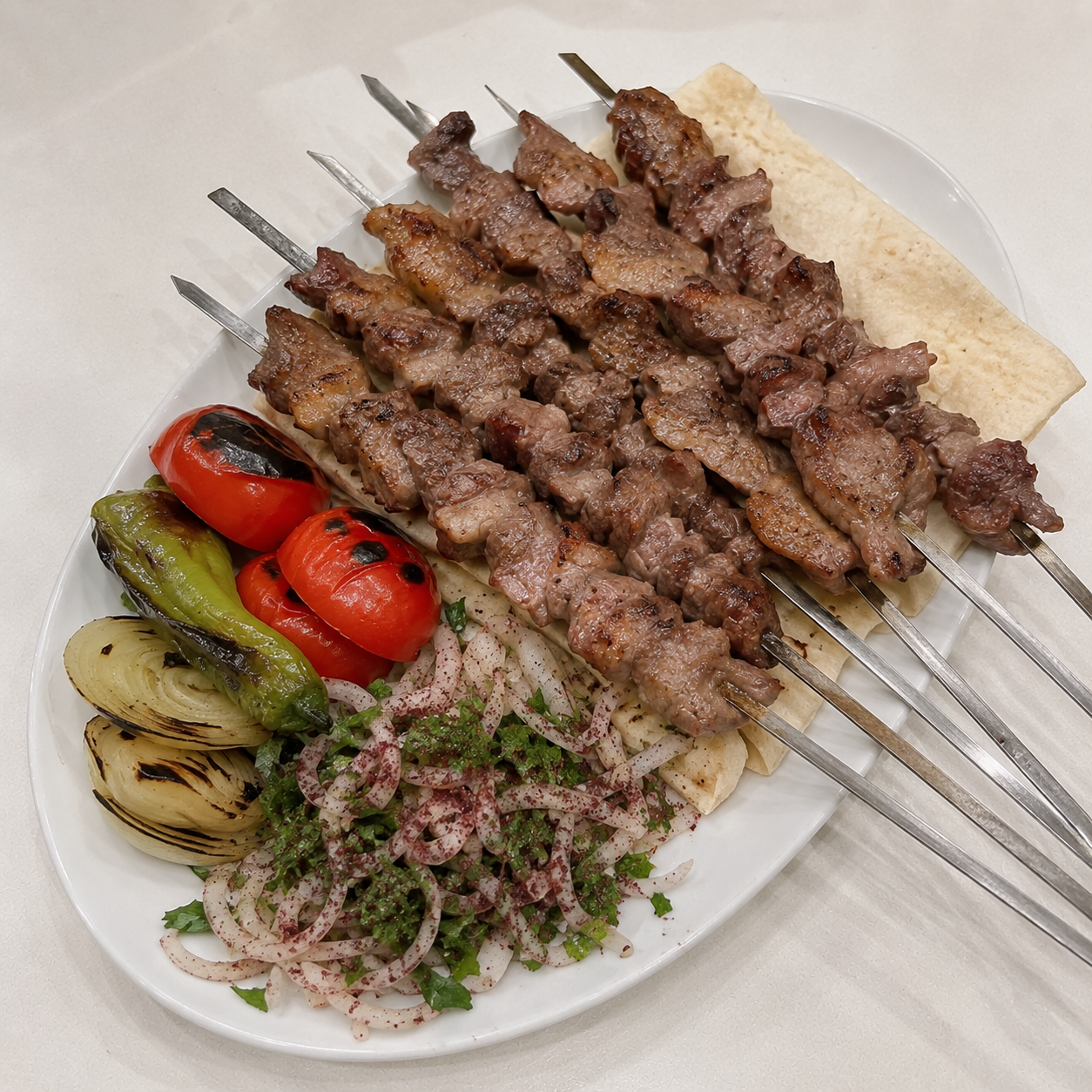
Oltu Cağ Kebabı is one of Türkiye’s most famous regional meat dishes and one of the purest examples of traditional Anatolian grilling culture. Originating from the Oltu district of Erzurum in Eastern Türkiye, this legendary kebab is made by layering marinated lamb meat onto a horizontal spit and slowly roasting it over wood fire until beautifully caramelized and smoky.
Unlike the vertical döner kebab most people know internationally, Cağ Kebabı is cooked horizontally.
This unique cooking method allows the fat to baste the meat continuously while creating a crisp outer crust and juicy interior.
The kebab is traditionally sliced directly from the spit in thin strips and served on small skewers called cağ. These skewers are then lightly grilled again before serving, creating even deeper flavor and texture.
Cağ Kebabı is considered one of the great treasures of Eastern Turkish cuisine and is deeply tied to Erzurum’s mountain culture, shepherding traditions, and lamb-focused food heritage.
What makes this kebab extraordinary is its simplicity.
There are no heavy sauces.
No complicated spice blends.
No yogurt marinades overflowing with ingredients.
Instead, the flavor depends almost entirely on:
- High-quality lamb
- Proper fat distribution
- Salt and spices
- Slow wood-fire cooking
- Patience
The result is smoky, juicy, rich, and intensely savory.
In traditional Erzurum kebab houses, customers often order one skewer at a time while the meat is freshly sliced directly from the rotating spit. The experience is highly social and interactive, with cooks constantly shaving meat and grilling fresh skewers over open flames.
Served with lavash bread, grilled onions, tomatoes, and fresh parsley, Cağ Kebabı becomes one of the most unforgettable meat dishes in Turkish cuisine.
Although authentic restaurant preparation requires specialized horizontal rotisserie equipment, home cooks can still recreate much of the flavor using ovens, grills, or skewers.
This recipe adapts the traditional method into a home-friendly version while preserving the essential spirit of authentic Oltu Cağ Kebabı.
- Servings: 4–6
- Prep Time: 30 minutes
- Marinating Time: Overnight
- Cook Time: 45–60 minutes
- Total Time: About 24 hours
Ingredients
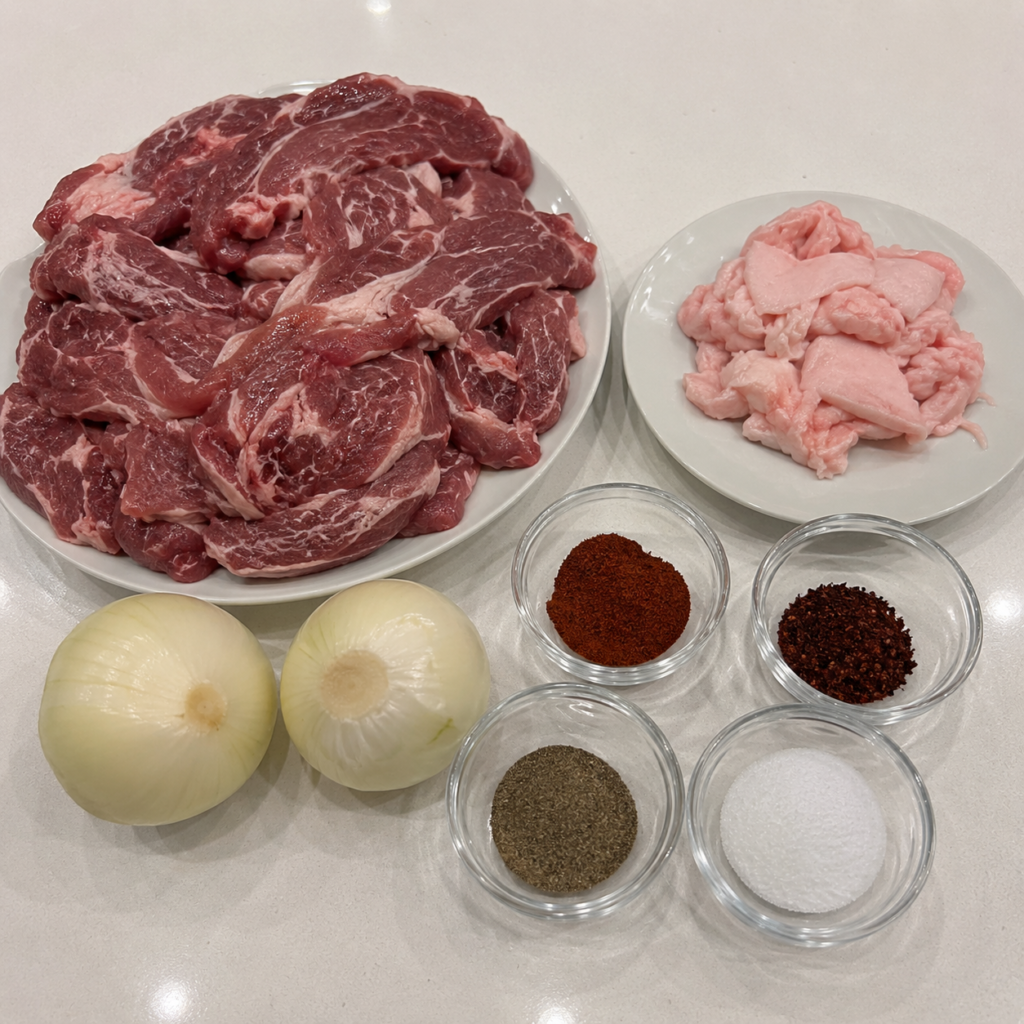
For the Meat
- 1.5 kg lamb leg or lamb shoulder
- 200 g lamb tail fat or lamb fat, thinly sliced
- 2 medium onions
- 2 teaspoons salt
- 1 teaspoon black pepper
- 1 teaspoon pul biber (Aleppo pepper)
- 1 teaspoon paprika
For Serving
- Lavash bread
- Grilled tomatoes
- Grilled green peppers
- Sumac onions
- Fresh parsley
Instructions
1. Prepare the Lamb
Trim excess silver skin from the lamb.
Slice the meat into thin sheets rather than cubes.
Traditional Cağ Kebabı depends heavily on thin layered slices that can stack tightly together on the spit.
The slices should be thin but not paper-thin.
Some fat should remain attached because fat is essential for flavor and moisture during cooking.
If using lamb tail fat, slice it into thin strips as well.
Authentic Erzurum cağ kebabı traditionally alternates layers of lamb meat and lamb tail fat on the skewer.
2. Prepare the Onion Marinade
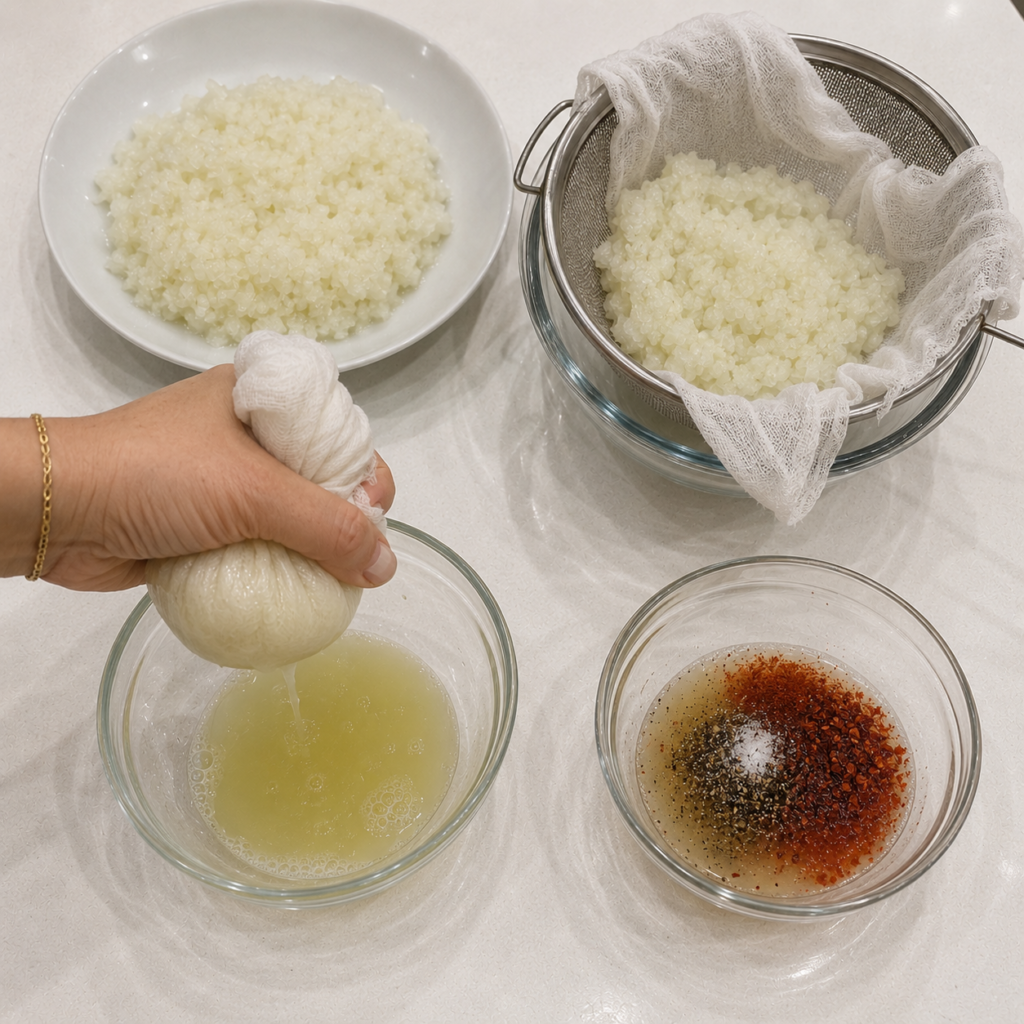
Grate the onions into a bowl.
Transfer the grated onions into a cheesecloth or clean towel.
Squeeze firmly to extract the onion juice.
Discard the pulp.
The onion juice is extremely important because it tenderizes the meat without overpowering the flavor.
In Eastern Turkish grilling traditions, onion juice is often preferred over heavy marinades because it softens the meat while preserving the natural lamb flavor.
Mix the onion juice with salt, black pepper, pul biber, and paprika.
3. Marinate the Meat
Coat all lamb slices thoroughly with the onion marinade.
Cover and refrigerate overnight.
Long marination allows the onion enzymes and salt to tenderize the meat gently while developing deeper flavor.
Traditional cağ kebabı preparation often involves overnight marination in cool mountain air conditions.
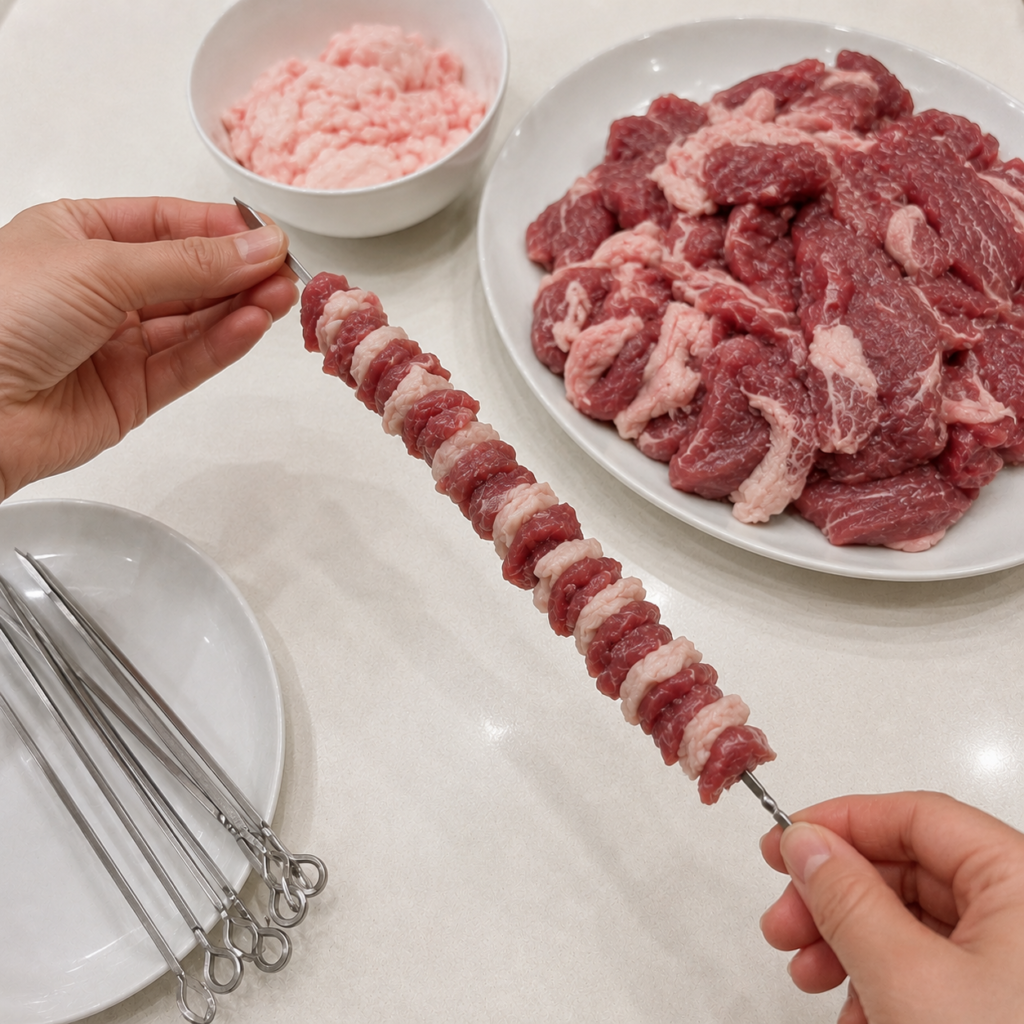
4. Build the Skewers
If using a grill or rotisserie setup, thread the lamb slices tightly onto large skewers or metal spits.
Alternate occasionally with strips of lamb fat.
Compress the meat firmly together.
This helps mimic the tightly packed structure of authentic cağ kebabı rotisserie stacks.
If you do not have a rotisserie, wide flat skewers or stacked oven skewers work very well.
5. Prepare the Fire or Oven
Traditional Cağ Kebabı is cooked over hardwood fire, often oak or fruit wood.
This creates subtle smokiness and rich caramelization.
For home cooking:
Grill Method
Prepare medium-high indirect heat.
Oven Method
Preheat oven to 220°C (425°F).
Place a tray underneath the skewers to catch dripping fat.
High heat is essential because the meat should roast while remaining juicy inside.
6. Cook the Kebab
Cook slowly while rotating regularly.
As the outer layer browns, slice thin strips directly from the outside using a sharp knife.
This is one of the defining features of authentic cağ kebabı.
The remaining meat continues roasting while fresh slices are constantly shaved away.
The edges should become deeply caramelized while the inside remains tender and juicy.
If using smaller home skewers rather than a large spit, cook until browned and lightly charred around the edges.
Properly cooked Cağ Kebabı should have:
- Crispy edges
- Juicy interior
- Smoky aroma
- Rendered fat
- Rich lamb flavor
7. Grill the Serving Skewers
Traditionally, sliced meat is transferred onto smaller serving skewers called cağ and briefly grilled again before serving.
This second grilling stage intensifies flavor and creates extra crispness.
At home, you can quickly finish sliced meat on a hot grill pan or cast-iron skillet.
8. Serve Immediately
Serve hot with:
- Lavash bread
- Grilled peppers
- Grilled tomatoes
- Sumac onions
- Fresh parsley
Many Turkish restaurants also serve roasted onions and fresh green herbs alongside the kebab.
Ayran is the traditional beverage pairing.
What Makes Oltu Cağ Kebabı So Special?
Cağ Kebabı stands apart from many other kebabs because of its cooking style and incredible meat texture.
The horizontal spit allows fat to melt gradually through the meat layers instead of dripping away too quickly.
This constant self-basting process creates exceptional juiciness.
The second defining characteristic is the simplicity of the seasoning.
Unlike heavily marinated Middle Eastern kebabs, Cağ Kebabı focuses on preserving the pure flavor of lamb itself.
This makes ingredient quality extremely important.
Traditional Erzurum cooks often insist that the best Cağ Kebabı comes from young mountain-grazed lambs raised in Eastern Anatolia.
Understanding the Difference Between Cağ Kebabı and Döner
Although both dishes involve spit-roasted meat, they are quite different.
Cağ Kebabı
- Horizontal rotisserie
- Lamb-focused
- Simpler seasoning
- Served on skewers
- Stronger smoky flavor
Döner Kebab
- Vertical rotisserie
- Often mixed meats
- More seasoning variation
- Usually sliced into bread or wraps
- Faster cooking style
Cağ Kebabı is generally considered more rustic and more deeply connected to traditional Anatolian grilling culture.
Choosing the Best Lamb
Lamb Shoulder
Excellent marbling and rich flavor.
Ideal for juicy results.
Lamb Leg
Leaner but still traditional.
Slice thinly for tenderness.
Tail Fat Matters
Authentic Cağ Kebabı traditionally uses lamb tail fat because it melts slowly and creates exceptional flavor.
If unavailable, substitute regular lamb fat.
Things to Consider
Thin Slices Are Essential
Large chunks will not cook correctly.
The meat should layer tightly together.
Don’t Skip the Fat
Fat is central to authentic texture and flavor.
Wood Fire Improves Flavor
Charcoal or wood creates the best traditional smokiness.
Rest Briefly Before Serving
Allow the meat to rest a few minutes after slicing to retain juices.
Tips
Freeze Meat Slightly Before Slicing
Partially freezing lamb makes thin slicing much easier.
Use Metal Skewers
Metal retains heat better than wooden skewers.
Cook Slowly
Slow roasting creates better fat rendering and tenderness.
Add Light Smoke
Wood chips or charcoal improve authenticity dramatically.
Serve Fresh
Cağ Kebabı is best eaten immediately after cooking.
Traditional Erzurum Serving Style
In Erzurum restaurants, Cağ Kebabı is often served continuously.
The cook slices small portions from the spit and hands fresh skewers directly to customers one by one.
This creates a highly interactive dining experience centered around freshness and constant grilling.
Fresh lavash bread absorbs the rendered lamb juices beautifully while grilled vegetables balance the richness of the meat.
Why Eastern Turkish Cuisine Loves Lamb
Eastern Anatolia has a long pastoral tradition centered around sheep herding.
As a result, lamb became one of the defining proteins of the region’s cuisine.
The colder mountain climate also encouraged rich, hearty foods that provided warmth and energy.
Cağ Kebabı perfectly reflects these regional traditions through its emphasis on fire cooking, animal fat, and high-quality lamb.
Storage and Reheating
Refrigerator
Store leftovers in an airtight container for up to 3 days.
Freezer
Freeze cooked meat for up to 2 months.
Reheating
Reheat quickly in a hot skillet or grill pan.
Avoid microwaving because it softens the crisp edges.
Final Thoughts
Oltu Cağ Kebabı is one of Türkiye’s greatest meat dishes — smoky, juicy, deeply savory, and rooted in centuries of Eastern Anatolian grilling tradition.
Its magic comes not from complicated ingredients but from technique, patience, and exceptional lamb.
The combination of slow roasting, rendered fat, crisp caramelized edges, and fresh lavash creates an unforgettable kebab experience.
Whether cooked over charcoal, grilled outdoors, or adapted for home ovens, Cağ Kebabı delivers rich Turkish flavor in every bite.
Served hot with onions, parsley, grilled vegetables, and warm bread, it becomes the kind of meal people gather around and remember long afterward.
Afiyet olsun!