
 By Fatih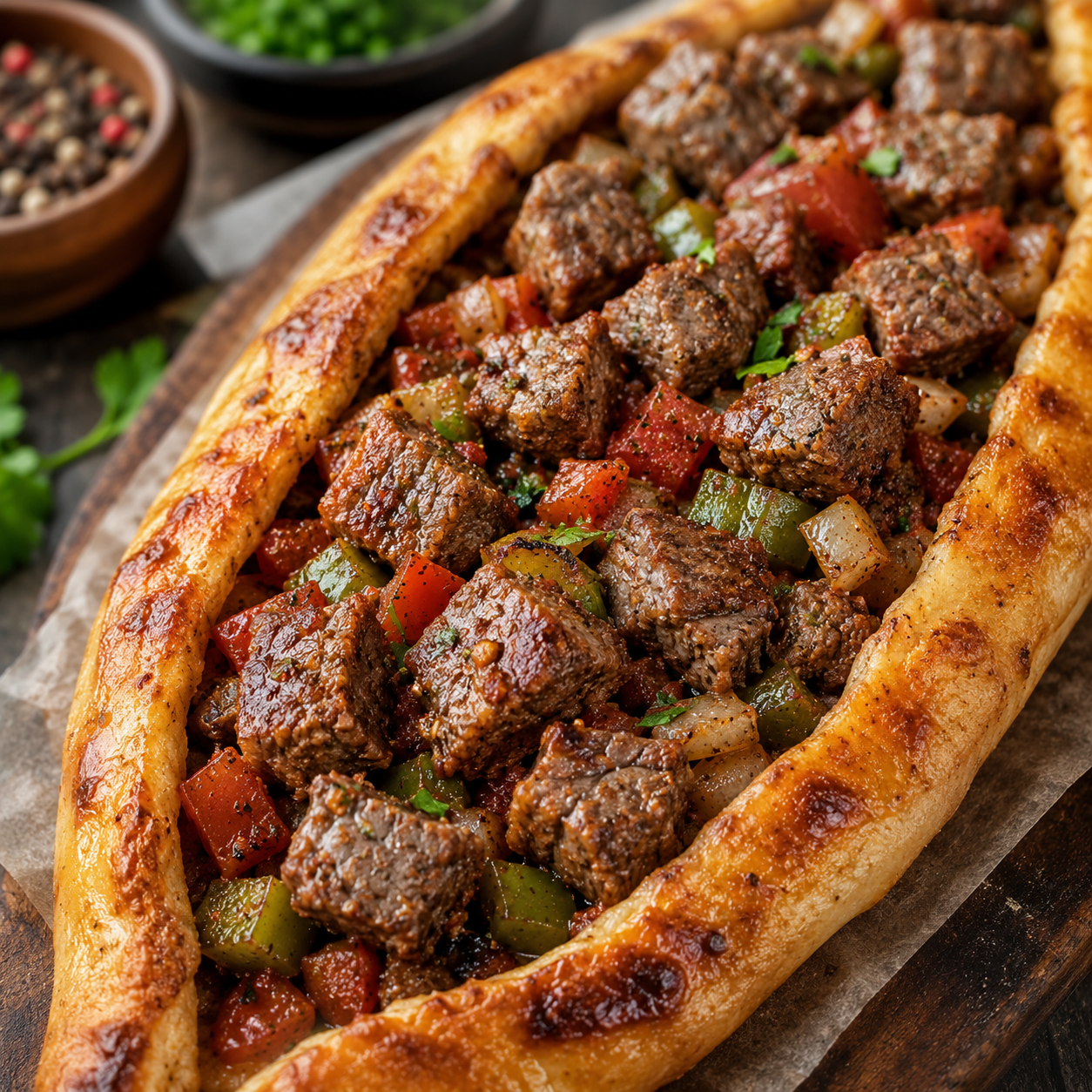
Kuşbaşılı Pide is one of the most beloved dishes in Turkish cuisine. Often called “Turkish pizza” outside Türkiye, this long oval-shaped flatbread is topped with juicy diced meat, tomatoes, peppers, onions, herbs, and spices, then baked until beautifully golden and slightly crispy around the edges.
Unlike Italian pizza, Turkish pide uses a softer, thinner dough with a more delicate texture. The toppings are also lighter and fresher, allowing the flavor of the meat and vegetables to remain central rather than being buried under heavy cheese or sauce.
The word kuşbaşılı refers to the small diced cubes of meat traditionally used for the topping. In authentic Turkish pide shops, lamb is often preferred because of its rich flavor and tenderness, though beef is also commonly used in modern home kitchens.
Pide has been part of Anatolian cooking culture for centuries and is especially popular in Black Sea region cuisine. Turkish bakeries and pide restaurants traditionally bake them inside extremely hot stone ovens that create the signature crisp edges and soft chewy center.
At home, however, excellent results can still be achieved using a regular oven and a hot baking tray or pizza stone.
What makes kuşbaşılı pide special is the balance of textures and flavors. The dough becomes lightly crisp underneath while remaining soft inside. The topping stays juicy and aromatic thanks to tomatoes, peppers, onions, and rendered meat juices.
The edges are folded inward to create the famous boat-like shape associated with Turkish pide.
Served fresh from the oven with lemon wedges, parsley, and ayran, kuşbaşılı pide becomes one of the most comforting and satisfying meals in Turkish cuisine.
One of the reasons people love Turkish pide so much is how communal and casual it feels. It is the kind of food meant to be shared around the table while still hot.
Whether enjoyed for lunch, dinner, or weekend gatherings, this Turkish flatbread always delivers rich flavor and comforting texture.
- Servings: 4–6
- Prep Time: 40 minutes
- Resting Time: 1 hour
- Cook Time: 15–18 minutes
- Total Time: About 2 hours
Ingredients
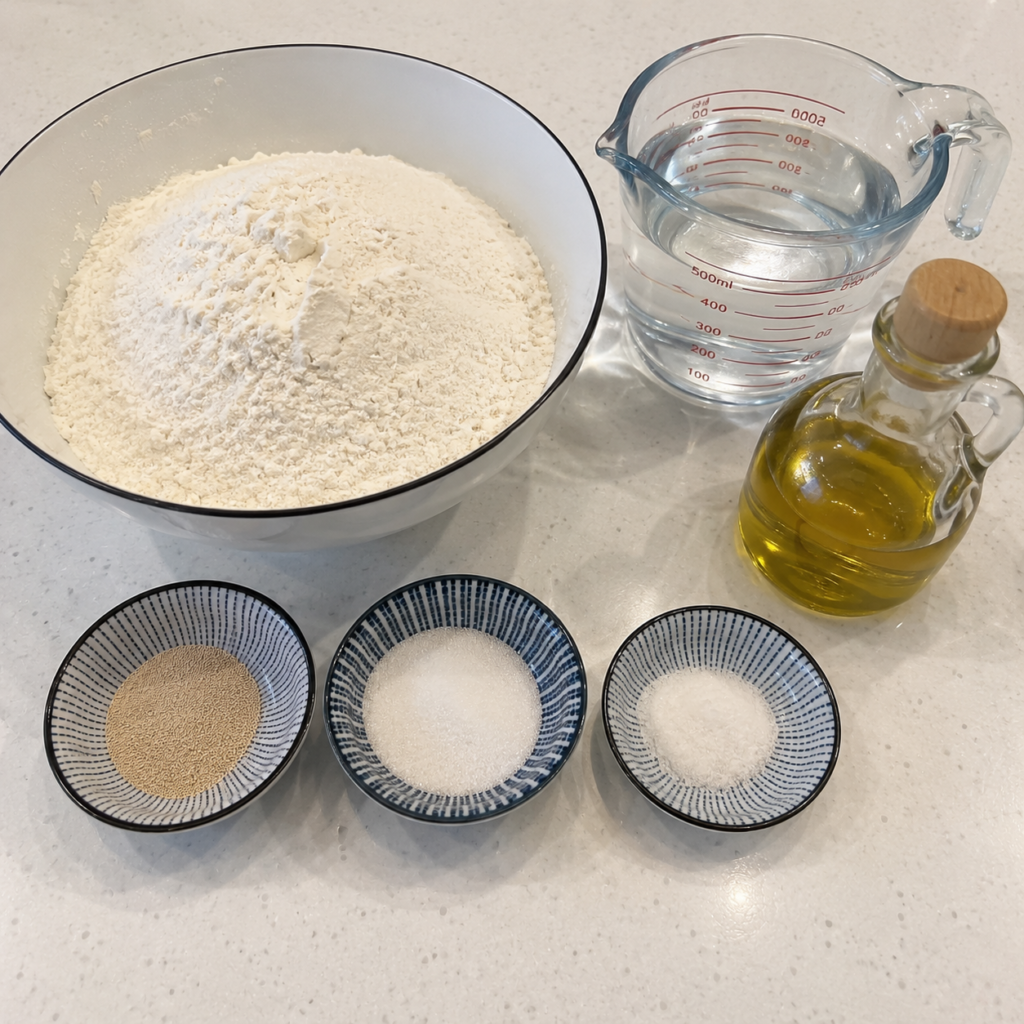
For the Dough
- 500 g all-purpose flour
- 7 g instant yeast
- 1 teaspoon sugar
- 1 teaspoon salt
- 300 ml warm water
- 2 tablespoons olive oil
For the Meat Topping
- 350 g lamb or beef, diced into very small cubes
- 1 medium onion, finely chopped
- 2 green Turkish peppers, finely chopped
- 2 medium tomatoes, finely chopped
- 3 garlic cloves, minced
- 2 tablespoons parsley, chopped
- 1 tablespoon tomato paste
- 1 teaspoon paprika
- 1 teaspoon pul biber (Aleppo pepper)
- Salt and black pepper, to taste
- 2 tablespoons olive oil
For Finishing
- Egg wash (1 egg yolk mixed with 1 tablespoon milk)
- Fresh parsley
- Lemon wedges
Instructions
1. Prepare the Dough
In a large bowl, combine warm water, sugar, and yeast.
Allow the mixture to sit for about 5–10 minutes until slightly foamy.
Add olive oil, flour, and salt.
Mix until a shaggy dough forms.
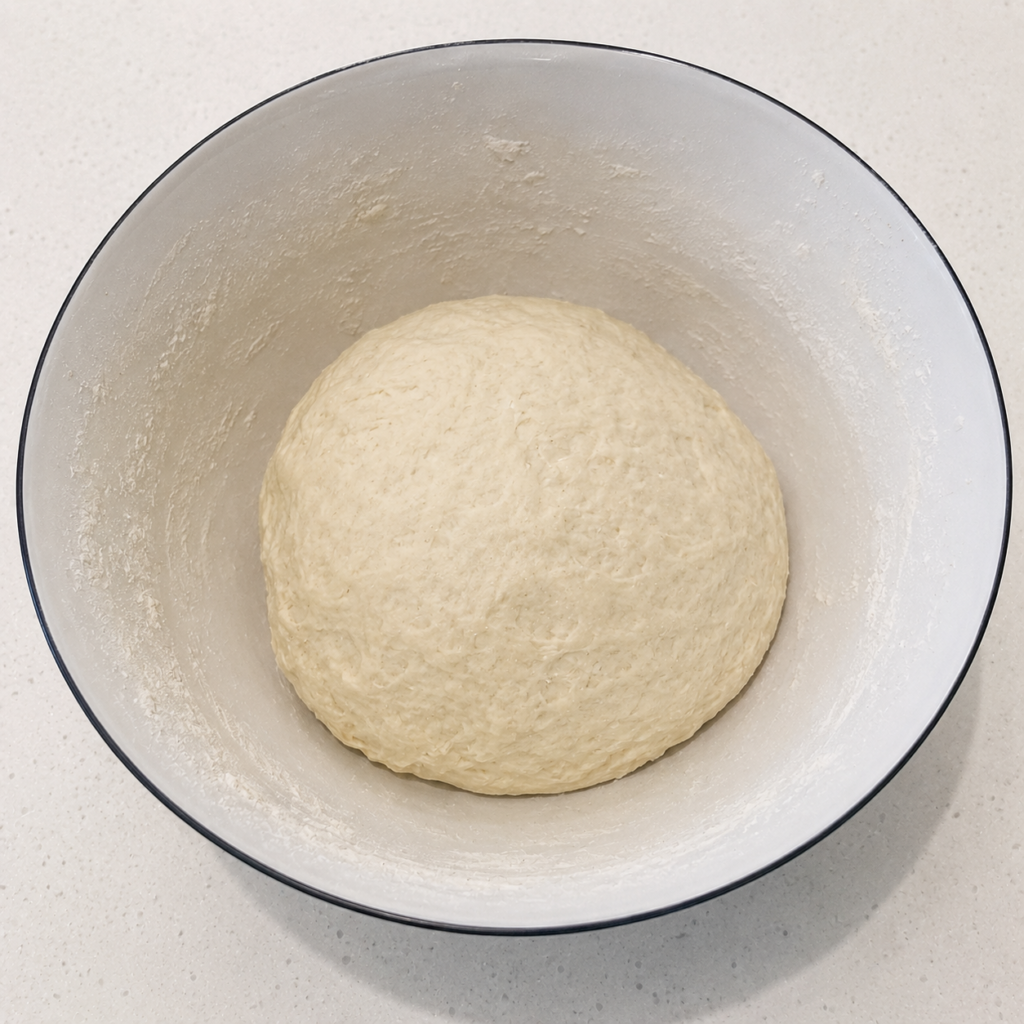
Transfer the dough onto a lightly floured surface and knead for about 8–10 minutes until smooth and elastic.
The dough should feel soft and slightly tacky but not sticky.
Place the dough into a lightly oiled bowl.
Cover and allow it to rise for about 1 hour or until doubled in size.
Traditional Turkish pide dough is softer than many pizza doughs, which helps create its characteristic chewy texture after baking.
2. Prepare the Meat Filling
While the dough rises, prepare the topping.
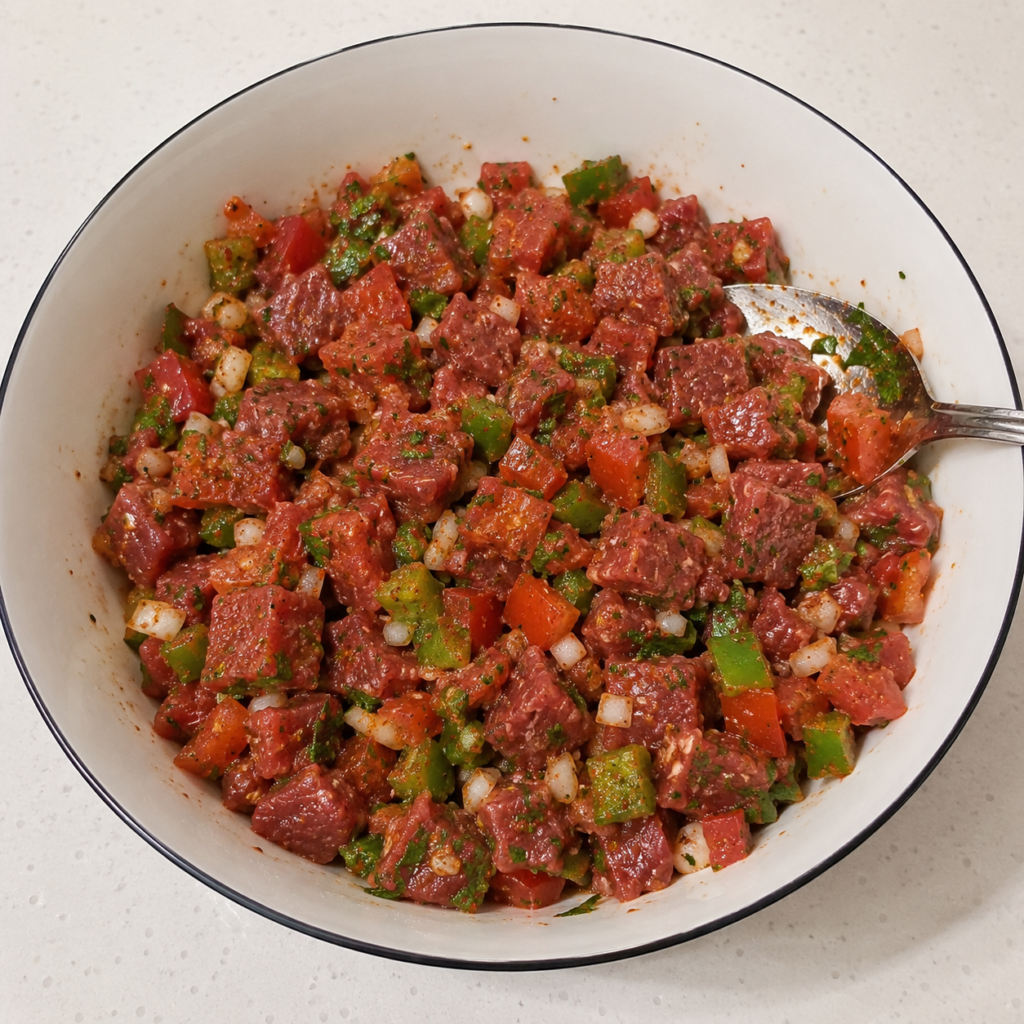
In a large bowl, combine diced meat, onions, peppers, tomatoes, garlic, parsley, tomato paste, olive oil, paprika, pul biber, salt, and black pepper.
Mix thoroughly until evenly combined.
The mixture should appear juicy but not watery.
The finely chopped vegetables release moisture while baking, helping keep the meat tender and flavorful.
Traditional Turkish pide toppings often use raw meat mixtures rather than pre-cooked fillings because the intense oven heat cooks everything quickly while preserving juiciness.
3. Preheat the Oven
Place a pizza stone or heavy baking tray inside the oven.
Preheat the oven to its highest temperature, ideally around 250°C (480°F).
High heat is extremely important for proper pide texture.
Traditional stone ovens cook pide very quickly, creating crisp edges while keeping the center soft and tender.
A thoroughly heated baking surface helps recreate this effect at home.
4. Shape the Dough
Punch down the risen dough and divide it into 4 equal portions.
Roll each portion into an oval shape about ¼ inch thick.
Transfer carefully onto parchment paper.
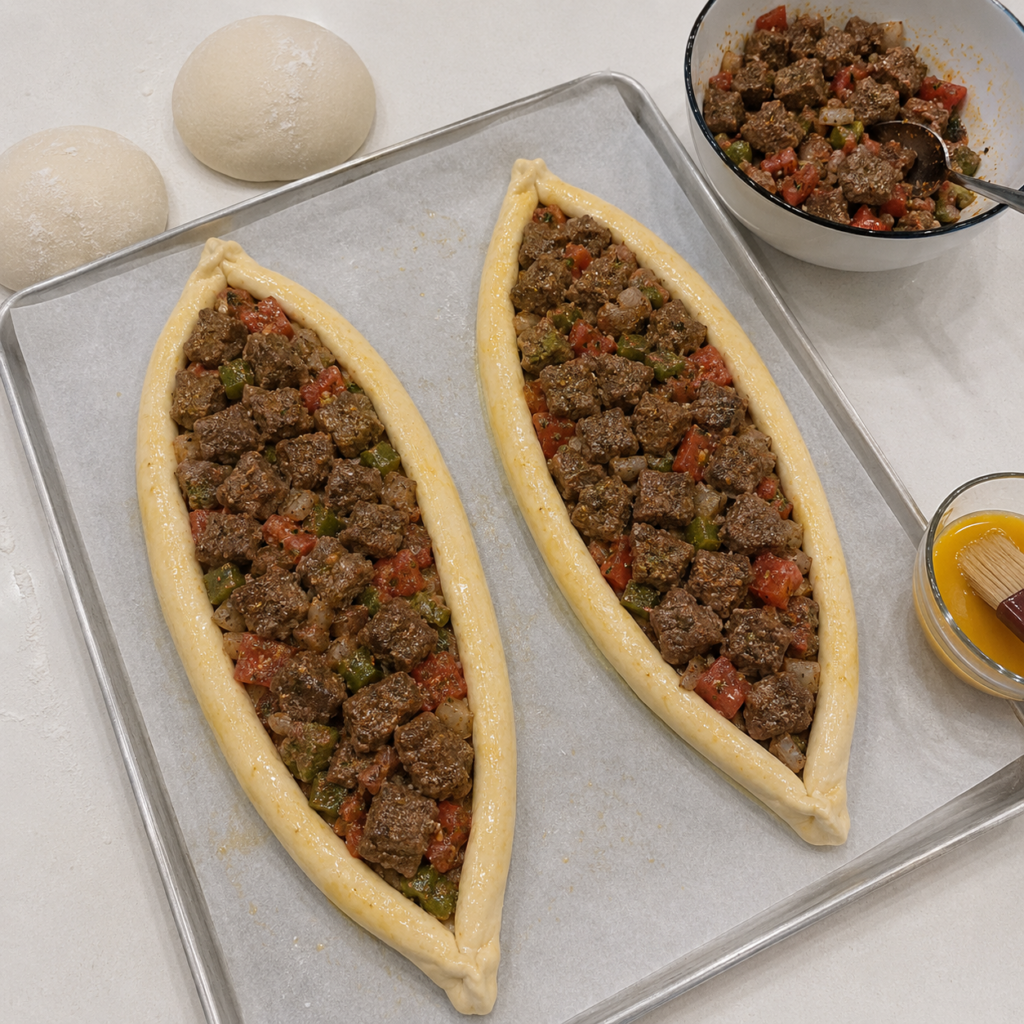
Spread the meat filling evenly over each oval, leaving a small border around the edges.
Fold the edges inward slightly to create the traditional boat-like shape.
Twist the ends gently to seal them.
Brush the exposed dough edges with egg wash.
This helps create the glossy golden crust associated with authentic Turkish pide.
5. Bake the Pide
Transfer the prepared pides carefully onto the hot baking tray or pizza stone.
Bake for about 12–18 minutes depending on oven temperature.
The dough edges should become deeply golden while the meat topping cooks fully and begins lightly caramelizing.
The vegetables should soften while still retaining some texture.
Properly baked pide should have:
- Crisp golden edges
- Soft chewy center
- Juicy topping
- Slight browning underneath
The aroma of baked bread, meat, garlic, and peppers becomes incredibly rich during this stage.
6. Finish and Serve
Remove the pides from the oven and allow them to rest briefly.
Top with fresh parsley.
Serve immediately while hot.
Lemon wedges are commonly served alongside Turkish pide because fresh lemon juice brightens the rich meat beautifully.
Some people also add pul biber or sumac before serving.
What Makes Turkish Pide So Special?
Turkish pide stands out because of its incredible balance between bread and topping.
Unlike heavily topped pizzas, pide allows every ingredient to remain distinct and flavorful.
The dough itself plays a central role.
It is soft, chewy, slightly crisp around the edges, and designed specifically to absorb juices from the topping without becoming soggy.
The meat topping also differs from many Western flatbreads.
Instead of thick sauces or large chunks, Turkish pide relies on finely diced ingredients that cook quickly and evenly.
This creates incredibly balanced flavor in every bite.
The boat shape is not only visually iconic but also functional. It helps keep the juices contained while the edges crisp beautifully during baking.
Understanding Kuşbaşılı Pide
The word kuşbaşı refers to tiny bird-sized cubes of meat.
Traditionally, Turkish butchers cut lamb into very small cubes specifically for dishes like pide and kebabs.
These small pieces cook rapidly inside hot ovens while remaining juicy.
Although minced meat versions of pide are extremely common throughout Türkiye, kuşbaşılı pide is often considered slightly more traditional and restaurant-style because of the tender meat pieces.
Lamb creates especially rich flavor, though beef works beautifully as well.
Choosing the Best Meat
Lamb
Traditional and richer in flavor.
Lamb shoulder or leg works especially well because slight marbling keeps the meat juicy during baking.
Beef
Lean beef creates a slightly lighter result.
Choose tender cuts and dice them very finely.
Fat Content Matters
A small amount of fat improves flavor dramatically.
Very lean meat may dry out during baking.
Things to Consider
High Heat Is Essential
Pide depends heavily on strong oven heat.
Without enough heat, the dough may become pale or dry instead of crisp and chewy.
Don’t Overload the Dough
Too much topping can prevent the dough from baking properly underneath.
Chop Ingredients Finely
Small pieces cook faster and distribute flavor more evenly.
Use a Hot Baking Surface
Preheated trays or pizza stones dramatically improve crust texture.
Tips
Add Cheese
Some Turkish restaurants add cheese near the end of baking for extra richness.
Mozzarella or Turkish kaşar cheese both work well.
Brush with Butter
Brushing the edges with melted butter immediately after baking creates softer and more flavorful crust.
Add Egg
Some regional Turkish pides crack an egg into the center during the final minutes of baking.
Use Fresh Parsley
Fresh parsley brightens the richness of the meat beautifully.
Serve Immediately
Pide is always best eaten fresh and hot from the oven.
Storage and Reheating
Refrigerator
Store leftovers in an airtight container for up to 3 days.
Freezer
Freeze fully baked pides for up to 2 months.
Wrap tightly before freezing.
Reheating
Reheat in a hot oven rather than the microwave for the best texture.
The crust becomes crisp again while the topping reheats evenly.
Traditional Turkish Side Dishes
Kuşbaşılı pide pairs beautifully with:
- Ayran
- Shepherd’s salad
- Pickled vegetables
- Sumac onions
- Fresh parsley salad
- Turkish tea after the meal
These simple sides help balance the richness of the bread and meat.
Why Turkish Pide Feels Different from Pizza
Although often called Turkish pizza internationally, pide has its own unique identity.
The dough texture is different.
The toppings are fresher and lighter.
The shape is completely distinct.
And the overall eating experience feels more connected to Turkish bakery culture than Italian pizza traditions.
Turkish pide shops are often deeply communal spaces where families gather around long wooden tables sharing multiple varieties together.
That atmosphere remains part of what makes pide so beloved throughout Türkiye.
Final Thoughts
This Kuşbaşılı Pide recipe delivers everything people love about traditional Turkish bakery cooking: soft chewy dough, juicy meat topping, aromatic vegetables, and rich Mediterranean flavor.
Every bite combines crisp crust, tender meat, sweet tomatoes, garlic, and herbs in perfect balance.
Whether baked for family dinners, weekend gatherings, or casual entertaining, Turkish pide always creates a warm and satisfying meal experience.
Served hot with lemon wedges and ayran, it becomes the kind of food people immediately reach for seconds of.
Afiyet olsun!