
 By Fatih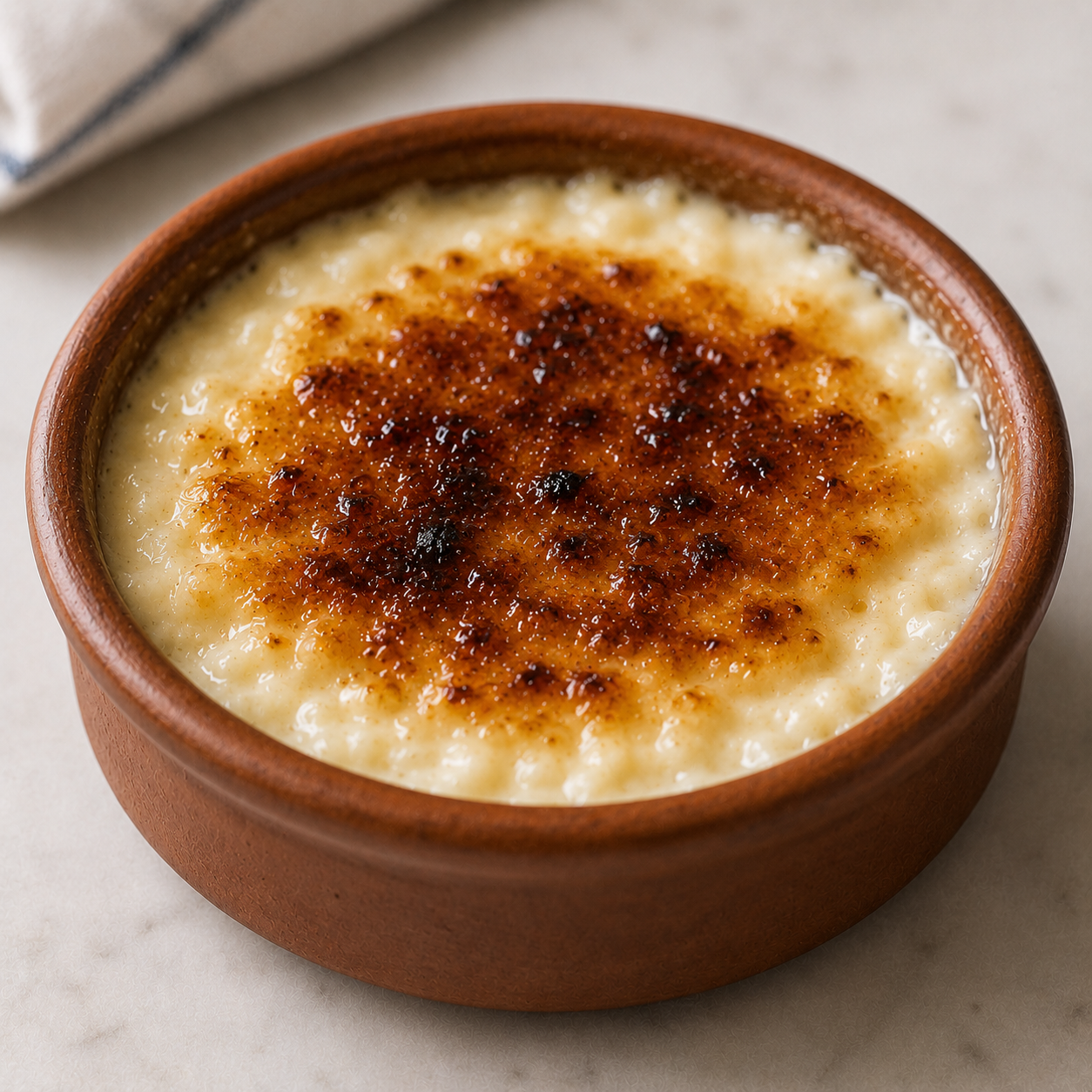
When it comes to comforting Turkish desserts, few dishes can compete with a bowl of creamy homemade Sütlaç. Known as Turkish rice pudding, Sütlaç is one of the oldest and most beloved desserts in Turkish cuisine. Found everywhere from family kitchens and neighborhood bakeries to traditional restaurants and elegant dessert shops, this simple yet satisfying dessert has remained a favorite for generations.
Made with rice, milk, sugar, and a few pantry staples, Sütlaç offers a delicate balance of sweetness and creaminess. Unlike many rich syrup-soaked Turkish desserts, Sütlaç is lighter, making it a popular choice after hearty meals.
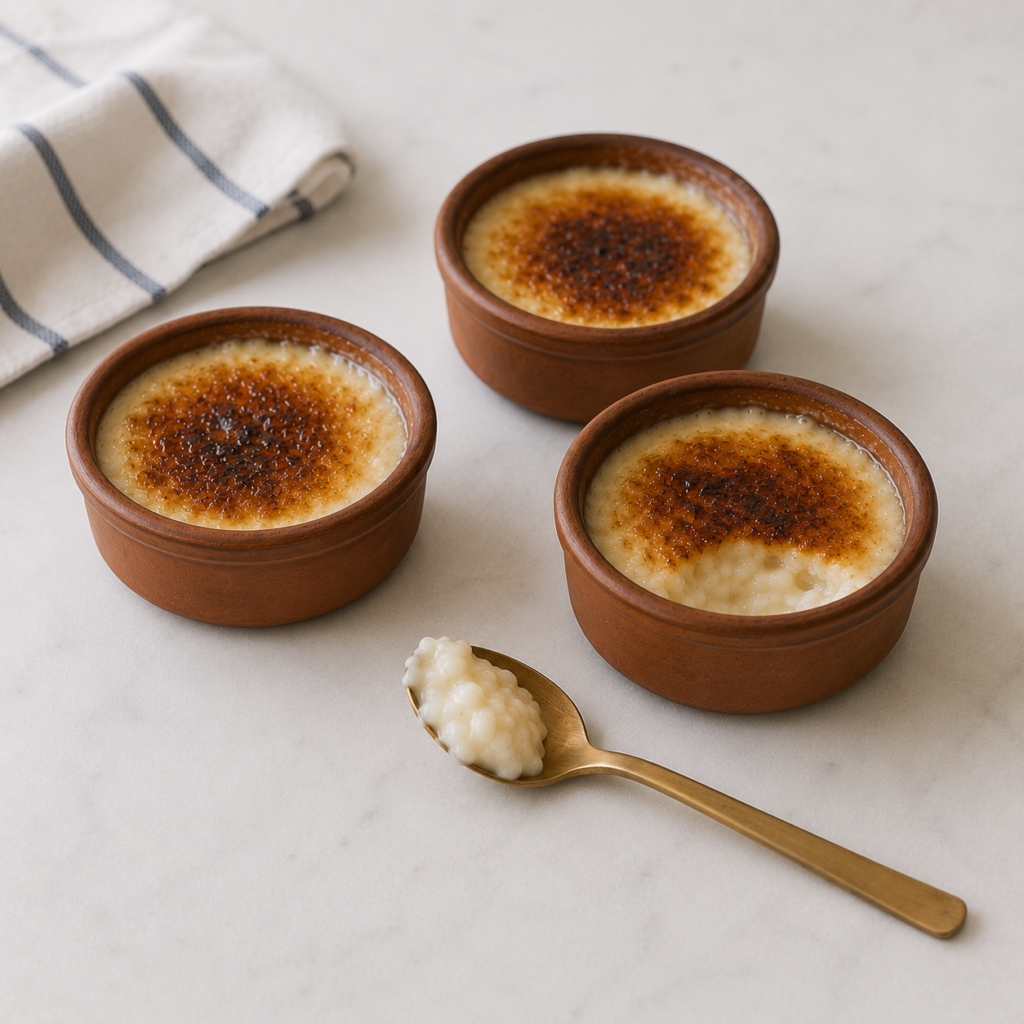
One of the most recognizable versions is Fırın Sütlaç, or baked Turkish rice pudding, which features a beautifully caramelized top layer. This golden-brown surface adds extra flavor and creates the iconic appearance seen throughout Turkey.
Whether served warm on a winter evening or chilled during the summer months, Sütlaç remains one of Turkey’s ultimate comfort foods.
What Is Sütlaç?
Sütlaç is a traditional Turkish rice pudding made by slowly cooking rice in milk until thick and creamy. The dessert is typically sweetened with sugar and thickened further with starch, creating a silky texture that is richer than many Western-style rice puddings.
The dessert can be served in two ways:
- Plain chilled rice pudding
- Baked rice pudding with a caramelized top (Fırın Sütlaç)
Both versions are popular throughout Turkey, though many people consider the baked version to be the most authentic presentation.
Why You’ll Love This Recipe
- Made with simple ingredients
- Creamy and comforting texture
- Perfect make-ahead dessert
- Naturally gluten-free
- Great served warm or cold
- Authentic Turkish flavor
- Family-friendly recipe
- Easy to customize
Recipe Information
- Prep Time: 10 minutes
- Cook Time: 40 minutes
- Chilling Time: 3 hours
- Total Time: Approximately 4 hours
- Servings: 6 servings
- Difficulty: Easy
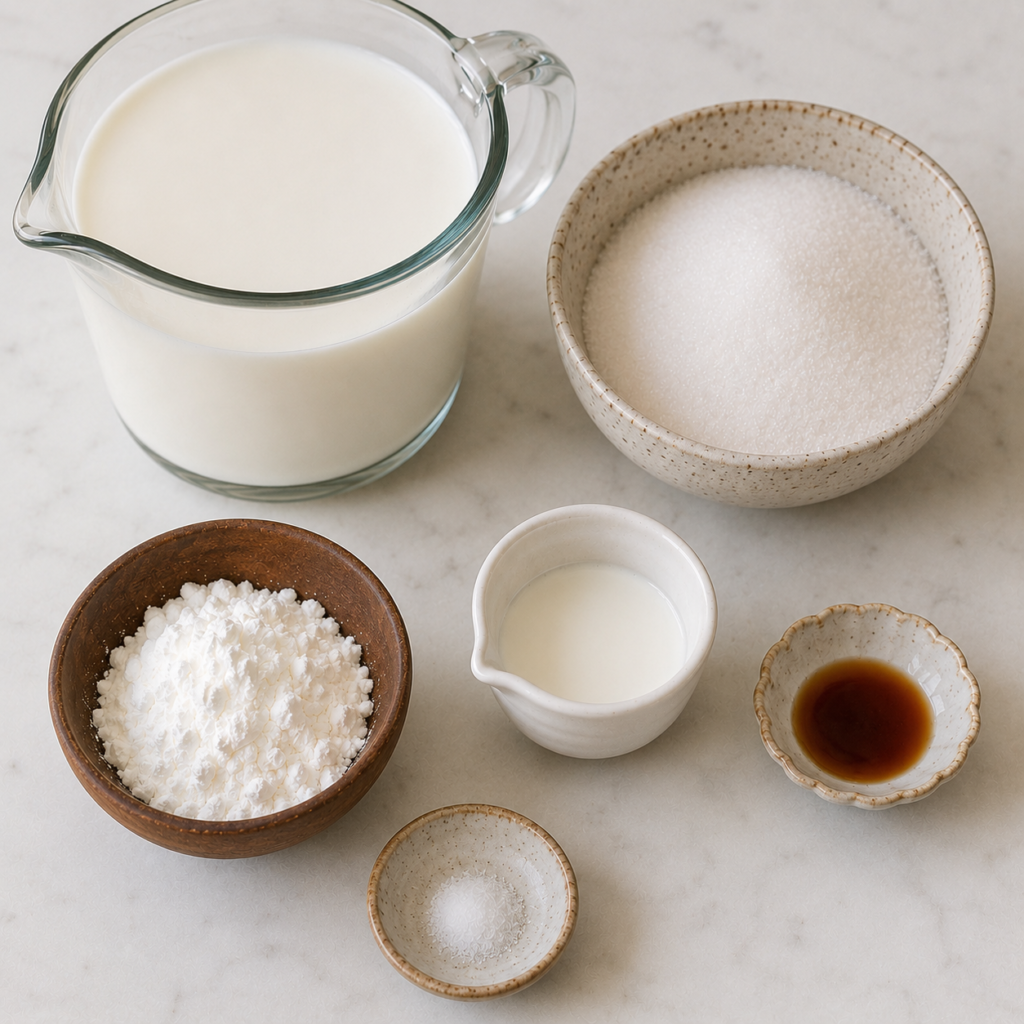
Ingredients
For the Rice
- ½ cup short-grain rice
- 1 cup water
For the Pudding
- 4 cups whole milk
- ¾ cup granulated sugar
- 2 tablespoons cornstarch
- ¼ cup milk (for mixing with cornstarch)
- 1 teaspoon vanilla extract
- Pinch of salt
Optional Garnish
- Ground cinnamon
- Crushed pistachios
- Chopped hazelnuts
Instructions
Step 1: Cook the Rice
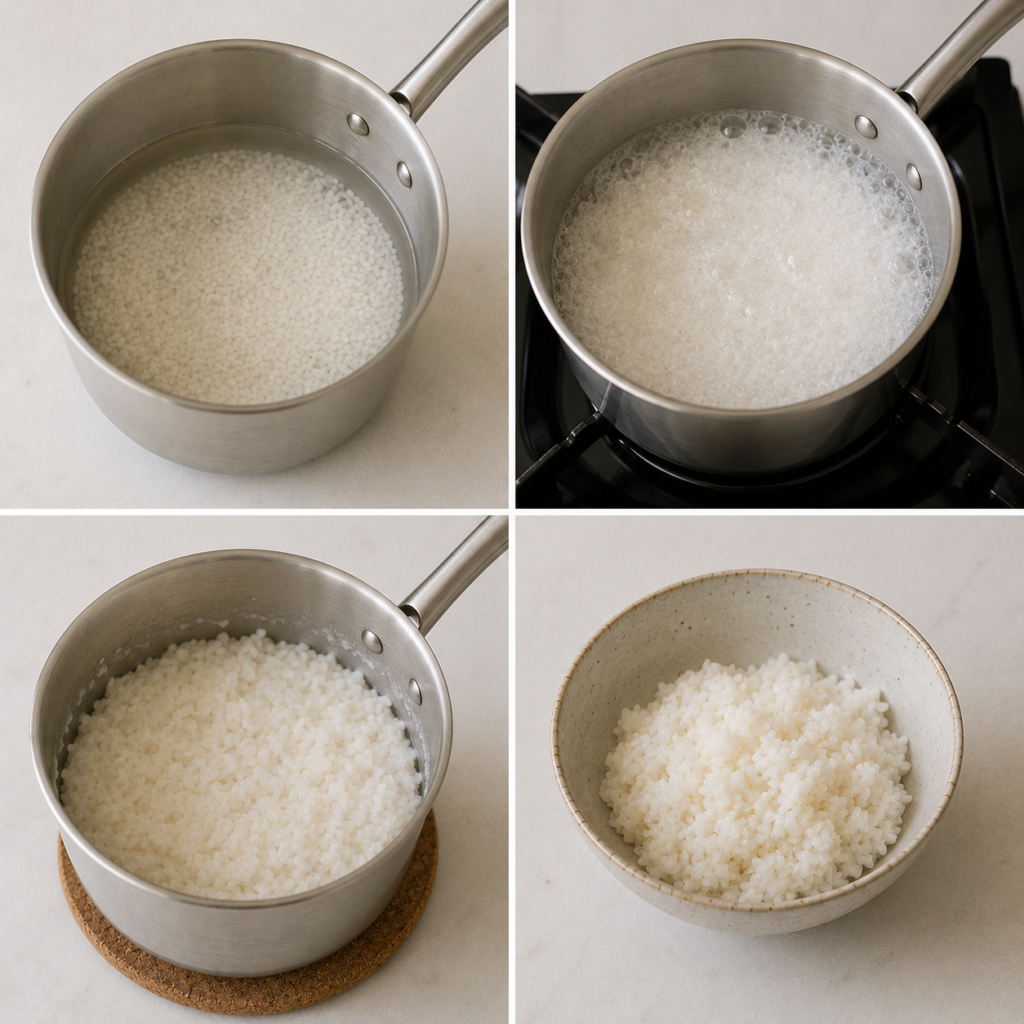
Place the rice and water in a medium saucepan.
Bring to a gentle boil over medium heat.
Reduce the heat and simmer until most of the water has been absorbed and the rice becomes soft.
This usually takes about 15 minutes.
Do not rinse the rice beforehand because the starch helps create the creamy texture that Sütlaç is known for.
Step 2: Add the Milk
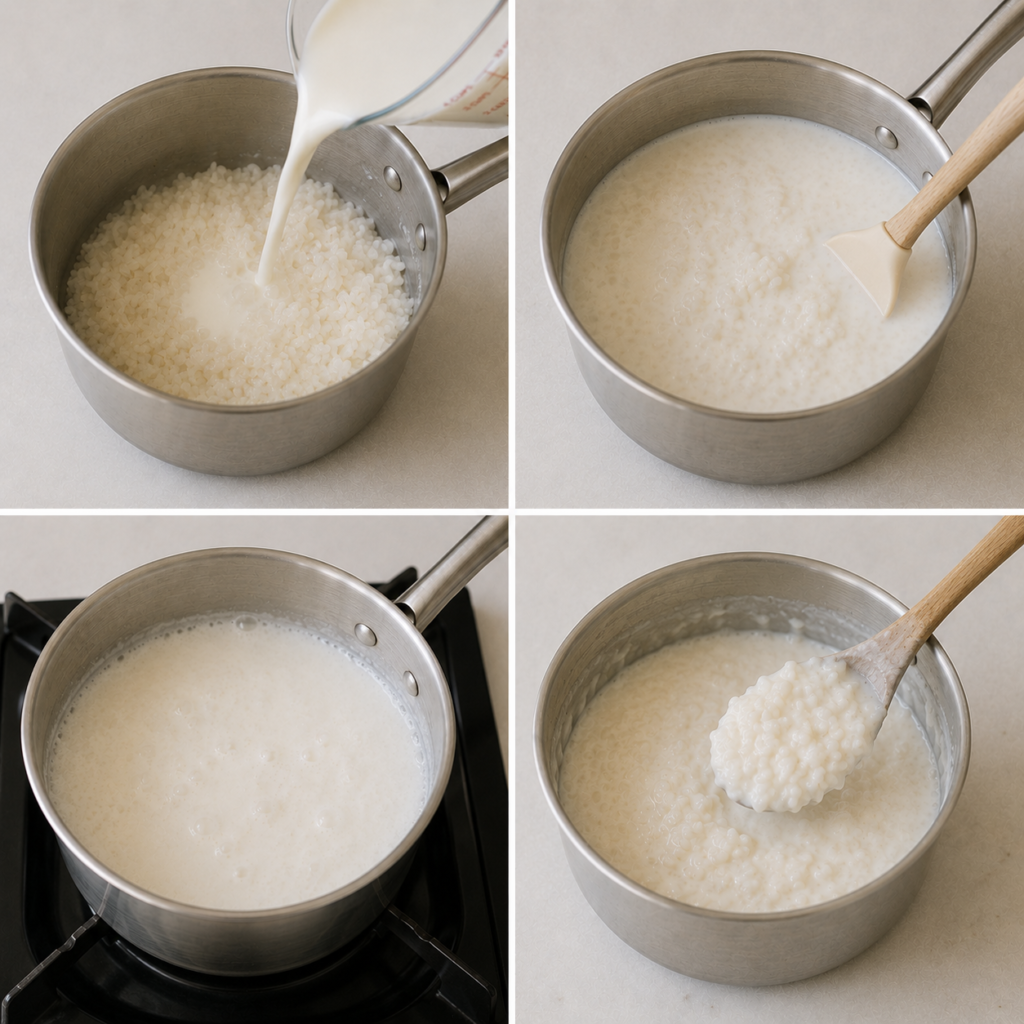
Pour the milk into the saucepan with the cooked rice.
Stir well to combine.
Bring the mixture to a gentle simmer over medium-low heat.
Continue cooking for approximately 20 minutes, stirring frequently to prevent sticking.
As the rice cooks further, it will release starch and begin thickening the mixture naturally.
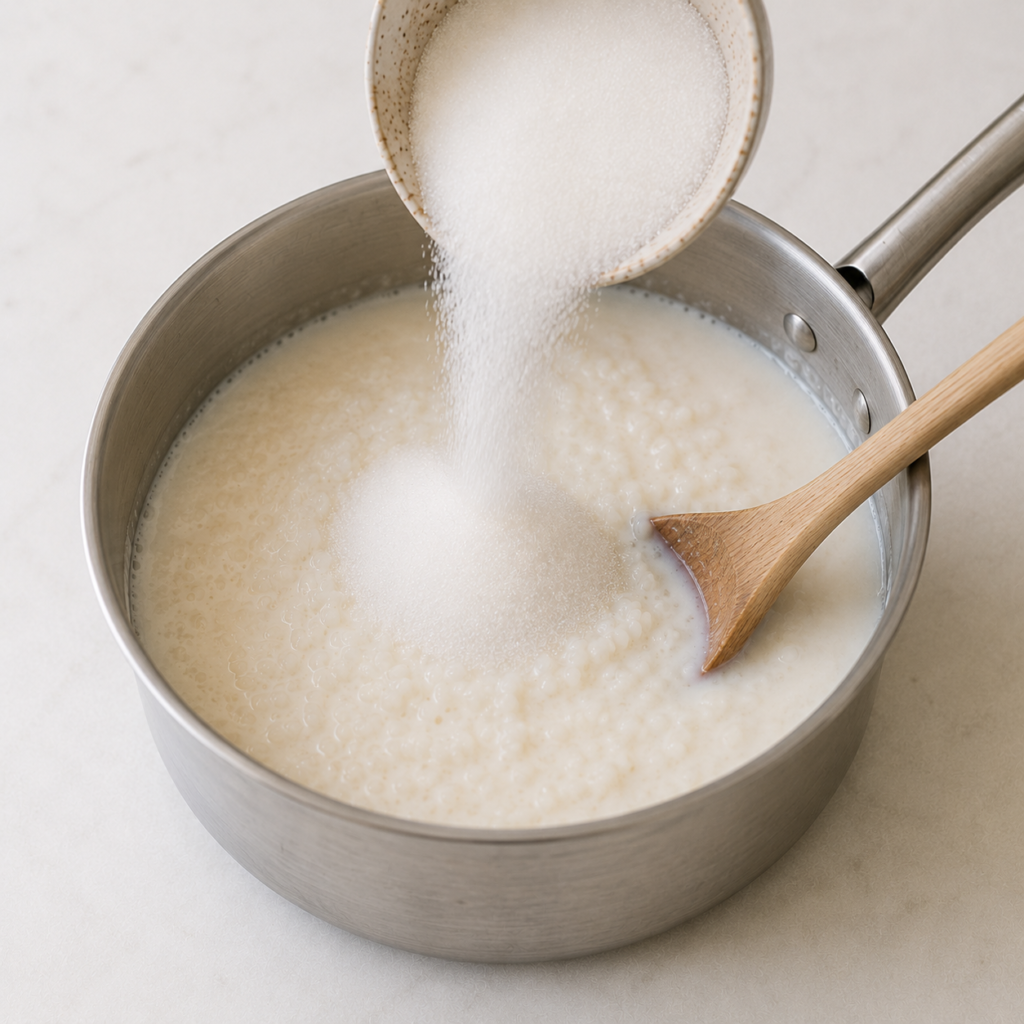
Step 3: Add the Sugar
Add the sugar and a pinch of salt.
Stir continuously until the sugar dissolves completely.
Allow the mixture to simmer gently for another 5 minutes.
At this point, the pudding should already be noticeably creamier.
Step 4: Prepare the Cornstarch Mixture
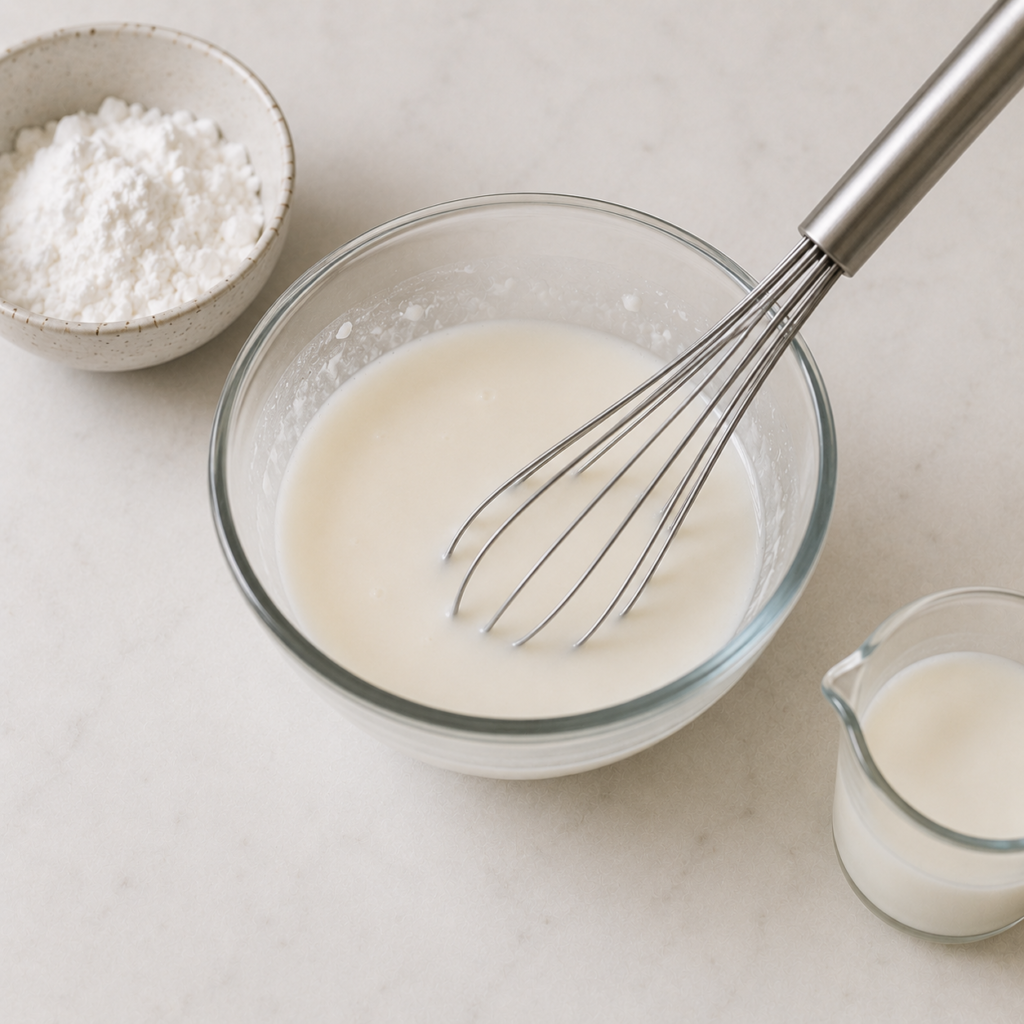
In a small bowl, whisk together:
- Cornstarch
- ¼ cup milk
Mix until completely smooth.
No lumps should remain.
Step 5: Thicken the Pudding
Slowly pour the cornstarch mixture into the saucepan while stirring constantly.
Continue cooking for approximately 5 minutes.
The pudding will gradually thicken into a creamy consistency.
Add the vanilla extract and stir well.
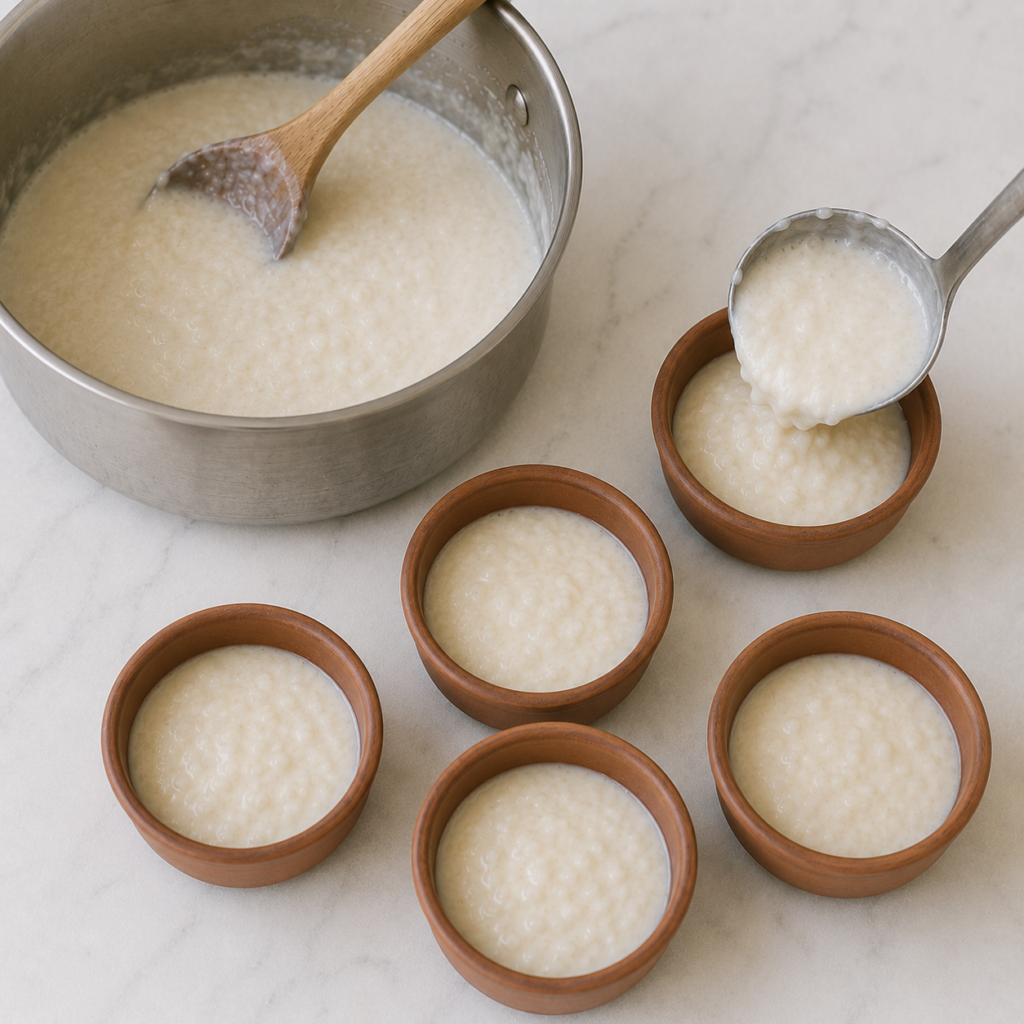
Step 6: Portion the Sütlaç
Divide the hot pudding among oven-safe ramekins, clay bowls, or individual serving dishes.
Leave a small amount of space at the top of each dish.
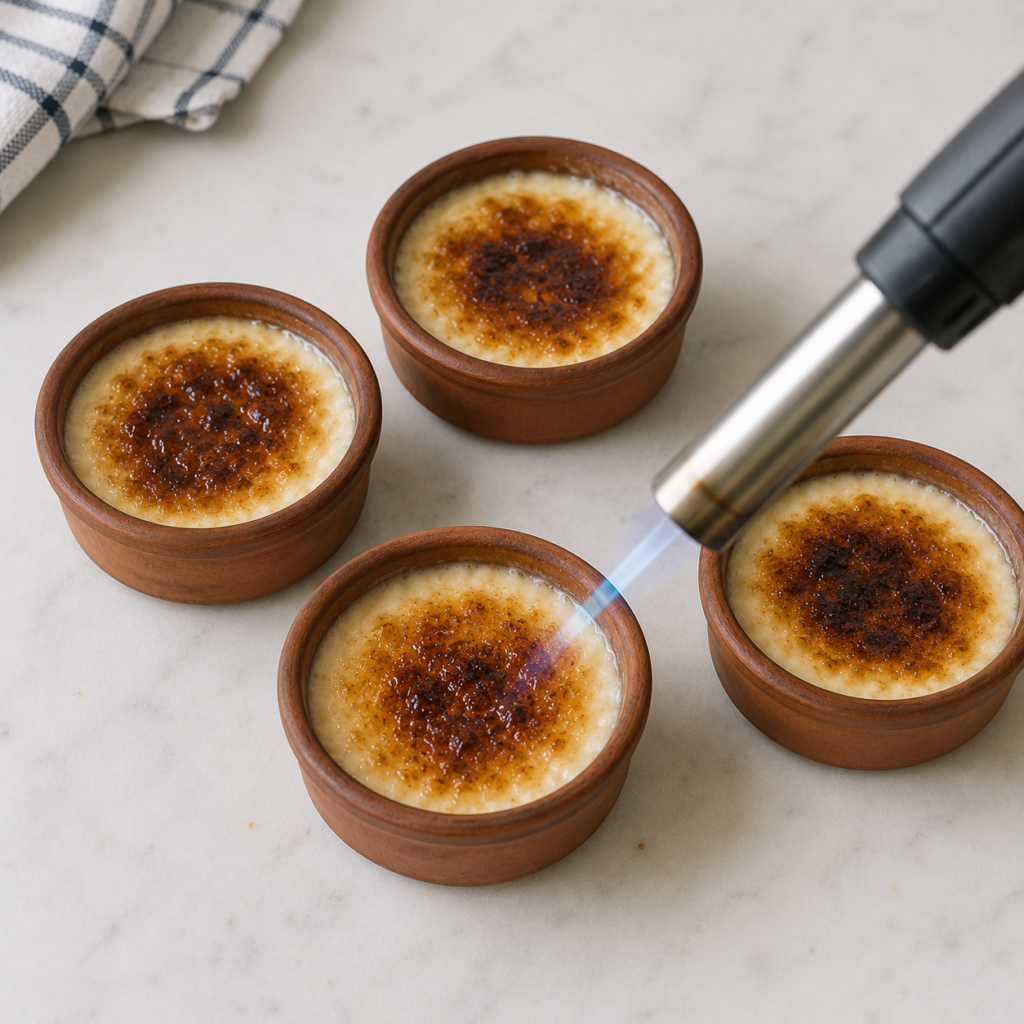
Step 7: Create the Caramelized Top
For authentic Fırın Sütlaç:
Place the bowls on a baking tray.
Position them under a hot broiler or grill.
Watch carefully.
Within a few minutes, the surface will bubble and develop dark golden-brown spots.
Do not leave unattended, as the tops can burn quickly.
Step 8: Chill and Serve
Allow the puddings to cool to room temperature.
Transfer to the refrigerator.
Chill for at least 3 hours before serving.
Serve cold with cinnamon, pistachios, or hazelnuts if desired.
What Makes Turkish Sütlaç Different?
Many countries have their own version of rice pudding, but Turkish Sütlaç stands apart because of its exceptionally creamy texture and signature caramelized top layer. Unlike many rice puddings that rely heavily on rice, Turkish Sütlaç places greater emphasis on milk, creating a smoother, more delicate dessert.
The pudding also tends to be less heavily spiced than Western versions, allowing the natural flavors of milk and rice to shine.
The History of Sütlaç
Rice-based milk desserts have been enjoyed throughout the Ottoman Empire for centuries. Historical references indicate that early versions of Sütlaç existed long before modern Turkish cuisine took shape. Over time, the recipe evolved into the creamy dessert served today in homes and restaurants across Turkey.
Today, Sütlaç remains one of Turkey’s most recognizable desserts and can be found in nearly every traditional restaurant and pastry shop.
Choosing the Best Rice
The type of rice you use can significantly impact the final texture.
Best options include:
- Baldo rice
- Osmancık rice
- Arborio rice
- Other short-grain varieties
Short-grain rice contains more starch, which helps create the signature creamy consistency.
Avoid long-grain varieties such as basmati if possible.
Tips for Perfect Sütlaç
Stir Frequently
Milk can scorch easily.
Regular stirring prevents sticking and burning.
Use Whole Milk
Whole milk provides the richest flavor and creamiest texture.
Don’t Rinse the Rice
The starch naturally helps thicken the pudding.
Watch the Broiler Carefully
The caramelized top develops quickly.
A few extra seconds can turn golden brown into burnt.
Chill Thoroughly
The texture improves significantly after refrigeration.
Variations
Cinnamon Sütlaç
Sprinkle cinnamon over the top before serving.
Pistachio Sütlaç
Top with crushed pistachios for added texture and color.
Rosewater Sütlaç
Add a small amount of rosewater for a subtle floral note.
Vanilla Bean Sütlaç
Use real vanilla bean instead of extract for deeper flavor.
Hazelnut Sütlaç
Finish with chopped roasted hazelnuts.
Common Mistakes to Avoid
Overcooking the Rice
Rice should be soft but not mushy before adding the milk.
Using Low-Fat Milk
The pudding will be less creamy.
Adding Cornstarch Directly
Always dissolve it in milk first.
Skipping the Chilling Time
Freshly made Sütlaç tastes good, but chilled Sütlaç develops the best texture.
Burning the Top Layer
Stay near the oven when broiling.
The caramelization happens quickly.
Storage
Refrigerator
Store covered for up to 5 days.
Freezer
Freezing is generally not recommended because it can affect the creamy texture.
Frequently Asked Questions
Can I make Sütlaç without baking?
Yes.
Simply skip the broiler step and chill the pudding after portioning.
Why is my pudding too thin?
It may need additional cooking time or slightly more cornstarch.
Why is my pudding too thick?
Too much starch or excessive cooking can cause over-thickening.
Can I use leftover rice?
Yes.
Many home cooks successfully make Sütlaç using cooked rice.
Is Sütlaç served hot or cold?
Both are possible, but it is traditionally served chilled.
Serving Suggestions
Sütlaç pairs beautifully with:
- Turkish tea
- Turkish coffee
- Fresh berries
- Roasted pistachios
- Cinnamon
- Hazelnuts
The combination of cold rice pudding and hot Turkish tea is especially popular throughout Turkey.
Final Thoughts
Sütlaç is proof that the simplest ingredients can create the most memorable desserts. With its silky texture, gentle sweetness, and beautifully caramelized top, this classic Turkish rice pudding continues to hold a special place in Turkish culinary culture.
Whether you prepare it for a family gathering, a holiday celebration, or simply as a comforting treat after dinner, homemade Sütlaç delivers authentic flavor in every spoonful. Once you try it, you’ll understand why this timeless dessert has remained a favorite in Turkish homes for generations.
Afiyet olsun!