
 By Fatih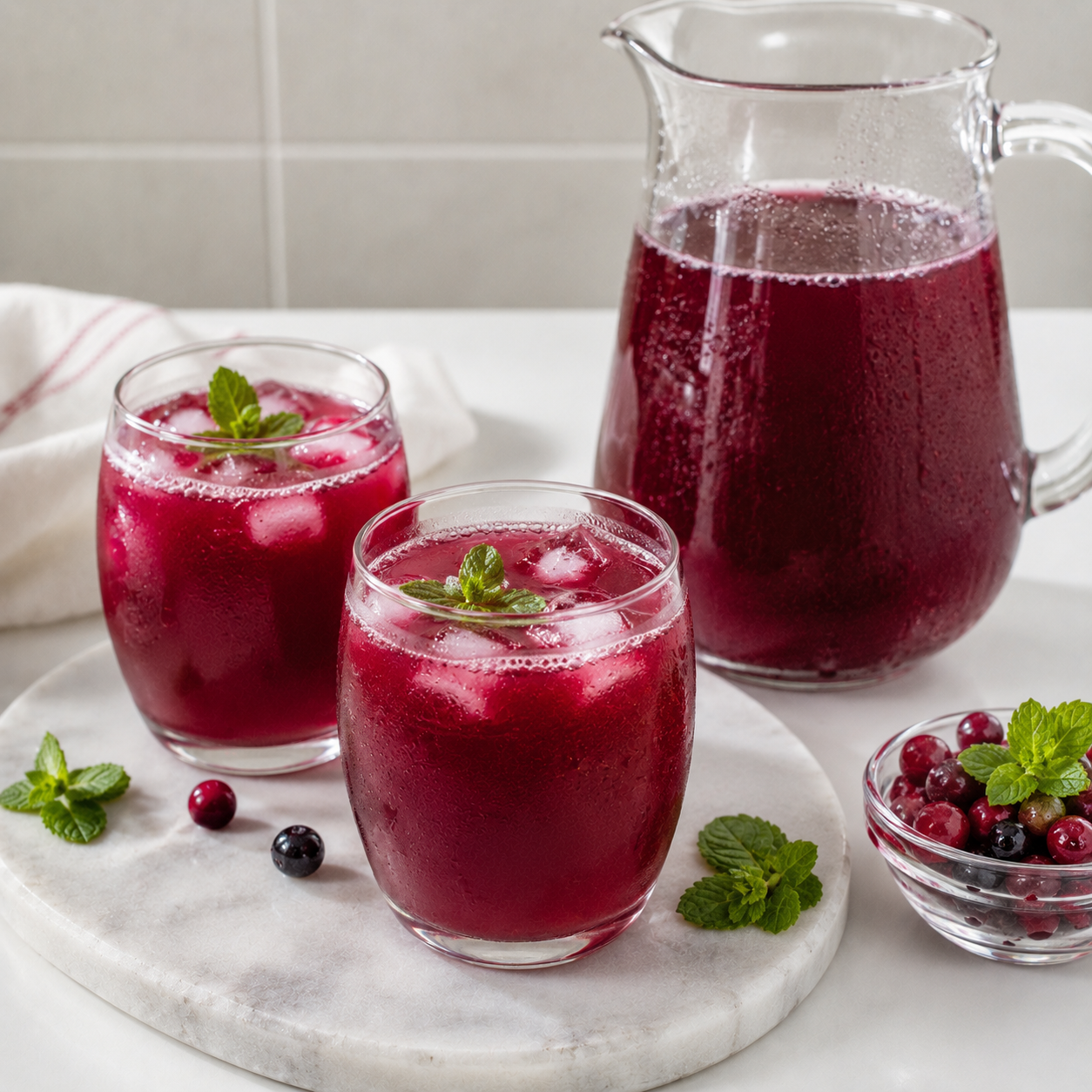
Turkish cuisine is famous for its rich culinary heritage, but its beverage culture is equally impressive. Among the most iconic traditional drinks is Turkish Sherbet, known locally as Şerbet. This refreshing beverage has been enjoyed for centuries throughout the Ottoman Empire and remains a beloved part of Turkish food culture today.
Unlike modern sugary soft drinks, traditional Turkish sherbet is made by infusing fruits, flowers, spices, and herbs into water, often sweetened lightly with sugar or honey. The result is a colorful, aromatic, and naturally refreshing drink that can be served cold during hot summer days or alongside festive meals and special celebrations.
Historically, sherbet occupied an important place in Ottoman society. It was served at palace banquets, weddings, religious holidays, and family gatherings. Different regions developed their own versions using locally available ingredients such as rose petals, hibiscus flowers, tamarind, cherries, pomegranates, quince, cinnamon, cloves, and various dried fruits.
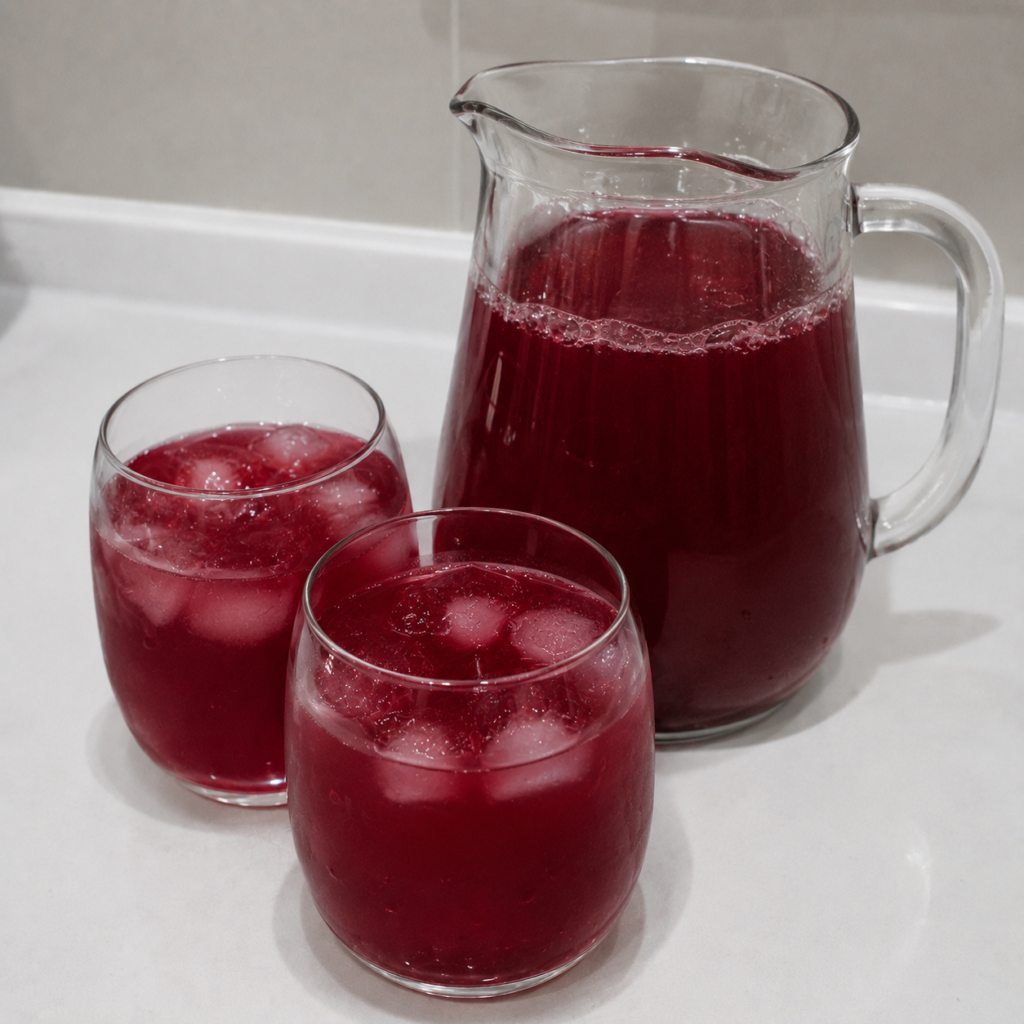
One of the most popular homemade versions combines cherries, dried fruits, and warming spices, creating a beautiful ruby-colored drink that is both refreshing and fragrant. The blend of fruit sweetness and spice complexity makes this beverage unique among traditional drinks.
Today, Turkish sherbet is experiencing renewed popularity as more people seek natural alternatives to commercially produced beverages. Easy to prepare and packed with flavor, this traditional recipe is a wonderful way to bring a taste of Ottoman culinary history into your home.
What Is Turkish Sherbet?
Sherbet is a traditional drink found throughout the Middle East, Central Asia, the Balkans, and parts of South Asia. In Türkiye, however, sherbet evolved into a distinct category of beverages made by simmering fruits, flowers, herbs, and spices in water.
The word “şerbet” originates from the Arabic word “sharba,” meaning “a drink.” Over centuries, Ottoman cooks refined countless sherbet recipes, creating beverages that ranged from sweet and floral to tart and refreshing.
Unlike syrup-based drinks, authentic Turkish sherbet is generally lighter and more delicate. The ingredients are gently simmered to extract their flavors without creating an overly concentrated result.
Traditional sherbets were often believed to have cooling or soothing properties and were commonly served during Ramadan, weddings, and major celebrations.
Why You’ll Love This Recipe
There are many reasons to fall in love with homemade Turkish sherbet:
- Naturally refreshing and aromatic
- Easy to prepare with simple ingredients
- Beautiful deep ruby-red color
- Rich cherry flavor
- Perfect for summer gatherings
- Can be prepared ahead of time
- A wonderful alternative to soft drinks
- Rich in traditional Ottoman flavors
- Suitable for serving at parties and holidays
The combination of cherries, dried fruits, and spices creates a drink that feels both comforting and refreshing at the same time.
Recipe
- Prep Time: 15 minutes
- Cook Time: 30 minutes
- Cooling Time: 2 hours
- Total Time: 2 hours 45 minutes
- Servings: 8 servings
- Difficulty: Easy
Ingredients
For the Sherbet
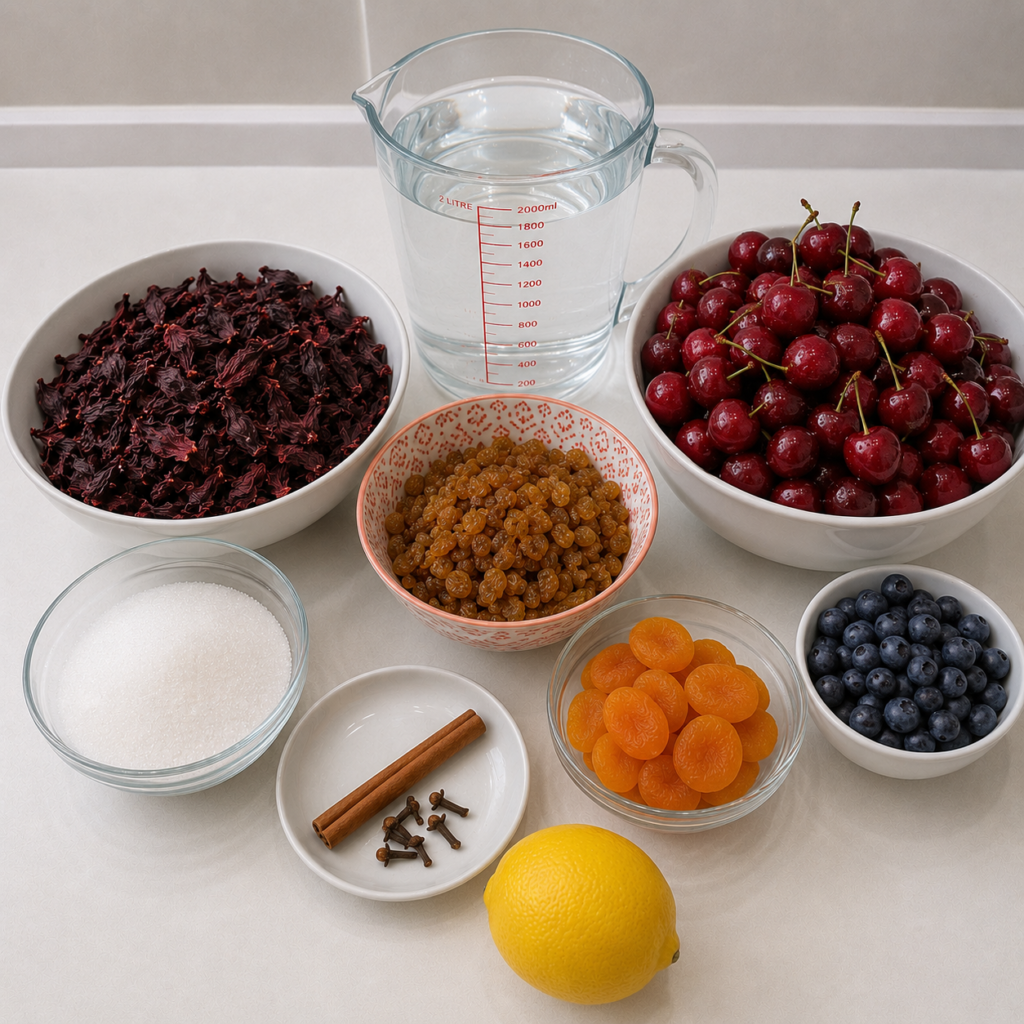
- 2 liters water
- 500 g cherries, pitted
- 1 cup dried hibiscus flowers
- 1/2 cup dried raisins
- 1/2 cup dried apricots, chopped
- 1 small cinnamon stick
- 4 whole cloves
- 1 cup granulated sugar
- Juice of 1 lemon
Optional Garnishes
- Lemon slices
- Fresh mint leaves
- Ice cubes
- Fresh cherries
Instructions
Step 1: Prepare the Ingredients
Wash and pit the cherries. Measure all remaining ingredients before starting. If the dried apricots are large, chop them into smaller pieces so they release their flavor more effectively during cooking. Briefly rinse the dried fruits under cold water to remove any dust or impurities.
Step 2: Add Everything to the Pot
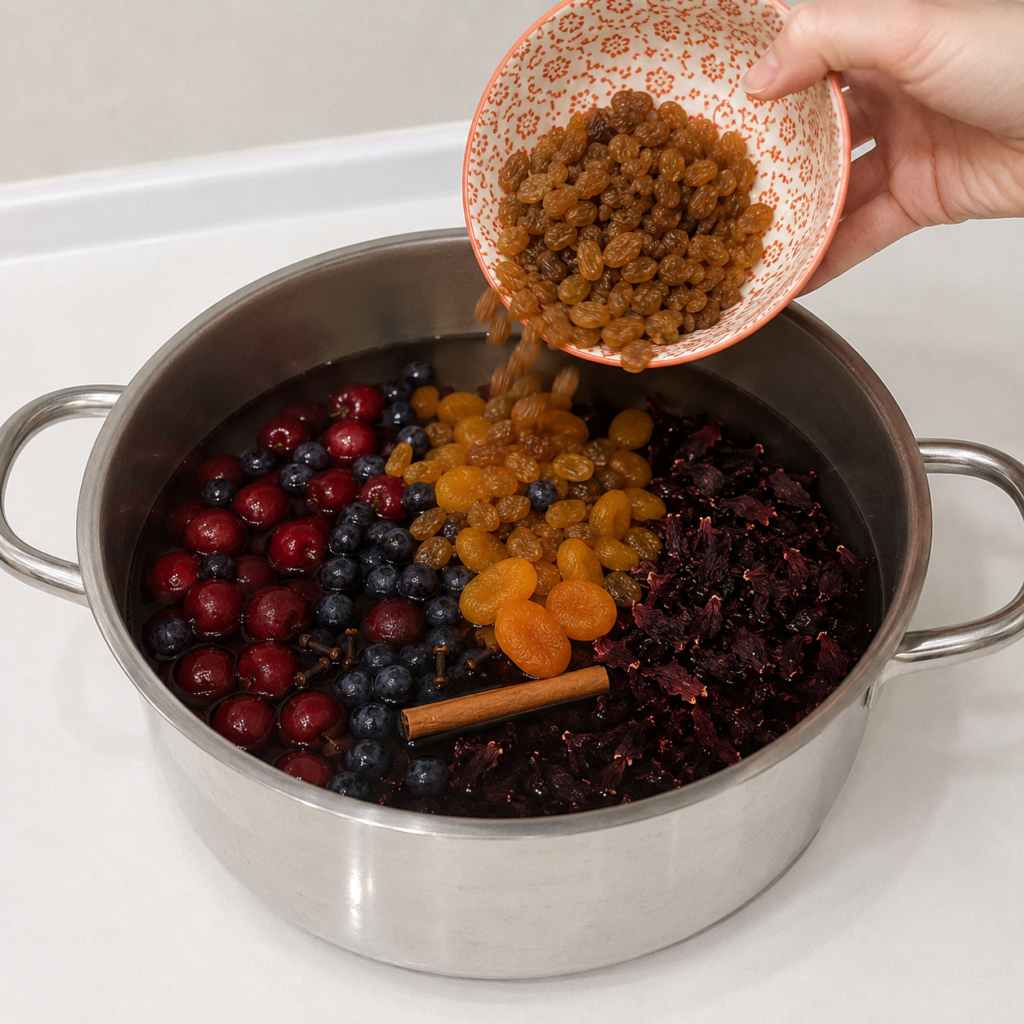
Pour the water into a large saucepan and add the cherries, hibiscus flowers, raisins, chopped apricots, cinnamon stick, and cloves. Stir gently to distribute the ingredients evenly throughout the liquid.
Step 3: Bring to a Boil
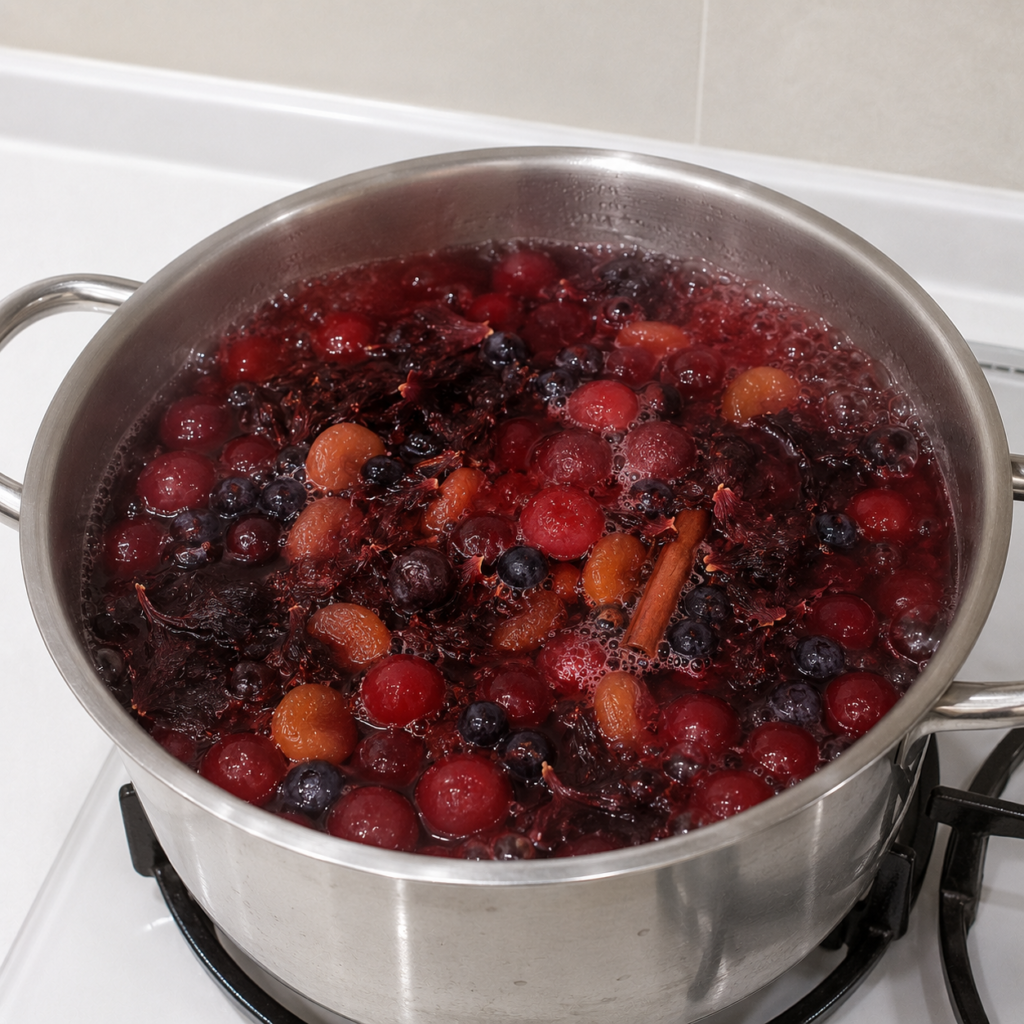
Place the saucepan over medium-high heat and bring the mixture to a gentle boil. As it heats, the cherries and hibiscus will give the water a deep ruby-red color while the aroma of cinnamon and cloves fills the kitchen.
Step 4: Simmer the Sherbet
Reduce the heat to low and allow the mixture to simmer gently for 25 to 30 minutes. During this time, the cherries and dried fruits soften and release their sweetness while the spices infuse the liquid with rich flavor and fragrance.
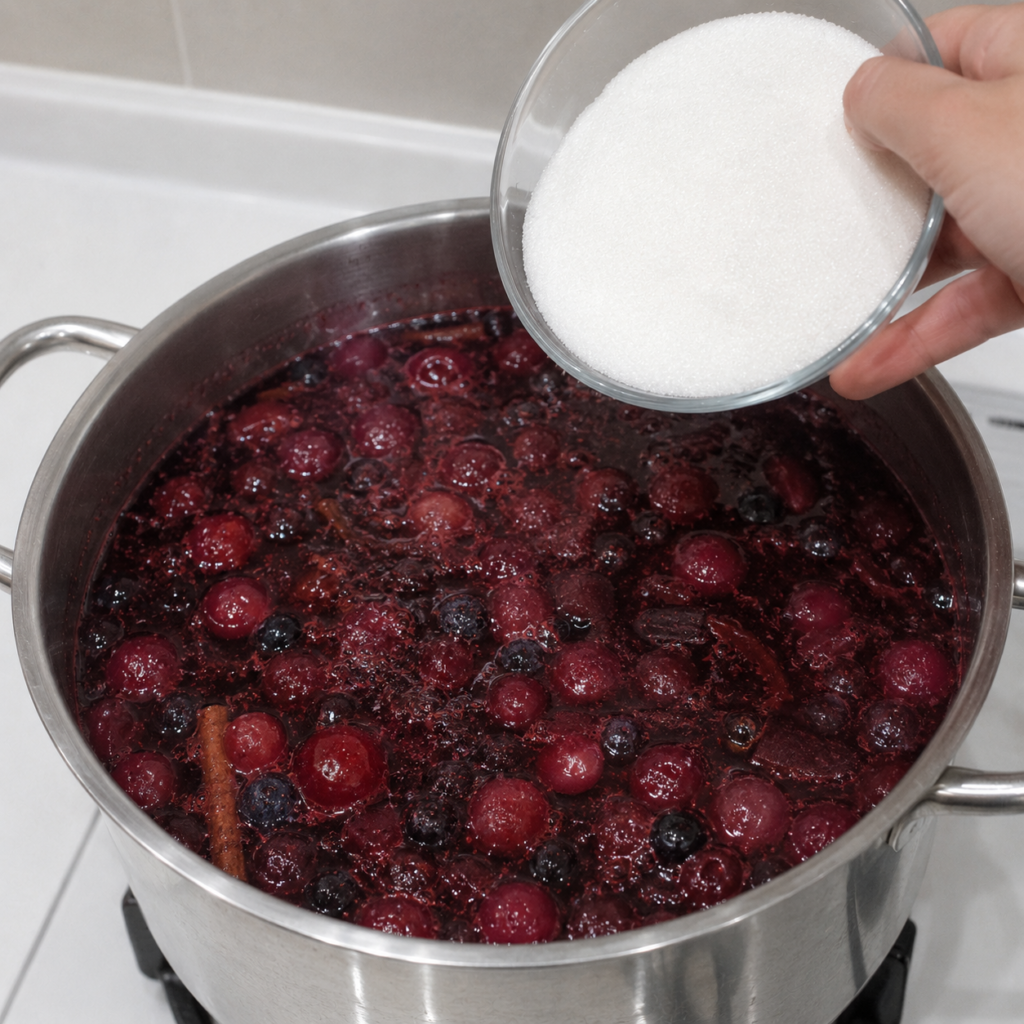
Step 5: Sweeten the Mixture
Add the granulated sugar and stir until it dissolves completely. Taste the sherbet and adjust the sweetness if desired. Traditional sherbet is pleasantly sweet without being overly sugary.
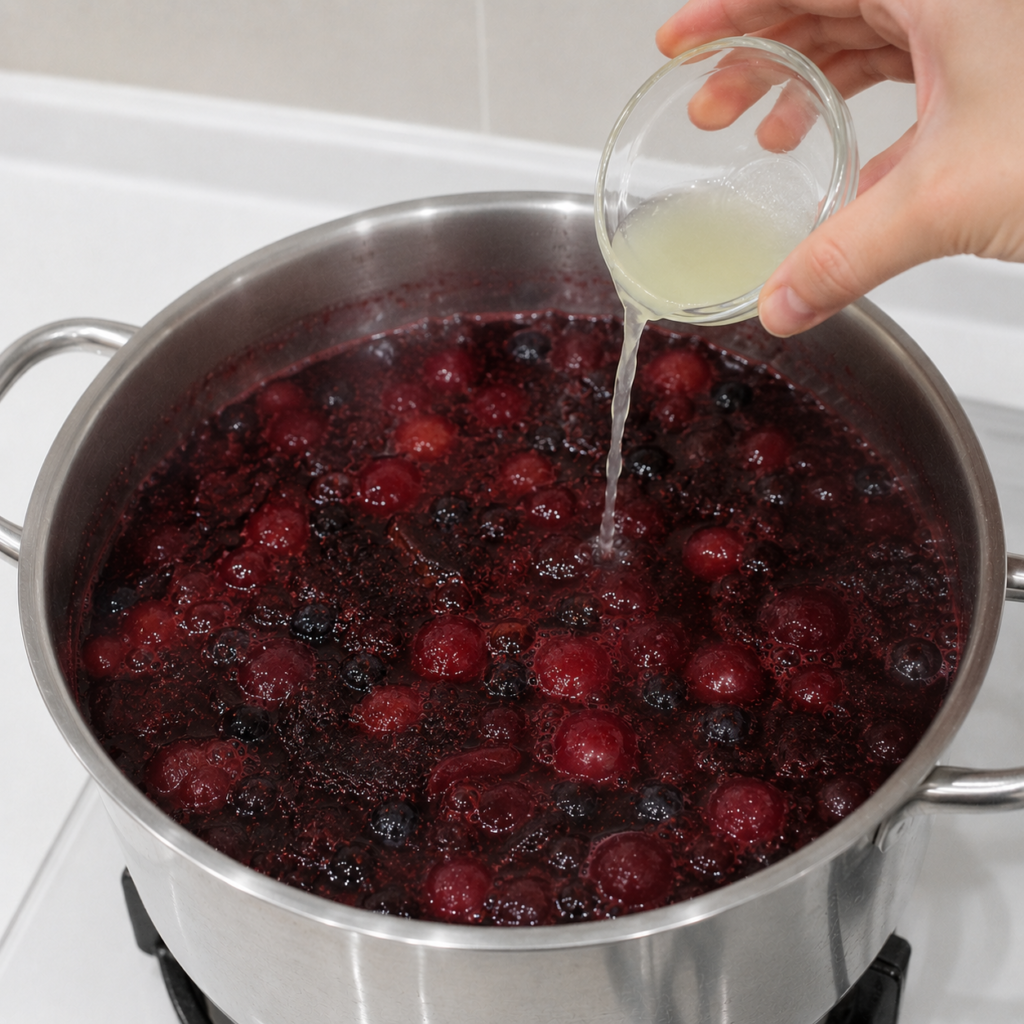
Step 6: Add Lemon Juice
Remove the saucepan from the heat and stir in the freshly squeezed lemon juice. The lemon adds brightness and balances the sweetness of the cherries, dried fruits, and sugar.
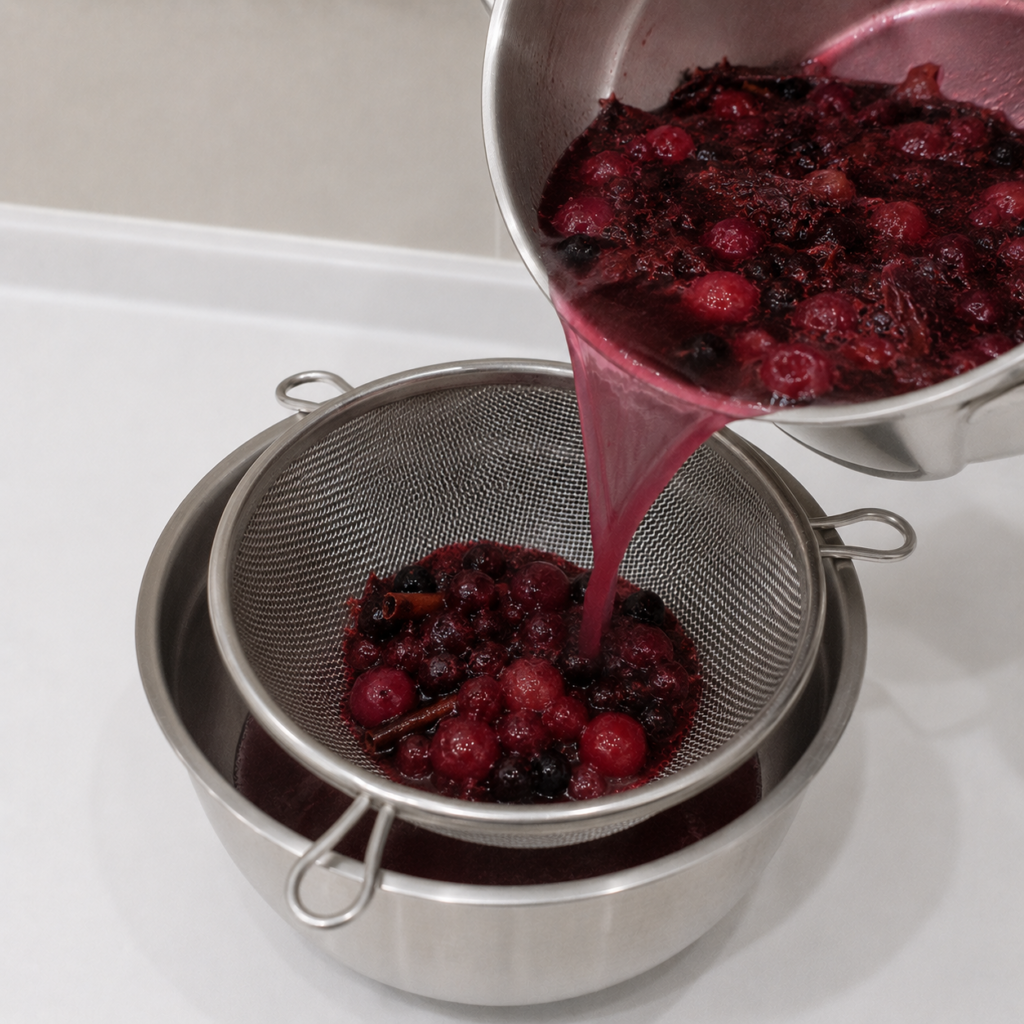
Step 7: Strain the Sherbet
Place a fine-mesh strainer over a large bowl or pitcher and carefully pour the mixture through it. Discard the solids or save the softened fruit for another use. The strained liquid should be smooth, clear, and beautifully colored.
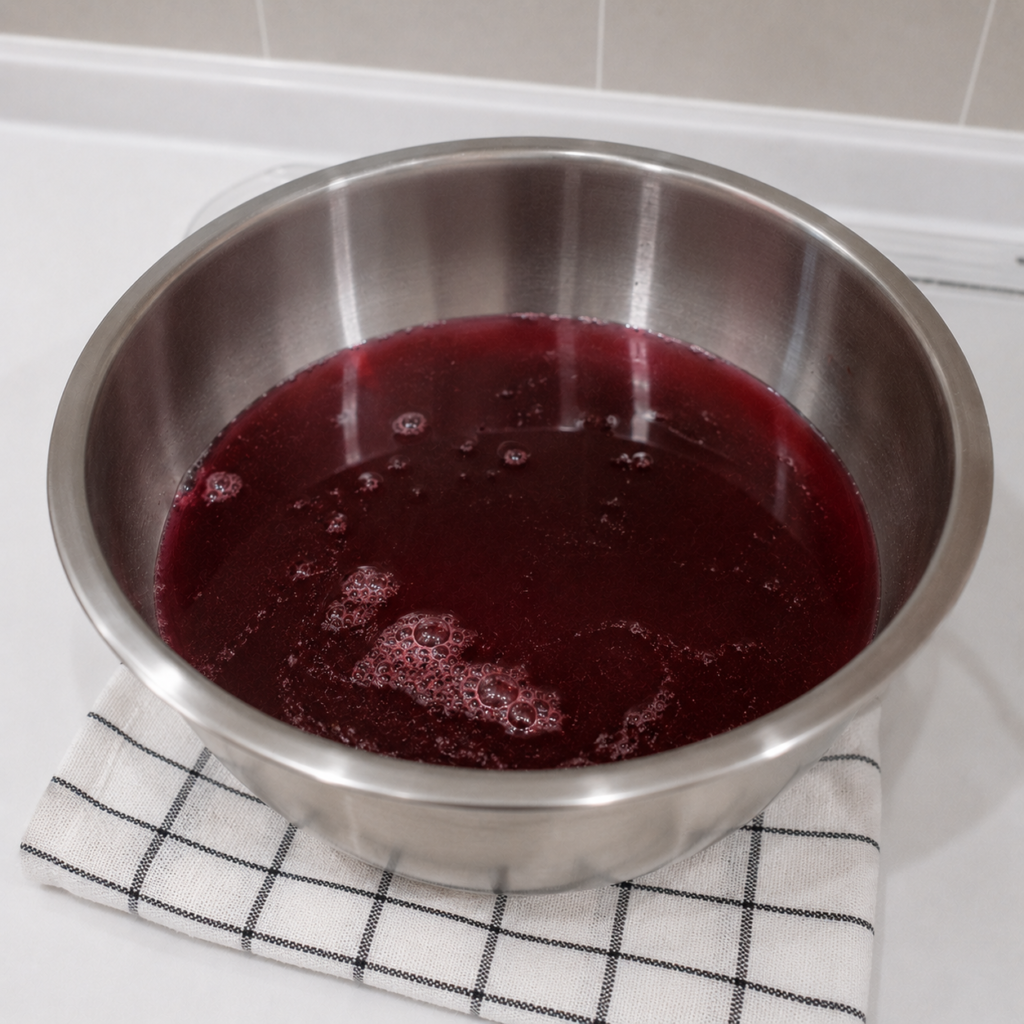
Step 8: Cool Completely
Allow the sherbet to cool to room temperature before transferring it to the refrigerator. Chill for at least 2 hours, or until thoroughly cold. Proper chilling enhances both the flavor and refreshing quality of the drink.
Step 9: Serve
Fill serving glasses with ice cubes if desired and pour in the chilled sherbet. Garnish with fresh mint leaves, lemon slices, or fresh cherries for an attractive presentation and extra freshness. Serve immediately.
The History of Sherbet in Ottoman Cuisine
Sherbet occupied a special place within Ottoman culinary traditions.
In palace kitchens, professional cooks prepared dozens of varieties using ingredients sourced from across the empire. Some recipes featured exotic spices imported from distant regions, while others highlighted seasonal fruits harvested locally.
Cherry sherbet was particularly popular during the summer months when fresh cherries were abundant. Its vibrant color and refreshing taste made it a favorite at gatherings and celebrations.
Sherbet was more than a beverage—it was part of Ottoman hospitality. Guests were frequently welcomed with a glass of sherbet as a sign of respect and generosity.
Special sherbets were prepared for weddings, births, religious celebrations, and important ceremonies. Certain recipes even became associated with specific occasions and regions.
Today, many of these traditions survive in Turkish homes and restaurants, keeping centuries-old culinary customs alive.
Things to Consider
Use Fresh Cherries
Fresh, ripe cherries provide the best flavor and color.
If fresh cherries are unavailable, frozen cherries can also be used.
Use Good Quality Hibiscus
Hibiscus contributes additional color and tartness.
Fresh, vibrant hibiscus flowers create the most attractive appearance and flavor.
Don’t Overboil
Excessive boiling can make the drink taste slightly bitter.
A gentle simmer produces the best results.
Adjust Sweetness to Taste
Some families prefer a sweeter sherbet while others enjoy a more tart version.
Feel free to adjust the sugar level according to your preference.
Chill Thoroughly
Sherbet tastes best when served cold.
Allow sufficient chilling time before serving.
Use Fresh Lemon Juice
Freshly squeezed lemon juice provides significantly better flavor than bottled alternatives.
Flavor Variations
One of the wonderful aspects of Turkish sherbet is its versatility.
Try experimenting with:
Pomegranate Sherbet
Replace part of the water with pomegranate juice for a fruity and vibrant variation.
Rose Sherbet
Incorporate food-grade dried rose petals for a floral Ottoman-inspired version.
Sour Cherry Sherbet
Use sour cherries instead of sweet cherries for a tangier drink.
Tamarind Sherbet
A classic Ottoman favorite featuring tamarind pulp and warming spices.
Mixed Fruit Sherbet
Combine cherries with dried figs, apricots, raisins, and prunes for additional depth.
Serving Suggestions
Turkish sherbet pairs beautifully with many traditional foods.
Serve alongside:
- Turkish börek
- Stuffed grape leaves
- Kebabs
- Pilaf dishes
- Baklava
- Turkish delight
- Eid celebrations
- Ramadan iftar meals
- Summer picnics
- Garden parties
Its refreshing character makes it particularly enjoyable during warm weather.
Storage
Store sherbet in a covered glass pitcher or airtight container in the refrigerator.
It will remain fresh for up to 5 days.
Stir before serving if any natural sediment settles at the bottom.
The flavor often improves after resting overnight as the ingredients continue to meld together.
Tips for the Best Turkish Sherbet
- Use ripe, flavorful cherries.
- Use filtered water for the cleanest flavor.
- Chill overnight for maximum flavor development.
- Add extra lemon for a brighter finish.
- Serve in clear glasses to showcase the beautiful color.
- Use large ice cubes to prevent excessive dilution.
- Experiment with different dried fruits.
- Garnish with fresh mint or cherries for extra freshness.
- Make a double batch for parties and gatherings.
Final Thoughts
Traditional Turkish Sherbet is far more than a refreshing drink—it is a piece of culinary history that has been enjoyed for centuries. This cherry-based version, enriched with hibiscus, dried fruits, and fragrant spices, perfectly reflects the elegance and hospitality of Ottoman cuisine.
Whether served at a family gathering, holiday celebration, or simply enjoyed on a warm afternoon, this homemade sherbet offers a unique alternative to modern soft drinks. Its balance of sweetness, tartness, and aromatic spices creates a memorable beverage that is both refreshing and deeply rooted in tradition.
Once you prepare a batch of authentic cherry sherbet at home, you’ll understand why this timeless drink has remained a cherished part of Turkish culture for generations.
Afiyet olsun!