
 By Fatih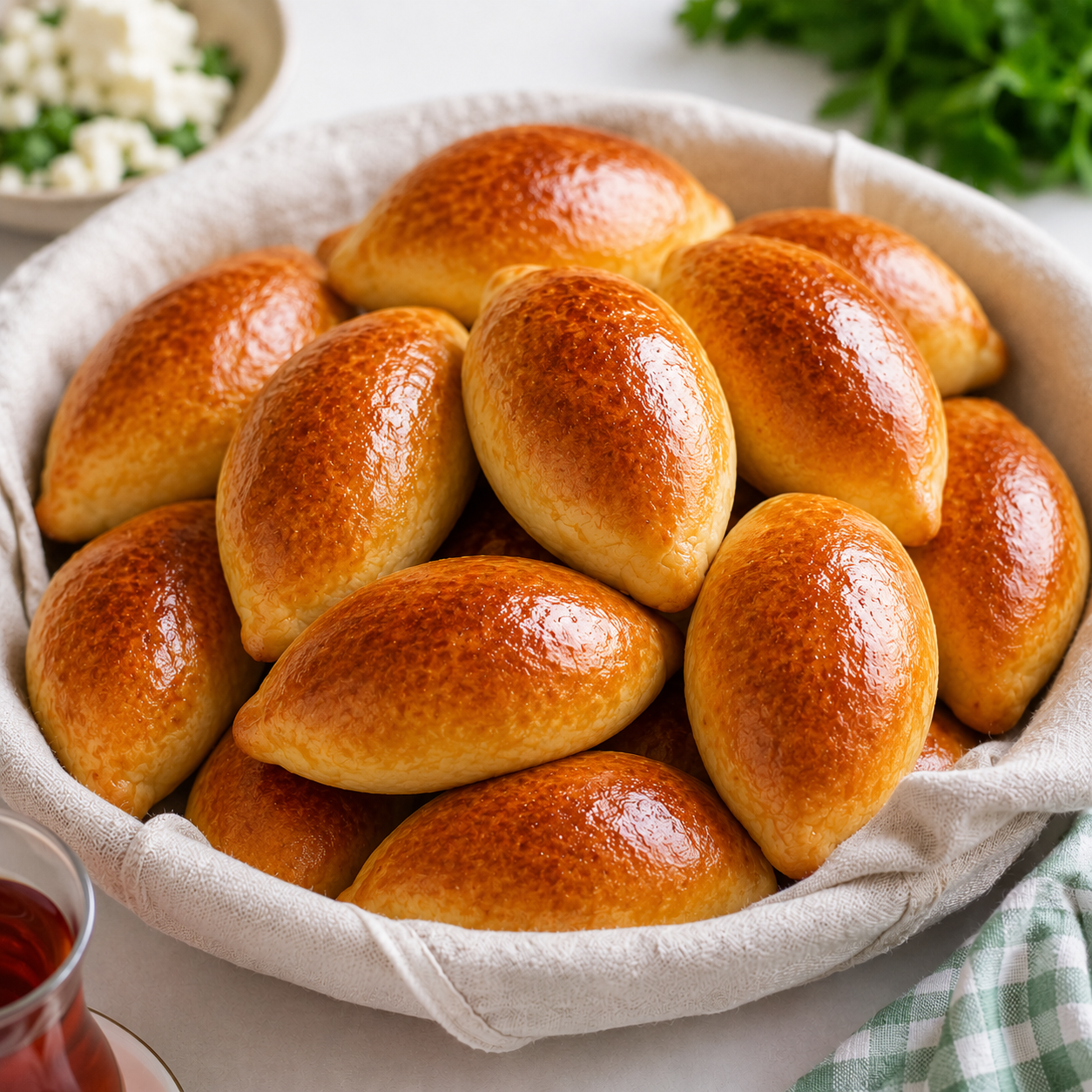
Few baked goods are as beloved in Turkish cuisine as Poğaça. These soft, fluffy buns are a staple of Turkish breakfasts, tea gatherings, school lunchboxes, and bakery displays throughout the country. Whether enjoyed fresh from the oven in the morning or served alongside a glass of Turkish tea in the afternoon, poğaça remains one of Türkiye’s most comforting and popular baked treats.
Poğaça comes in many varieties. Some are filled with cheese, while others contain potatoes, olives, minced meat, or herbs. Certain versions are made with yeast for extra softness, while others rely on yogurt and baking powder for a quicker preparation. The version featured here is the classic bakery-style yeast poğaça filled with Turkish white cheese and parsley.
What makes Turkish poğaça special is its incredibly soft texture. Unlike crusty bread rolls, poğaça has a tender crumb and a rich dough thanks to ingredients such as milk, yogurt, butter, and oil. The result is a bun that remains soft for days and tastes wonderful both warm and at room temperature.
These buns are perfect for breakfast spreads, brunch tables, picnics, road trips, or afternoon snacks. They can also be frozen and reheated whenever needed, making them a practical addition to any baker’s recipe collection.
Recipe
- Prep Time: 30 minutes
- Rise Time: 1 hour 30 minutes
- Bake Time: 20-25 minutes
- Total Time: Approximately 2 hours 30 minutes
- Servings: 16 poğaça
- Difficulty: Intermediate
Ingredients
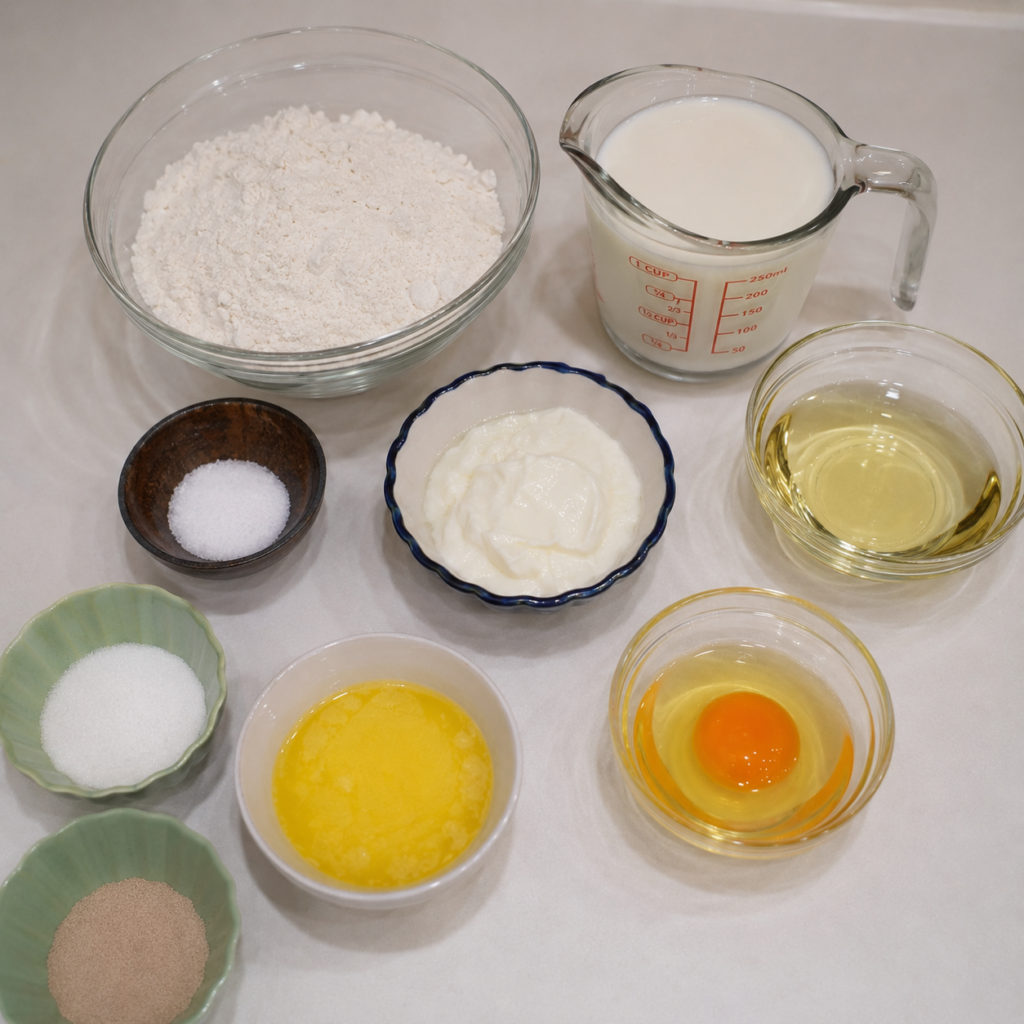
For the Dough
- 500 g all-purpose flour (plus extra if needed)
- 240 ml warm milk
- 120 g plain yogurt
- 100 ml vegetable oil
- 60 g unsalted butter, melted
- 1 large egg
- 7 g instant yeast
- 1 tablespoon sugar
- 1 teaspoon salt
For the Cheese Filling
- 200 g Turkish white cheese (or feta cheese)
- 2 tablespoons chopped fresh parsley
For the Egg Wash
- 1 egg yolk
- 1 tablespoon milk
For Topping
- Sesame seeds
- Nigella seeds (optional)
Instructions
Step 1: Activate the Yeast
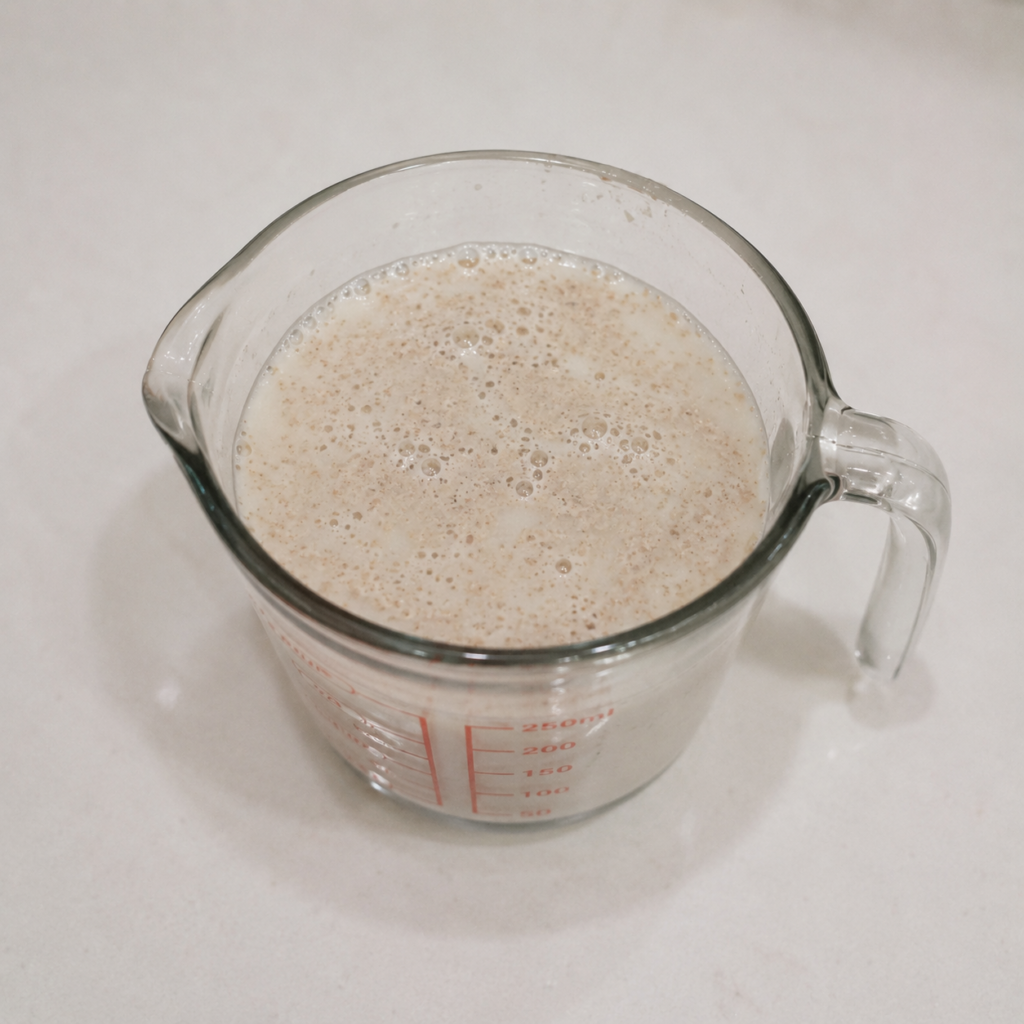
Pour the warm milk into a large mixing bowl.
Add the sugar and instant yeast.
Stir gently and let the mixture rest for 5 minutes.
The yeast should begin to activate and become slightly foamy.
Step 2: Mix the Wet Ingredients
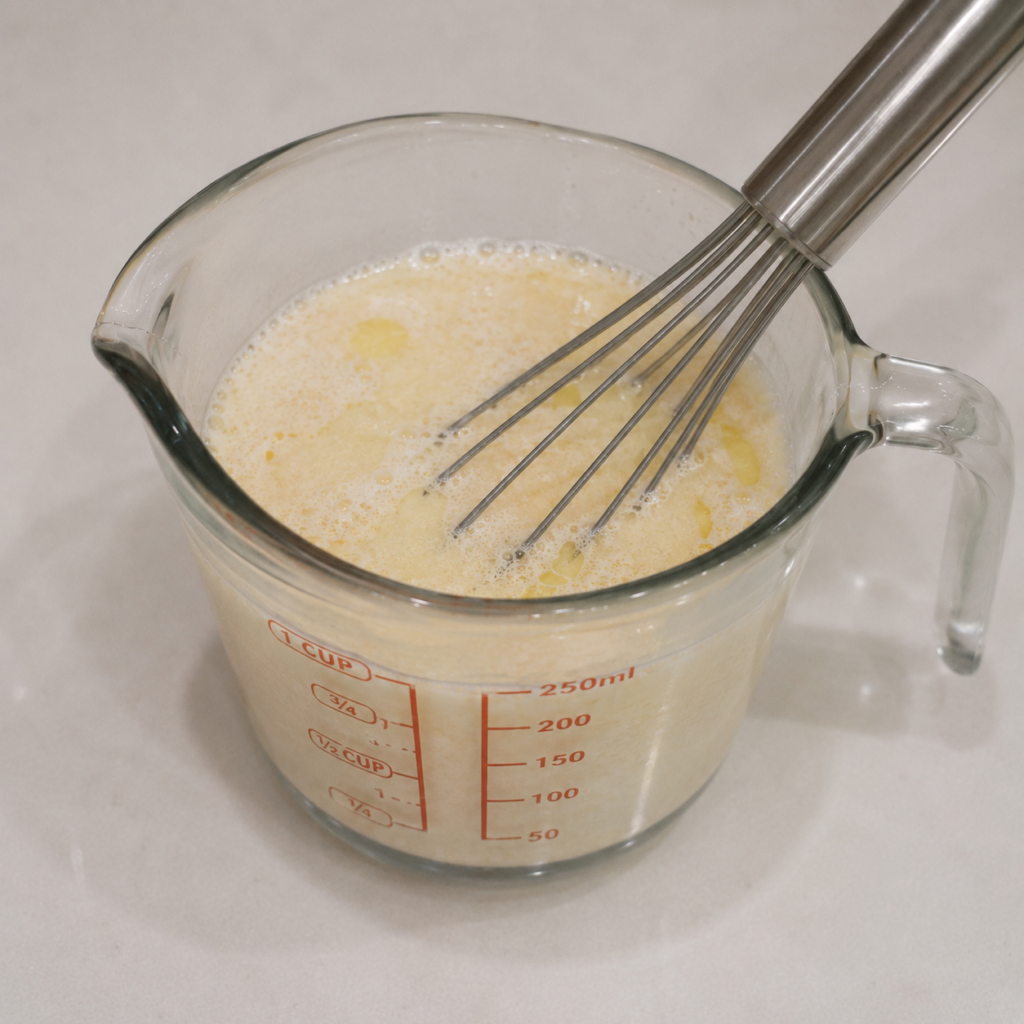
Add the yogurt, vegetable oil, melted butter, and egg to the yeast mixture.
Whisk until everything is fully combined.
The mixture should appear smooth and creamy.
Step 3: Add the Dry Ingredients
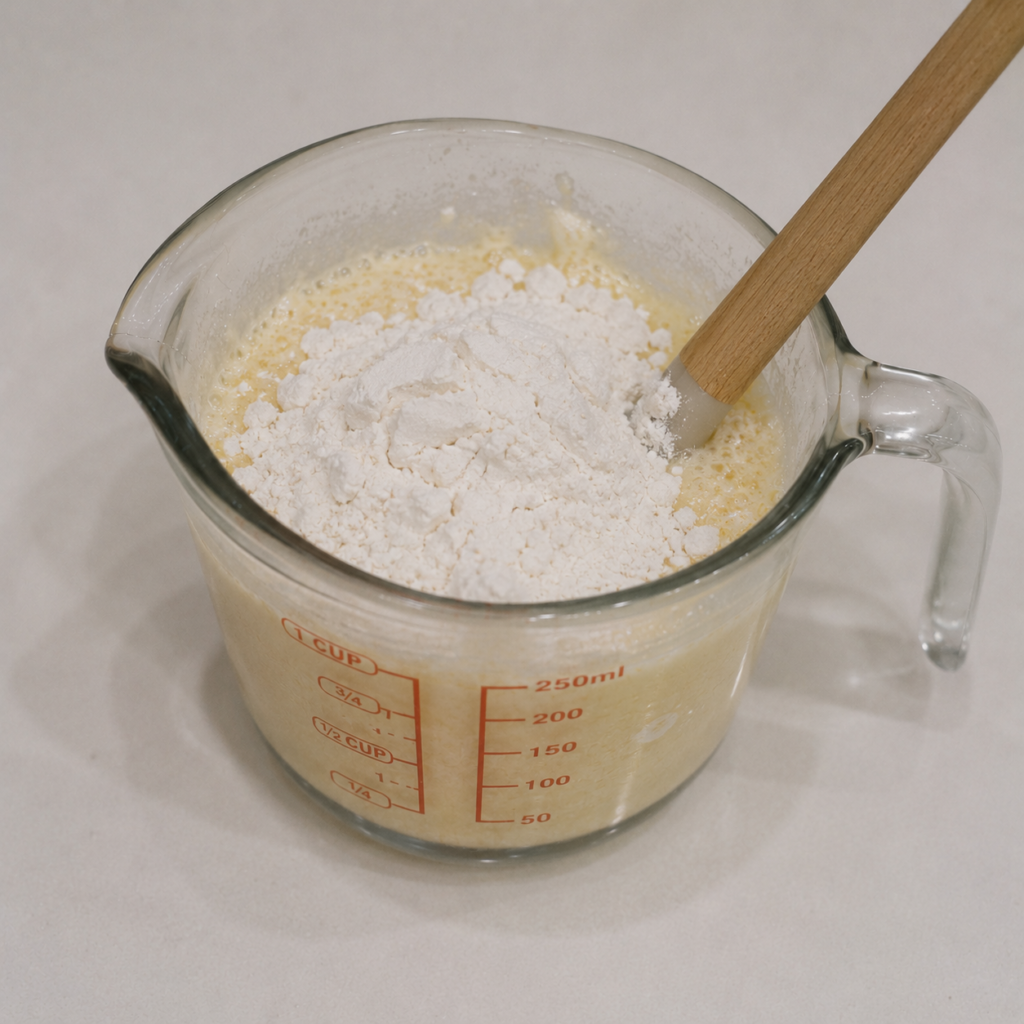
Gradually add the flour and salt.
Mix with a wooden spoon or dough scraper until a shaggy dough begins to form.
Continue adding flour only as needed.
Step 4: Knead the Dough
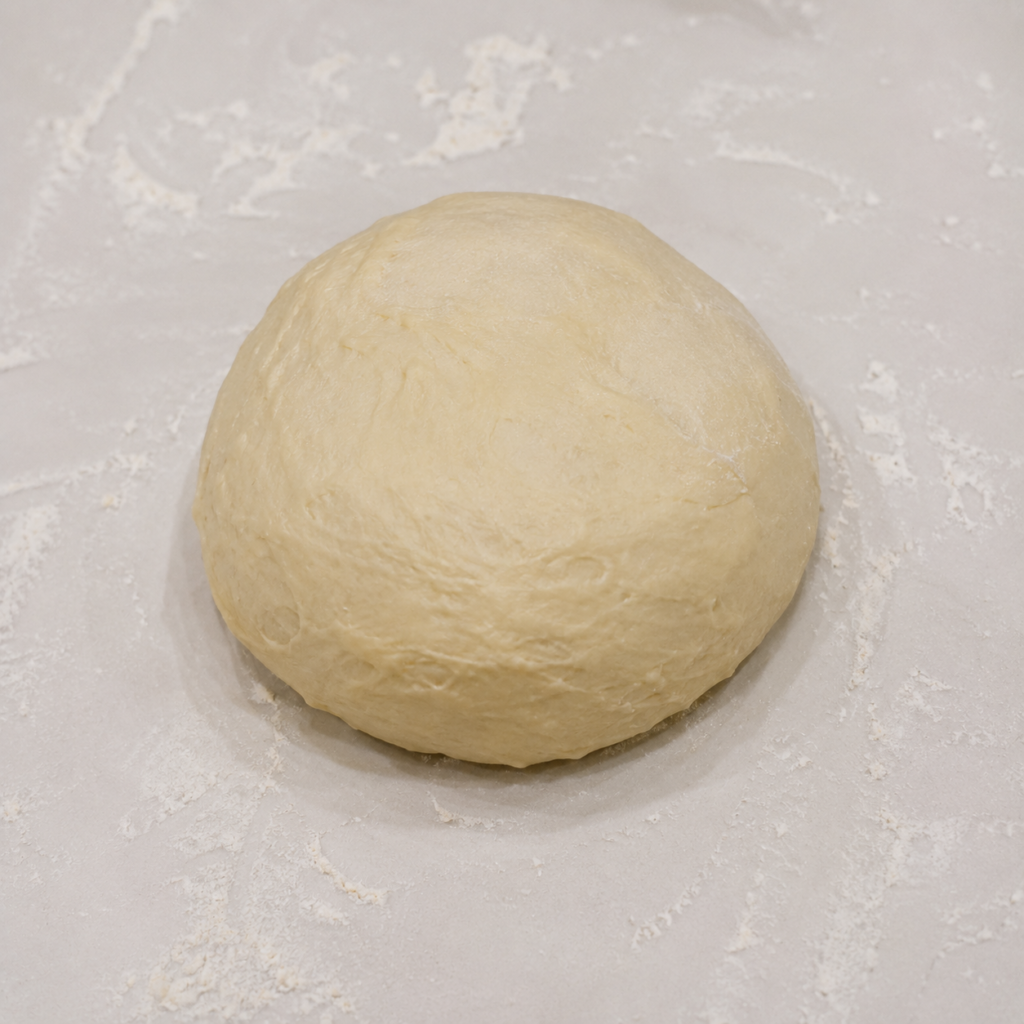
Transfer the dough to a lightly floured surface.
Knead for 8 to 10 minutes until smooth and elastic.
The dough should feel soft and slightly tacky but not sticky.
Avoid adding excessive flour, as this can make the poğaça dense.
Step 5: First Rise
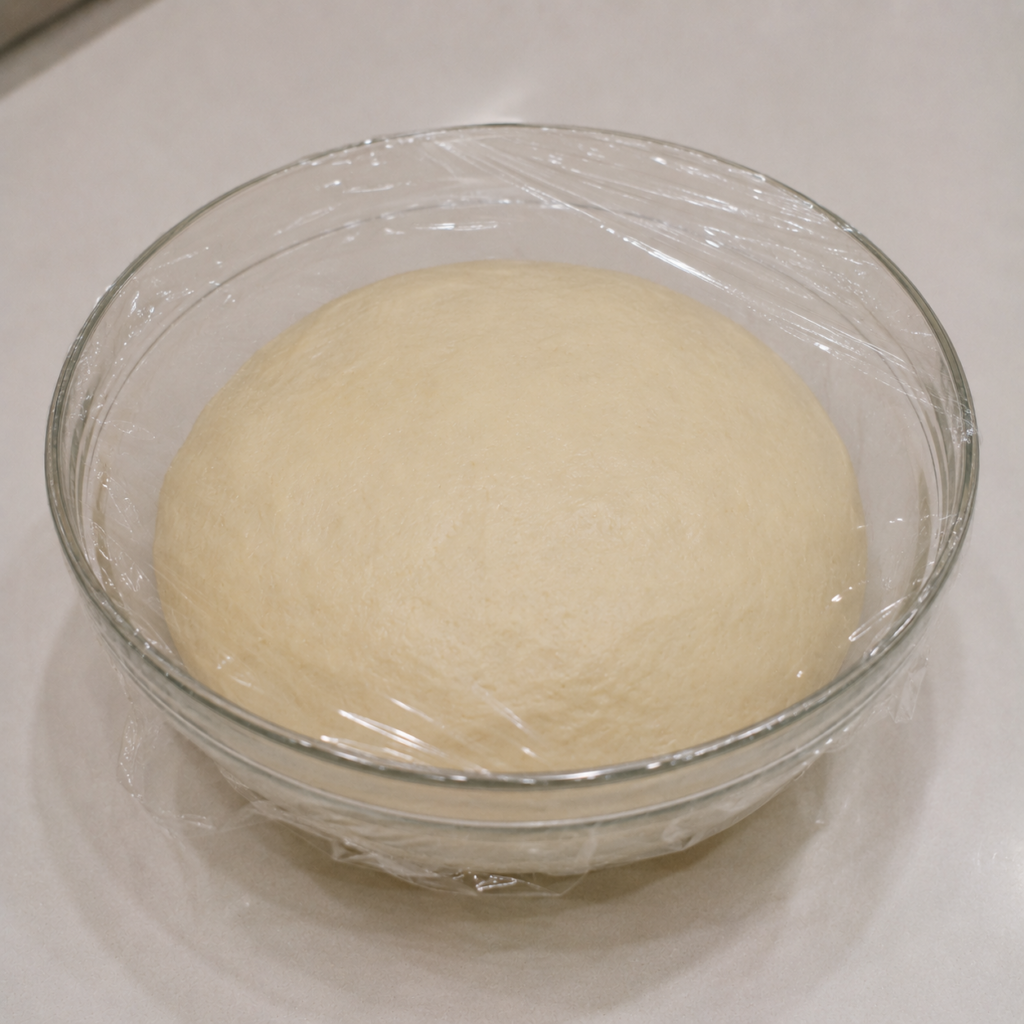
Place the dough in a lightly greased bowl.
Cover with plastic wrap or a clean kitchen towel.
Let rise in a warm place for approximately 1 hour or until doubled in size.
Step 6: Prepare the Filling
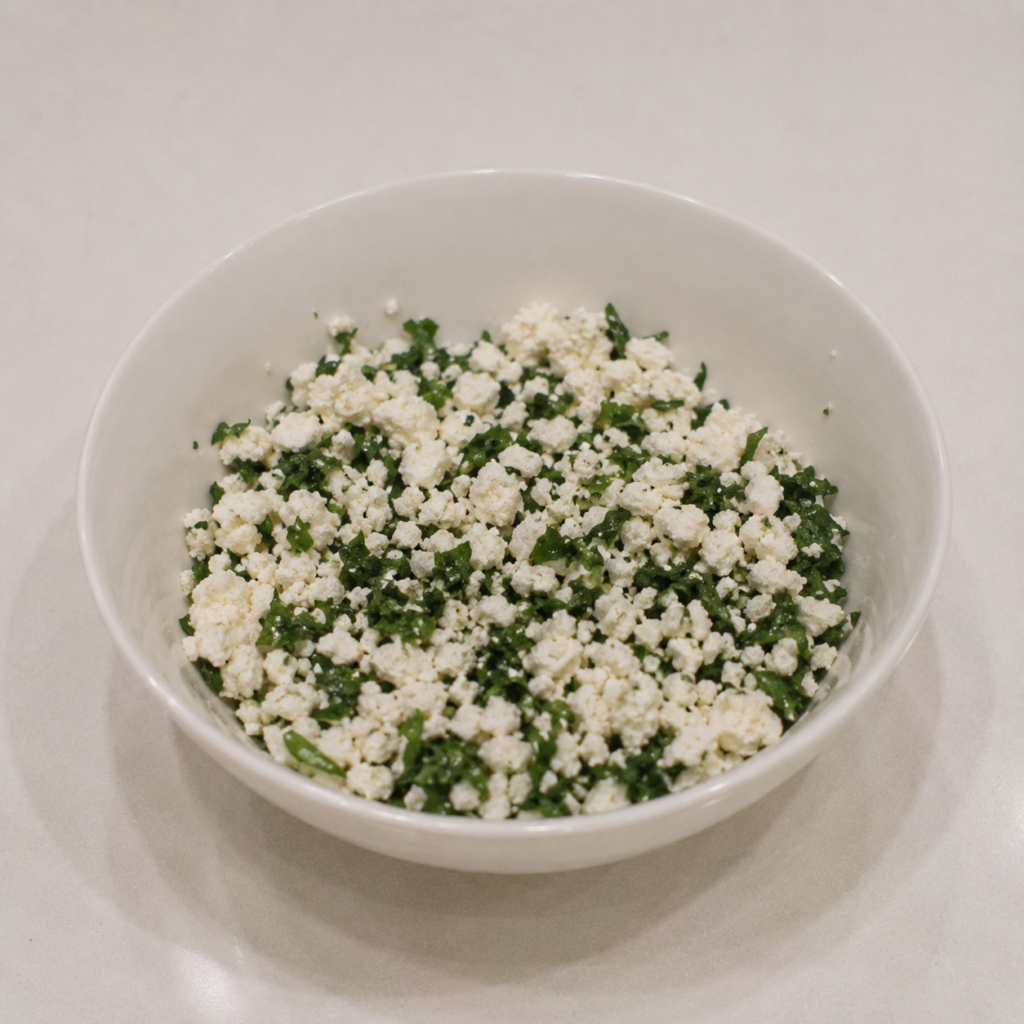
While the dough rises, crumble the white cheese into a bowl.
Add the chopped parsley.
Mix gently until evenly combined.
Set aside.
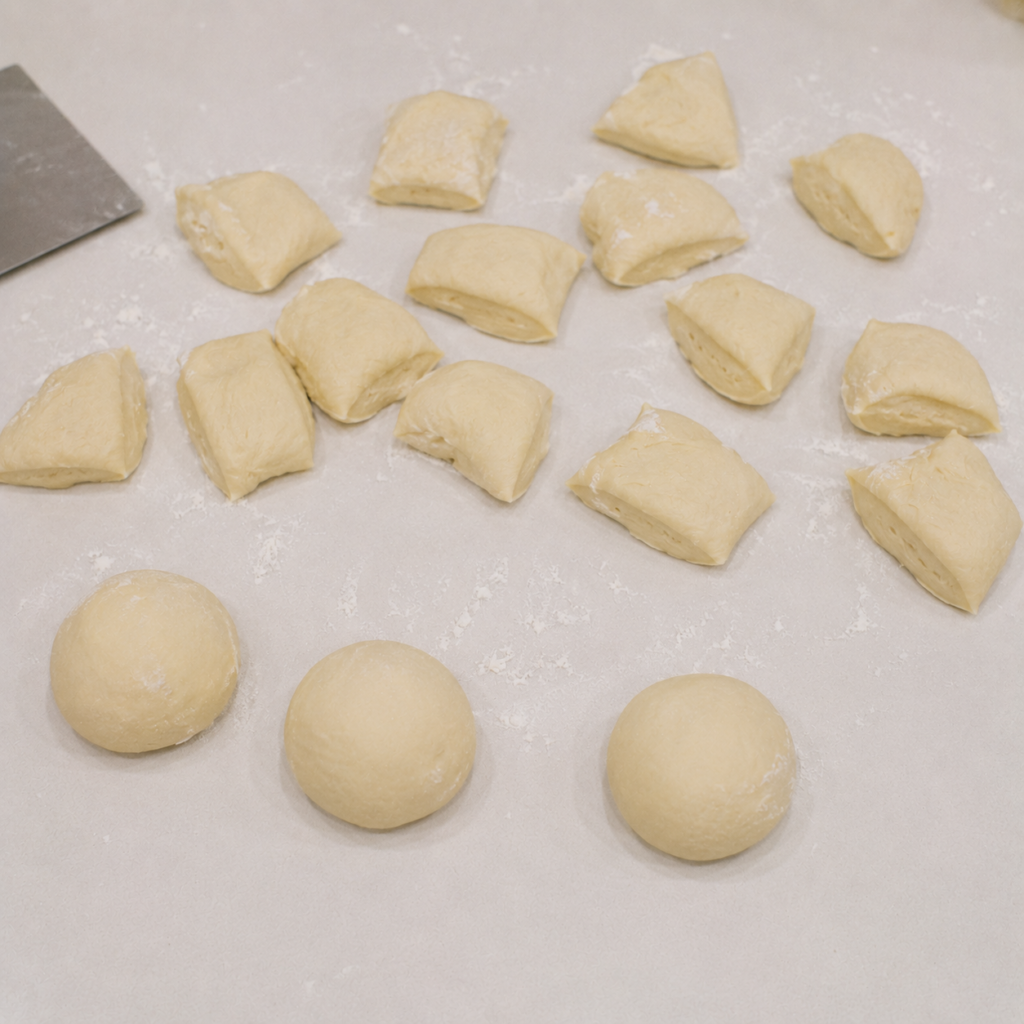
Step 7: Divide the Dough
Once risen, transfer the dough to a work surface.
Divide into 16 equal portions.
Roll each portion into a smooth ball.
Step 8: Fill the Poğaça
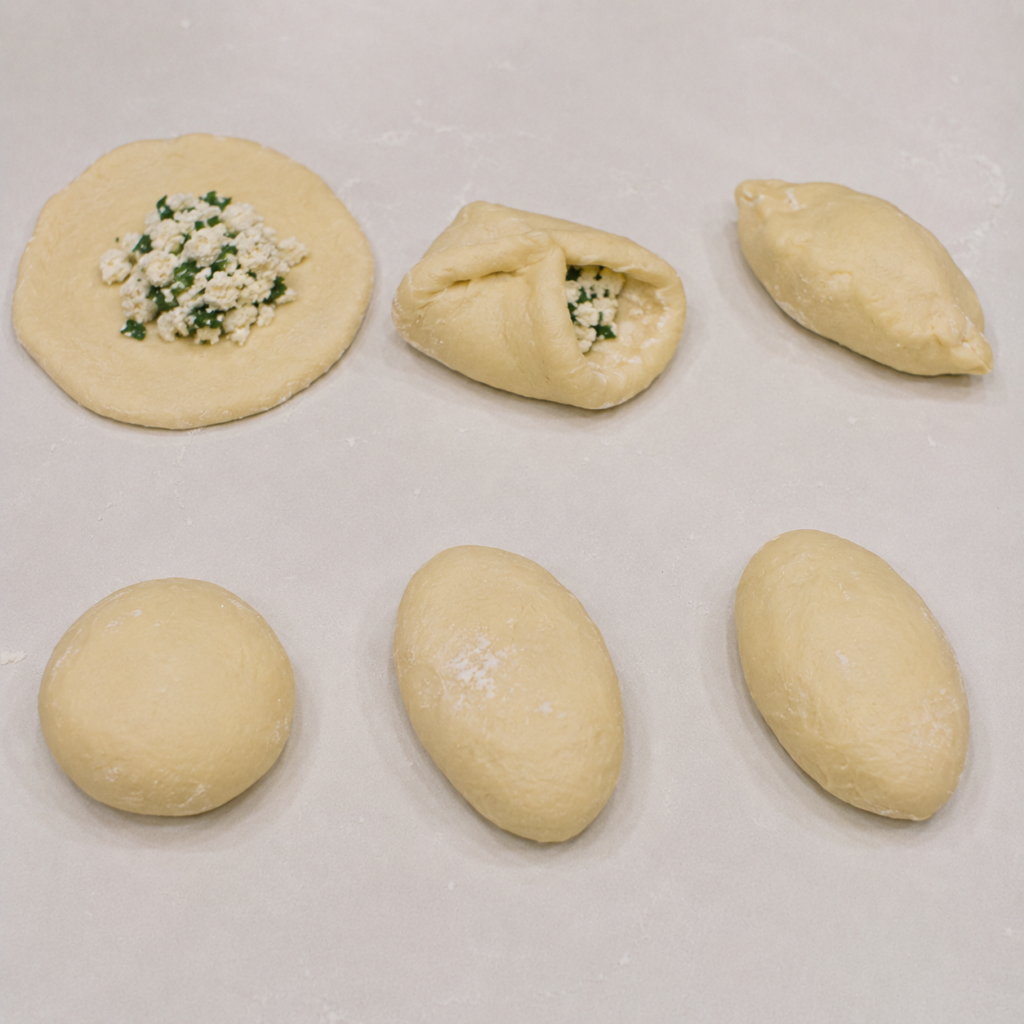
Flatten each dough ball into a small circle.
Place a spoonful of cheese filling in the center.
Fold the dough over the filling and seal the edges carefully.
Shape into an oval or round bun.
Repeat with the remaining dough.
Step 9: Second Rise
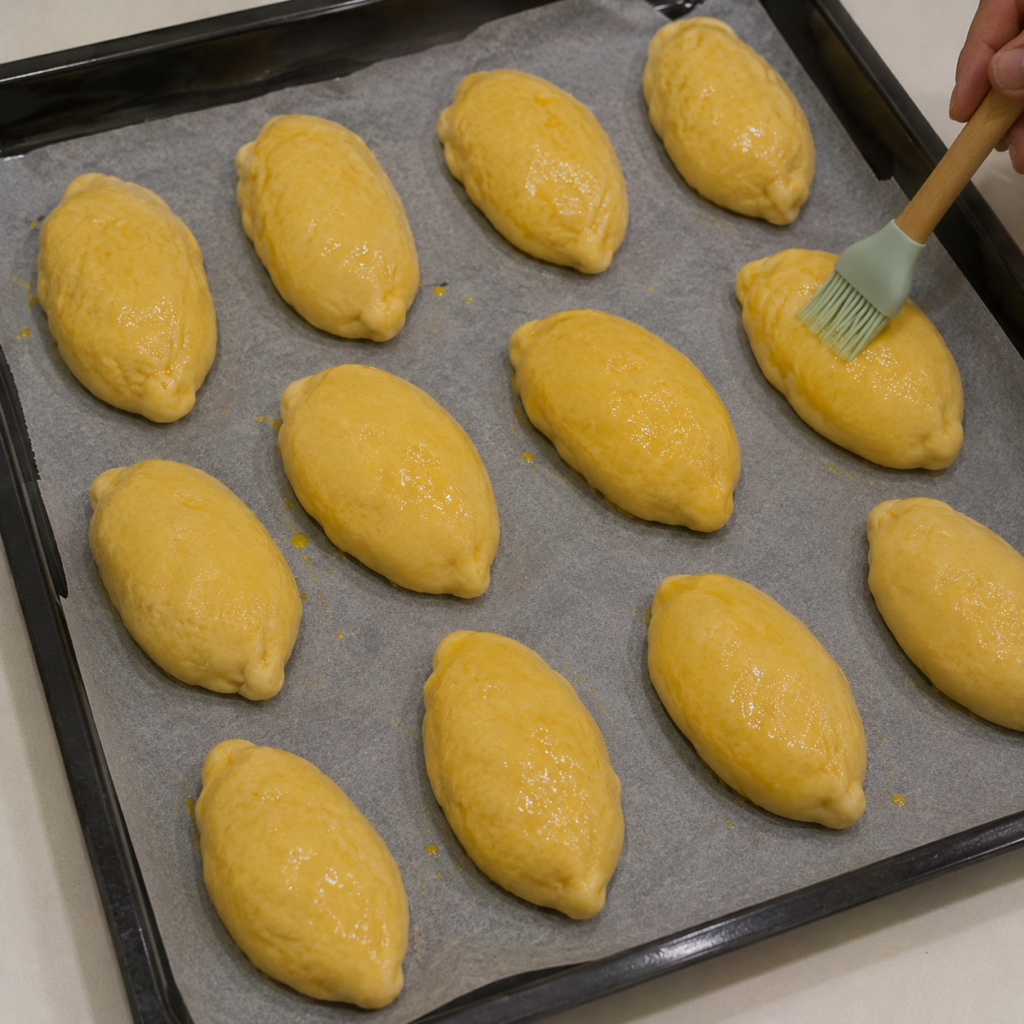
Arrange the shaped buns on a baking tray lined with parchment paper.
Leave space between each piece.
Cover loosely and allow them to rise for another 30 minutes.
This second rise is essential for achieving a light texture.
Step 10: Apply Egg Wash
Whisk together the egg yolk and milk.
Brush generously over each bun.
Sprinkle with sesame seeds, nigella seeds, or both.
Step 11: Bake
Preheat the oven to 190°C (375°F).
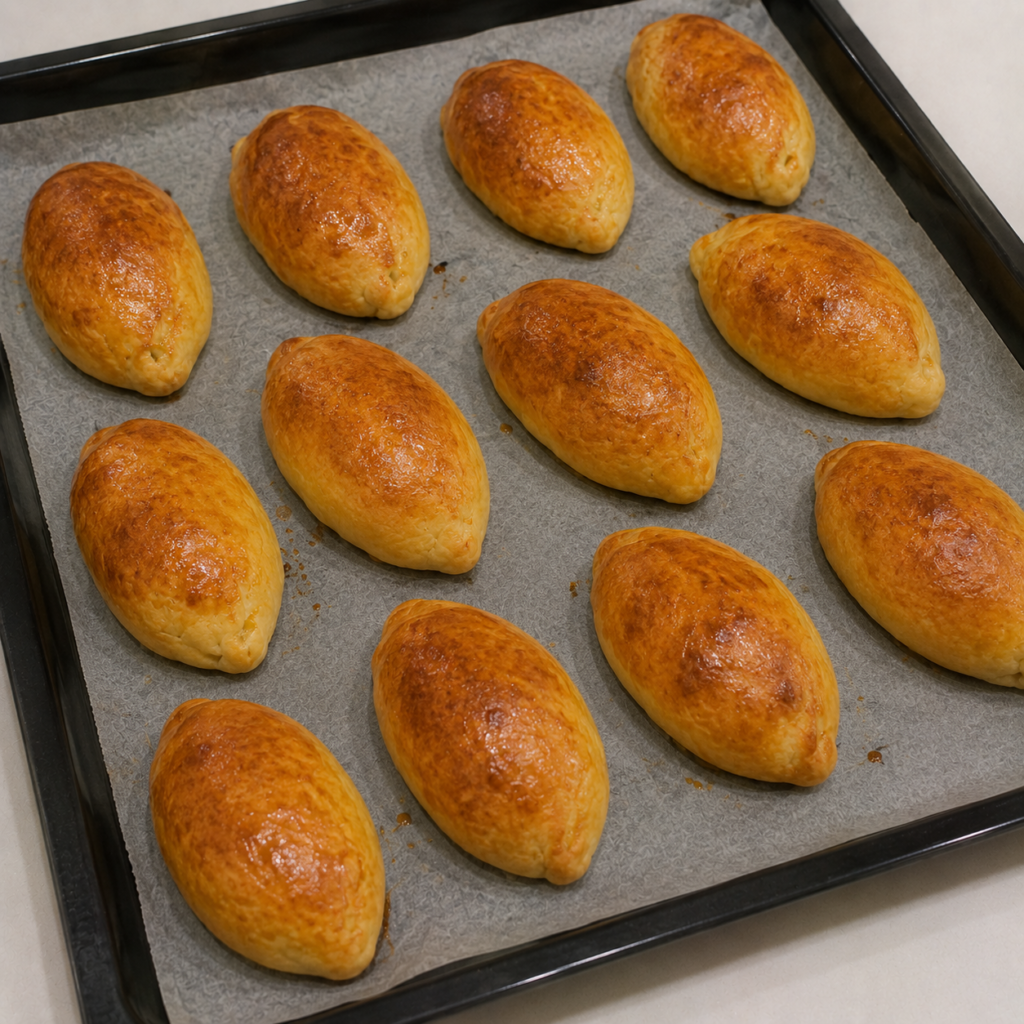
Bake for 20 to 25 minutes.
The tops should become beautifully golden brown.
The internal texture should remain soft and fluffy.
Step 12: Cool and Serve
Allow the poğaça to cool for 10 minutes on a wire rack.
Serve warm or at room temperature.
Why This Recipe Works
The combination of yogurt, milk, butter, and oil creates an exceptionally soft dough.
Each ingredient contributes a specific benefit:
- Milk improves tenderness.
- Yogurt adds moisture and flavor.
- Butter enhances richness.
- Oil helps maintain softness for several days.
The two-stage rising process develops flavor while creating the airy texture associated with Turkish bakery poğaça.
What Is Poğaça?
Poğaça is one of the most common pastries in Türkiye.
Almost every bakery sells multiple varieties daily.
You will often find:
- Cheese poğaça
- Potato poğaça
- Olive-filled poğaça
- Minced meat poğaça
- Herb-filled poğaça
Many Turkish families prepare poğaça weekly because it stores well and is suitable for breakfast, lunchboxes, and snacks.
The Secret to Soft Bakery-Style Poğaça
Many home bakers wonder why bakery poğaça remains softer than homemade versions.
The answer usually comes down to three factors:
Adequate Hydration
A softer dough produces a softer bun.
Avoid adding too much flour.
Proper Rising
Allowing the dough enough time to rise creates a lighter structure.
Rushing the process often results in dense buns.
Rich Ingredients
The combination of dairy and fats keeps the crumb moist and tender.
Things to Consider
Use Warm Milk, Not Hot Milk
Milk that is too hot can kill the yeast.
Aim for approximately 38–40°C.
Don’t Overfill
Too much filling may cause the buns to burst open while baking.
Seal Carefully
Pinch the seams tightly to prevent leakage.
Avoid Excess Flour
The dough should remain soft.
Adding too much flour is one of the most common mistakes.
Let Them Cool Slightly
Freshly baked poğaça continues setting during the first few minutes after baking.
Filling Variations
One of the best things about poğaça is its versatility.
Try these popular alternatives:
Potato Filling
Mix:
- Boiled potatoes
- Salt
- Black pepper
- Paprika
Olive Filling
Use finely chopped black olives.
Spinach and Cheese
Combine sautéed spinach with white cheese.
Ground Meat Filling
Cook minced beef with onions and spices before filling.
Herb and Cheese Filling
Mix white cheese with:
- Dill
- Parsley
- Fresh mint
Serving Suggestions
Poğaça pairs wonderfully with:
- Turkish tea
- Fresh tomatoes
- Cucumbers
- Olives
- Honey and jam
- Boiled eggs
- Menemen
- Turkish breakfast spreads
It is often served as part of a large weekend breakfast table.
Storage
Store poğaça in an airtight container at room temperature for up to 3 days.
For longer storage:
- Freeze for up to 3 months.
- Thaw at room temperature.
- Warm briefly in the oven before serving.
Tips for Perfect Poğaça
- Measure ingredients carefully.
- Use fresh yeast.
- Knead until smooth and elastic.
- Allow full rising time.
- Don’t overcrowd the baking tray.
- Apply egg wash generously.
- Bake until deeply golden.
- Cool slightly before serving.
Frequently Asked Questions
Can I Make the Dough Ahead?
Yes.
Prepare the dough and refrigerate overnight after the first rise.
Allow it to come to room temperature before shaping.
Can I Use Feta Cheese?
Absolutely.
Feta is one of the most common substitutes for Turkish white cheese.
Why Is My Poğaça Dense?
Usually because of:
- Too much flour
- Insufficient kneading
- Inadequate rising time
Can I Freeze Them?
Yes.
Poğaça freezes exceptionally well and reheats beautifully.
Final Thoughts
Soft, fluffy, and filled with savory cheese, Turkish Poğaça is one of the most comforting baked goods in Turkish cuisine. Whether served at breakfast, enjoyed with afternoon tea, or packed for a snack on the go, these delicious buns offer the perfect balance of rich dough and flavorful filling.
Once you master this traditional recipe, you’ll understand why poğaça has remained a bakery favorite throughout Türkiye for generations. The tender crumb, golden crust, and endless filling possibilities make it a recipe you’ll return to again and again.
Afiyet olsun!