
 By Fatih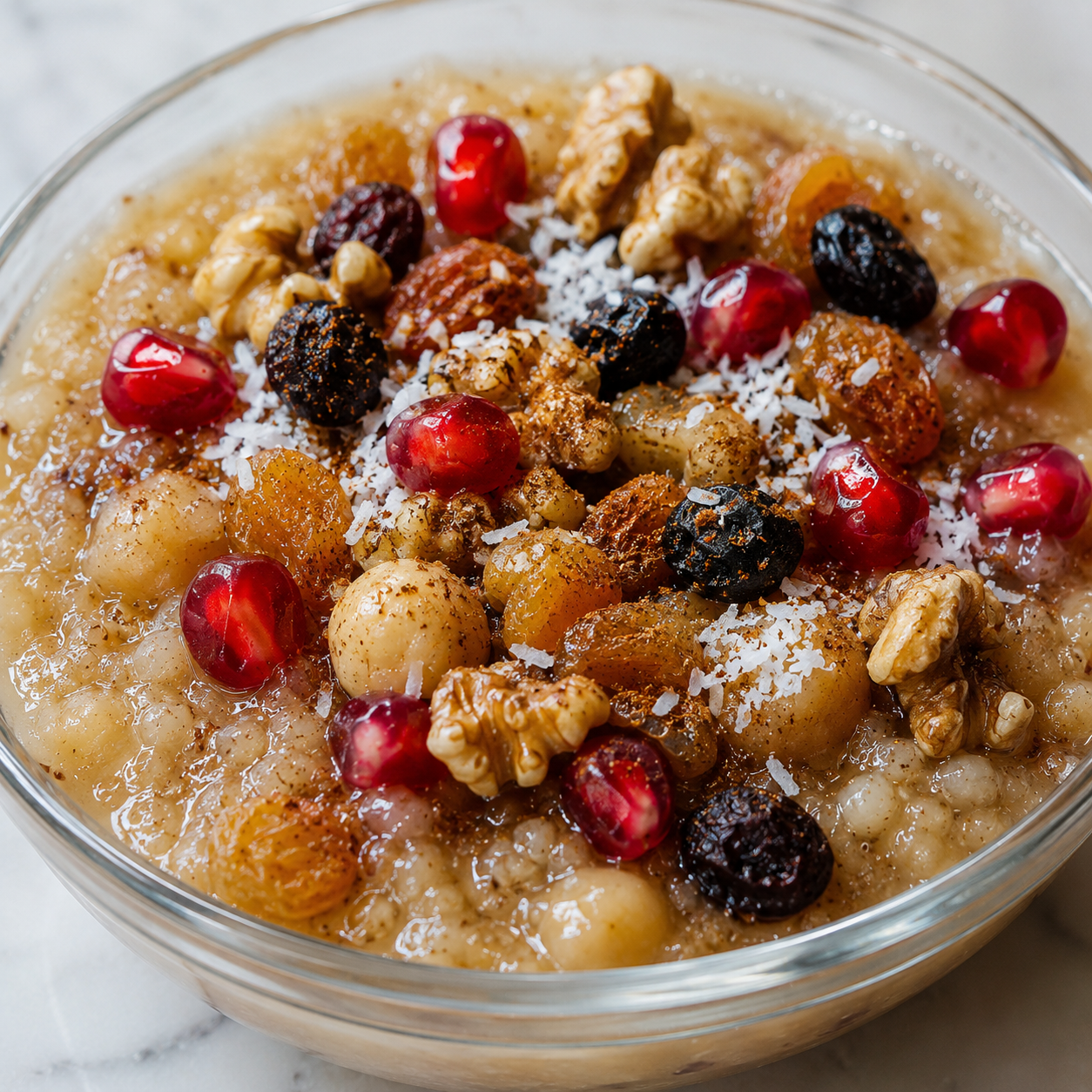
Aşure, often called Noah’s Pudding, is one of the oldest and most meaningful desserts in Turkish cuisine. Unlike many desserts that rely on a single dominant ingredient, Aşure celebrates abundance, diversity, and sharing through a beautiful combination of grains, legumes, dried fruits, nuts, and spices.
For centuries, Turkish families have gathered in their kitchens to prepare large pots of Aşure, especially during the month of Muharram. Once prepared, bowls of the pudding are traditionally shared with neighbors, relatives, friends, and anyone nearby. This act of sharing is considered just as important as the dessert itself.
Rich in texture, naturally nutritious, and filled with symbolic meaning, Aşure remains one of Turkey’s most beloved traditional desserts.
What Is Aşure?
Aşure is a sweet pudding made by cooking wheat berries together with legumes, dried fruits, sugar, and nuts until a thick, hearty consistency develops.
Unlike cakes or pastries, Aşure resembles a rich pudding filled with a variety of textures. Every spoonful contains a mixture of soft wheat, creamy beans, chewy dried fruits, crunchy nuts, and fragrant spices.
The exact ingredients often vary from family to family, but the spirit of the dish remains the same: combining many different ingredients into one harmonious dessert.
The Story of Noah’s Pudding
According to a popular tradition, Aşure traces its origins back to the story of Noah’s Ark.
It is said that after the floodwaters receded and the ark came to rest, Noah and his family gathered the remaining ingredients they had onboard. Since supplies were limited, they cooked whatever grains, legumes, fruits, and nuts remained into a single pot.
The resulting dish became known as Noah’s Pudding.
While historians debate the exact origins, the story remains an important part of Turkish culinary culture and contributes to the symbolism of abundance and gratitude associated with Aşure.
Why You’ll Love This Recipe
- Naturally packed with wholesome ingredients
- Rich in texture and flavor
- Perfect for sharing
- Traditional Turkish recipe
- Can be prepared in large batches
- Great make-ahead dessert
- Naturally dairy-free
- Beautiful presentation
Recipe Information
- Prep Time: 30 minutes
- Cook Time: 2 hours
- Rest Time: 2 hours
- Total Time: Approximately 4½ hours
- Servings: 12-15 bowls
- Difficulty: Medium
Ingredients
For the Pudding
- 2 cups wheat berries
- ½ cup cooked chickpeas
- ½ cup cooked white beans
- 1 cup granulated sugar
- 10 cups water
Dried Fruits
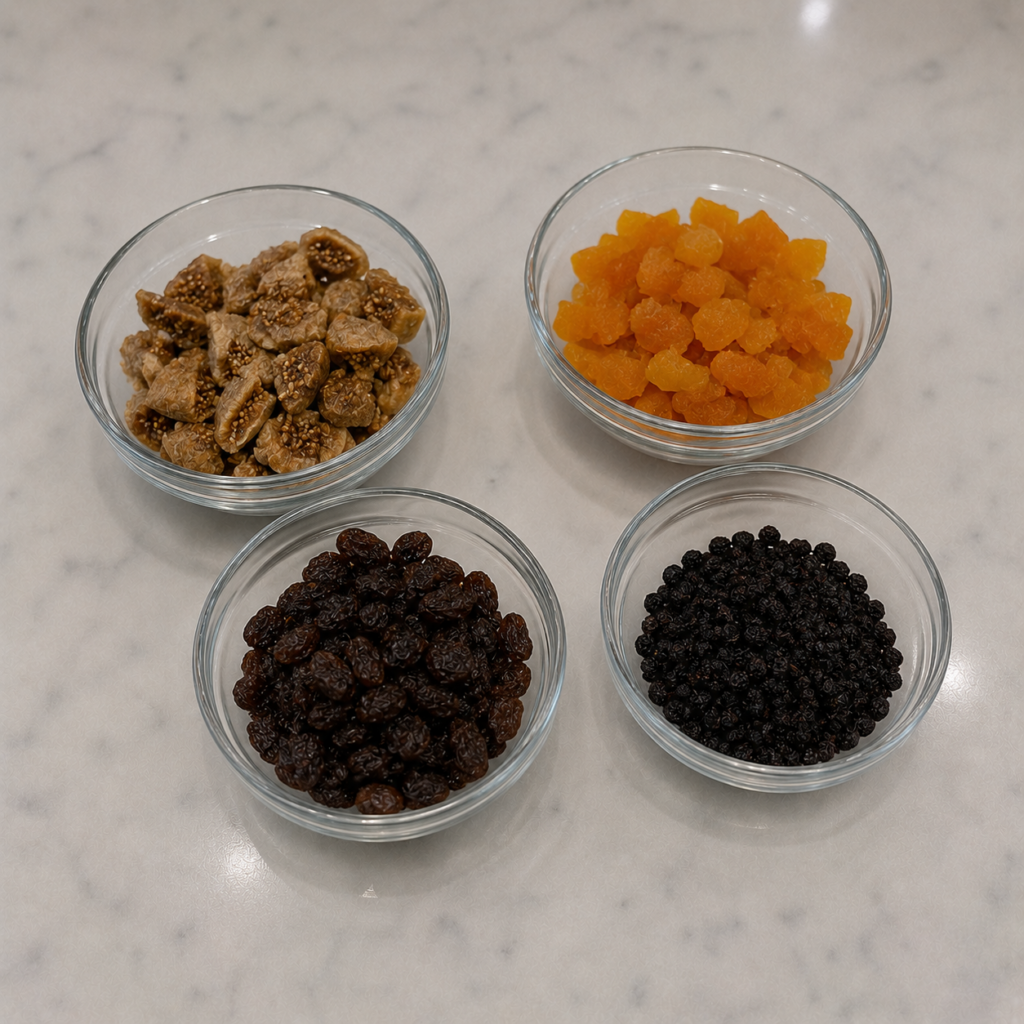
- ½ cup dried apricots, diced
- ½ cup raisins
- ½ cup dried figs, diced
- ¼ cup currants
Optional Flavorings
- 1 cinnamon stick
- Zest of 1 orange
- Zest of 1 lemon
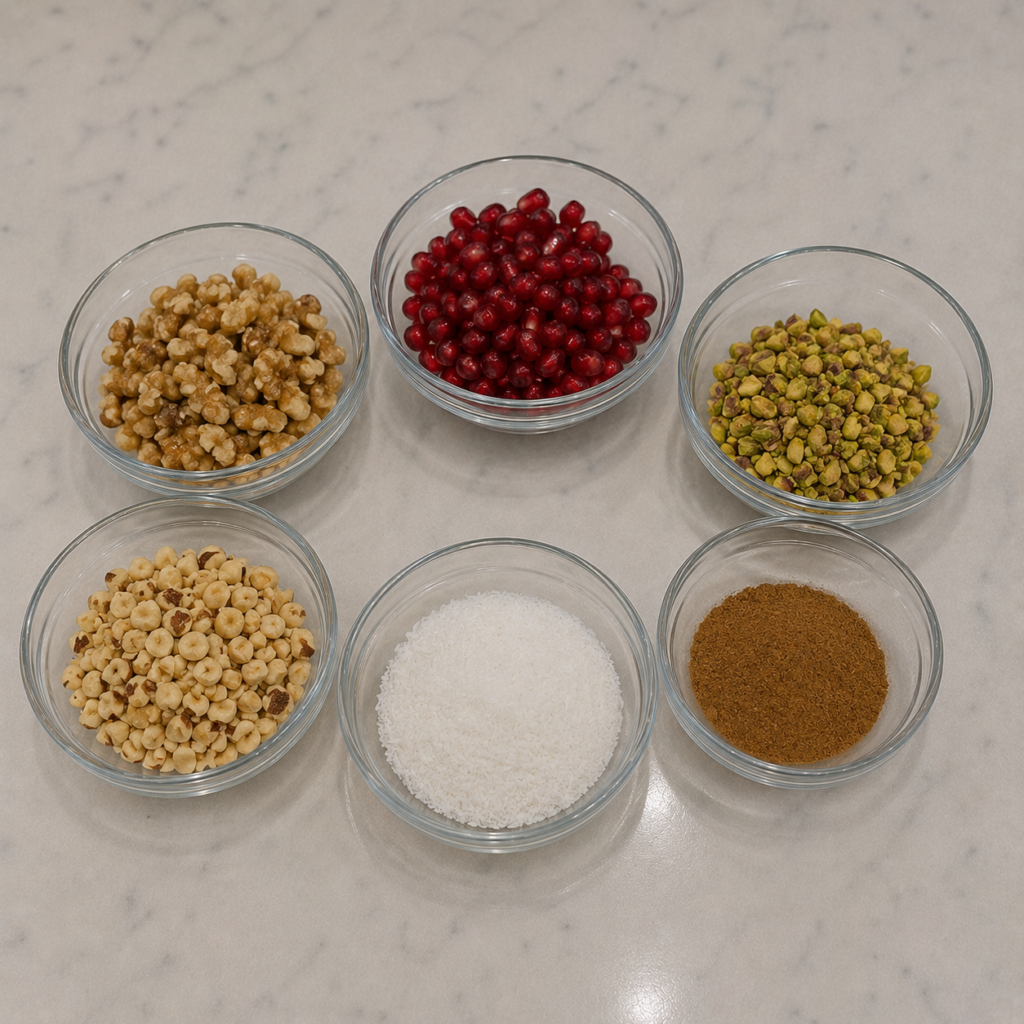
For Garnish
- Chopped walnuts
- Pistachios
- Hazelnuts
- Pomegranate seeds
- Ground cinnamon
- Coconut flakes
Instructions
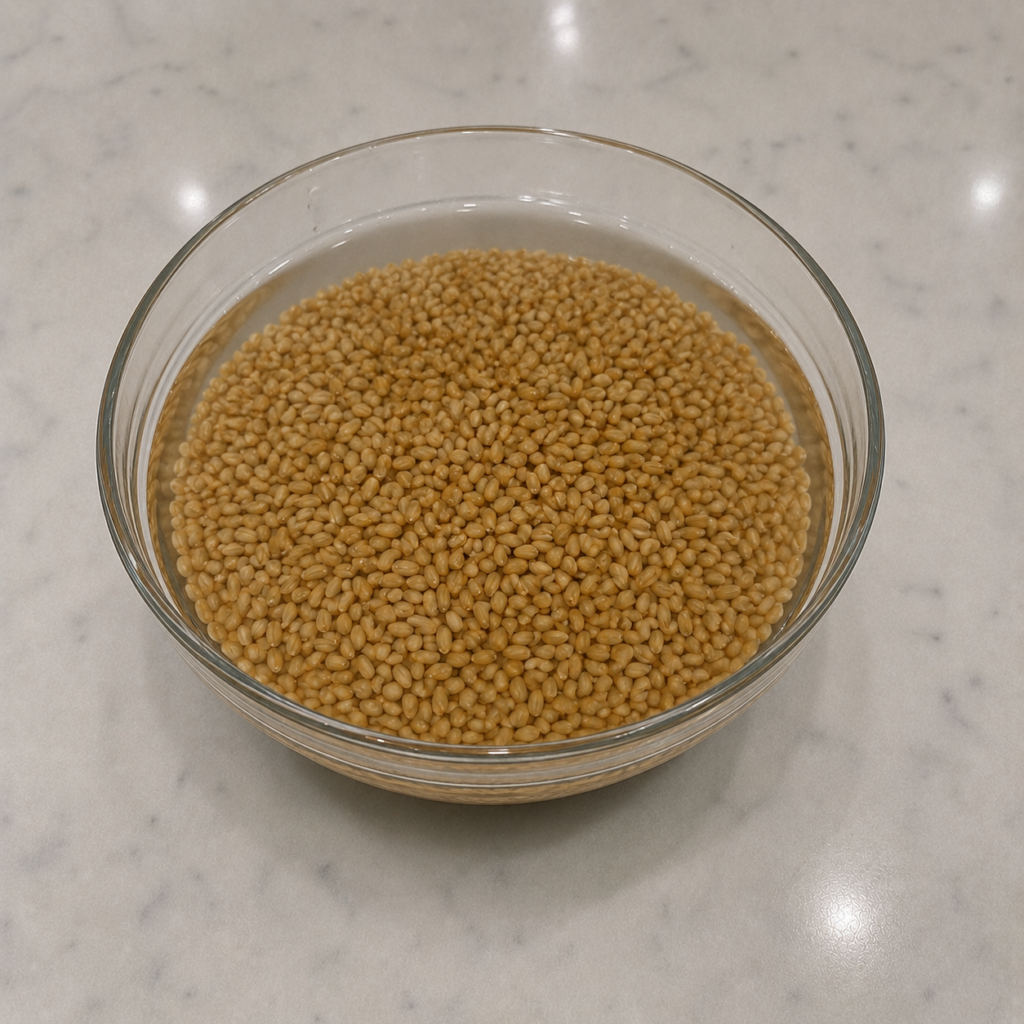
Step 1: Soak the Wheat
Place the wheat berries in a large bowl.
Cover with plenty of water.
Allow them to soak overnight.
This helps soften the grains and significantly reduces cooking time.
Step 2: Cook the Wheat
Drain the soaked wheat.
Transfer to a large stockpot.
Add fresh water.
Bring to a boil.
Reduce the heat and simmer until the wheat becomes soft and begins to release starch.
This may take approximately 60 to 90 minutes.
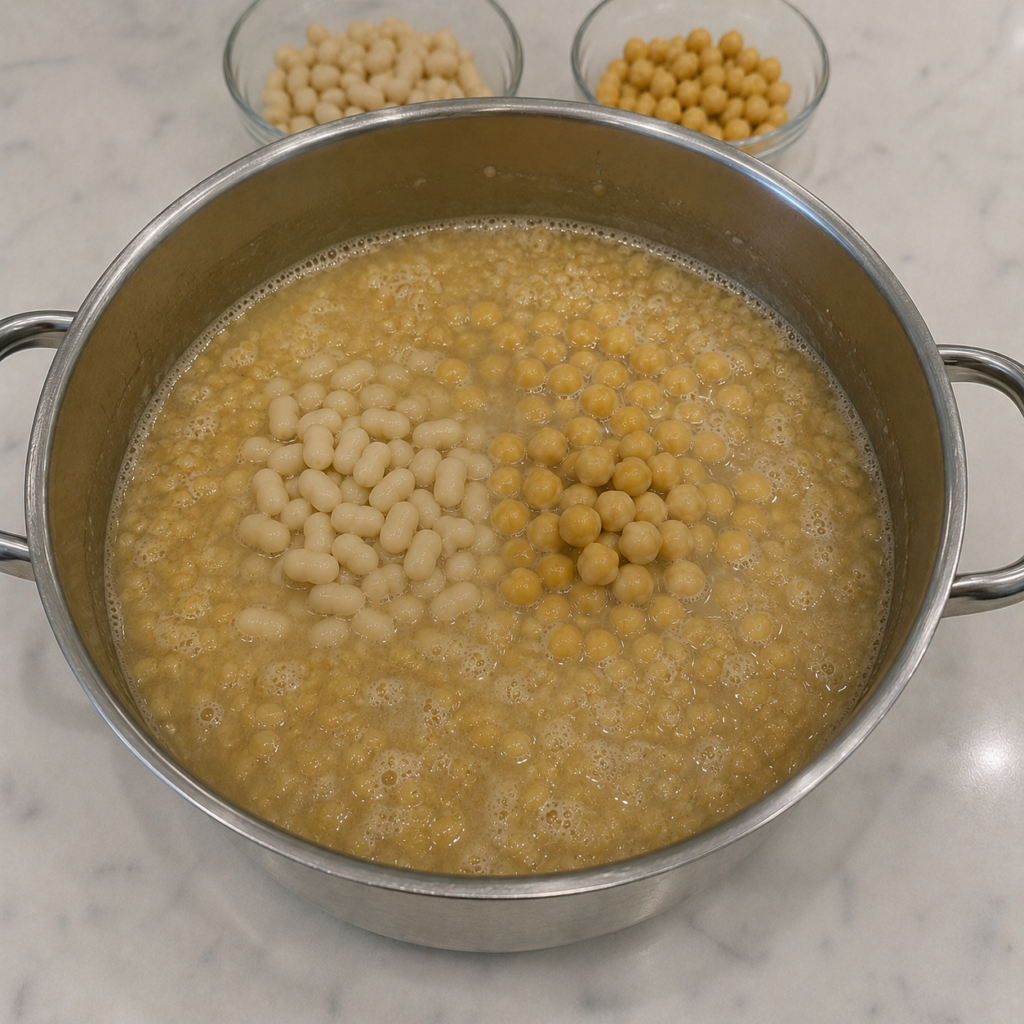
Step 3: Add the Legumes
Add:
- Cooked chickpeas
- Cooked white beans
Stir well.
Continue simmering for another 15 minutes.
The mixture should begin to thicken naturally.
Step 4: Add the Dried Fruits
Add:
- Apricots
- Raisins
- Figs
- Currants
Stir thoroughly.
Continue cooking for approximately 15 minutes.
The fruits will soften and release natural sweetness into the pudding.
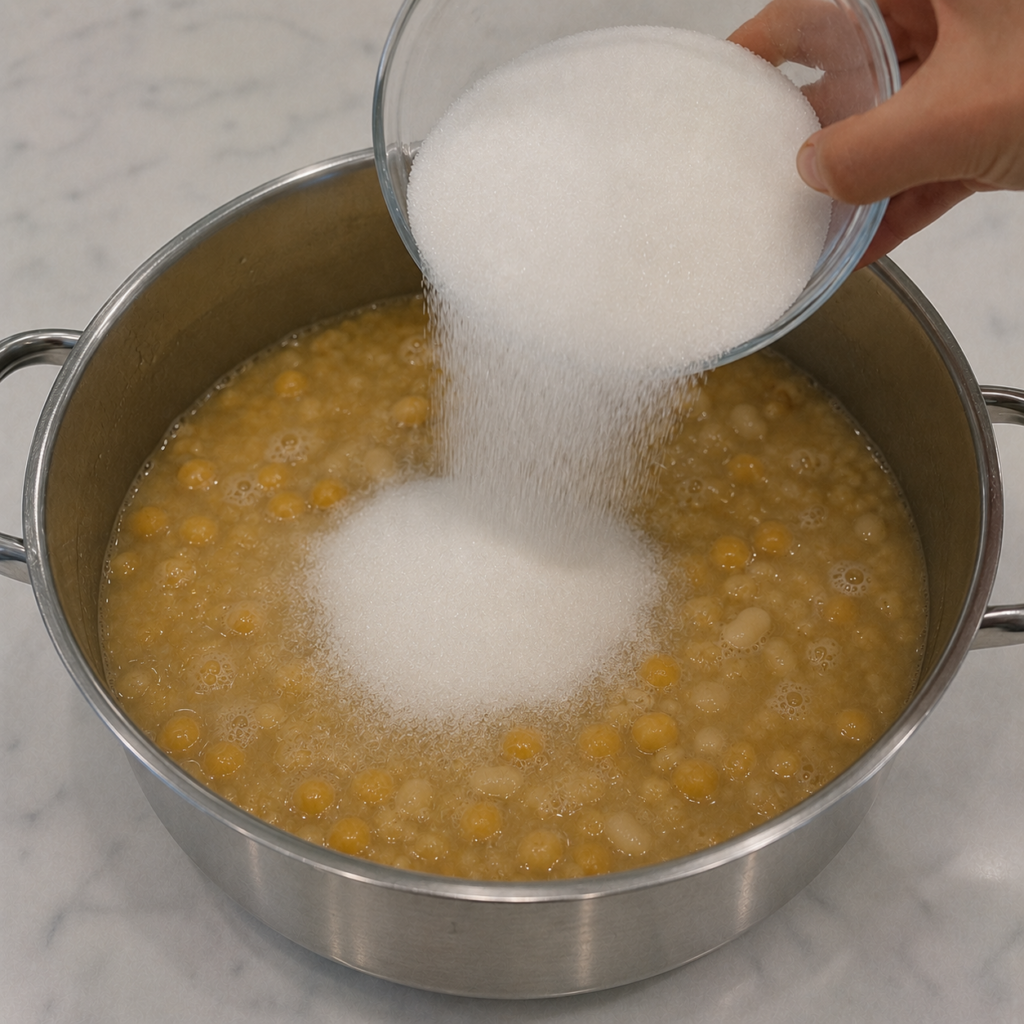
Step 5: Add the Sugar
Add the sugar gradually while stirring.
Taste and adjust sweetness if desired.
Continue cooking over low heat.
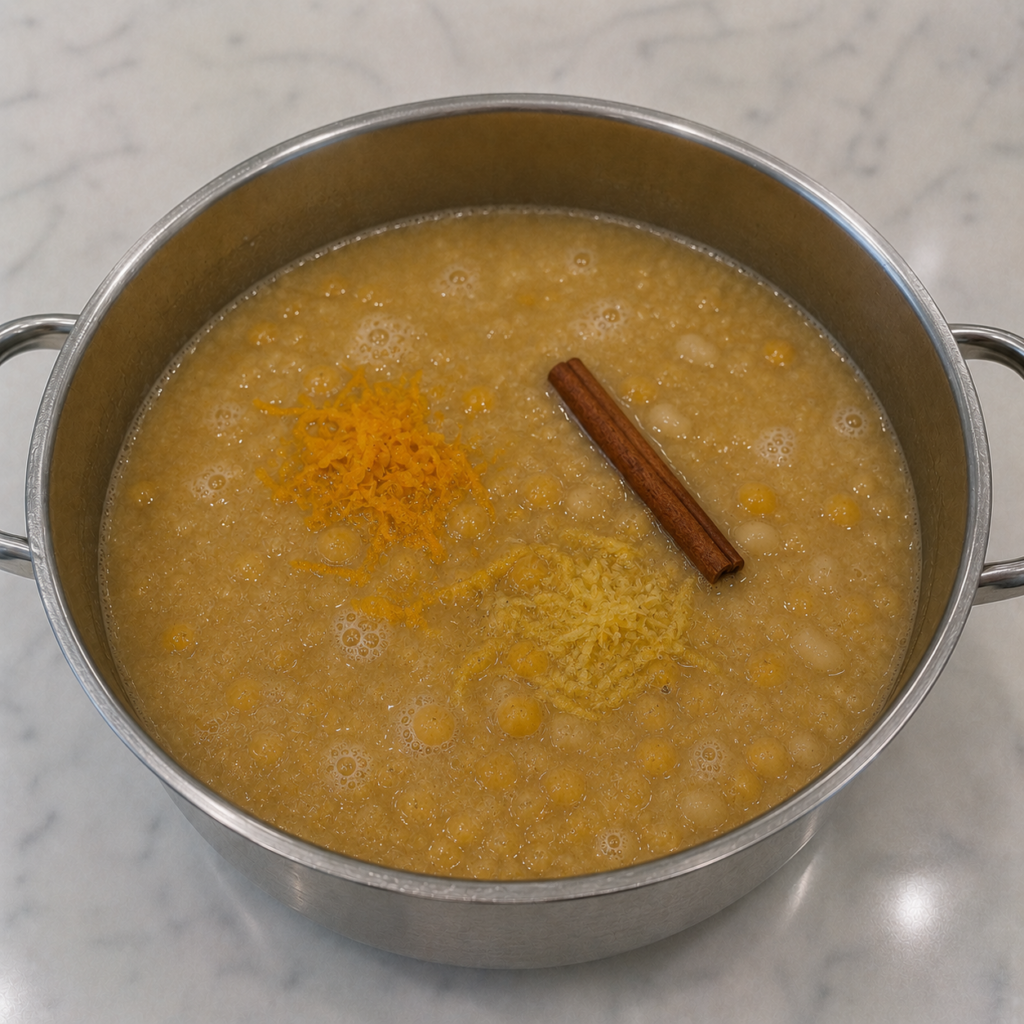
Step 6: Add Flavorings
Add:
- Cinnamon stick
- Orange zest
- Lemon zest
Simmer gently.
The citrus aromas help balance the sweetness beautifully.
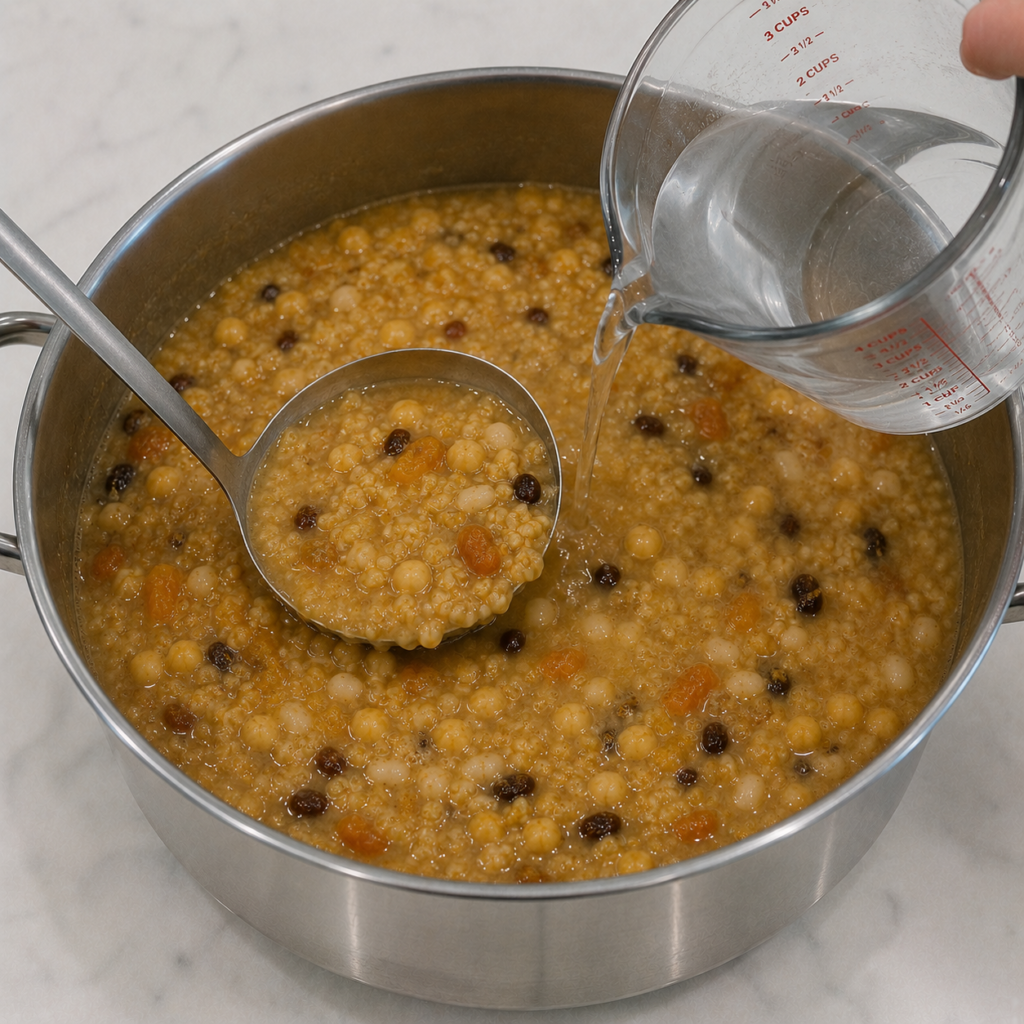
Step 7: Adjust the Consistency
If the pudding becomes too thick, add a little hot water.
If it appears too thin, continue simmering.
Remember that Aşure thickens considerably as it cools.
Step 8: Portion the Aşure
Remove the cinnamon stick.
Ladle the hot pudding into serving bowls.
Leave some room for garnishes.
Step 9: Cool Completely
Allow the bowls to cool to room temperature.
As they cool, the pudding will continue thickening.
Step 10: Garnish and Serve
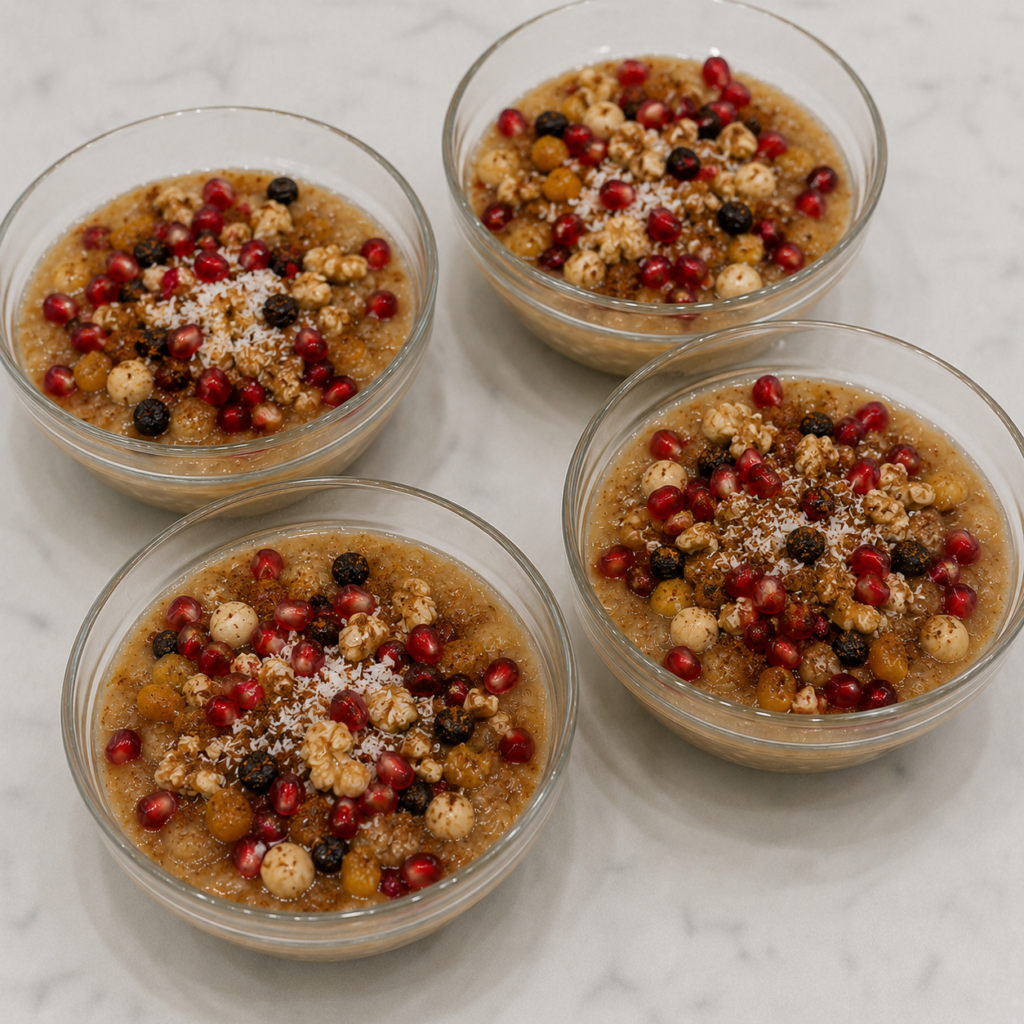
Decorate generously with:
- Walnuts
- Pistachios
- Hazelnuts
- Pomegranate seeds
- Cinnamon
- Coconut
Serve chilled or at room temperature.
Why Aşure Is So Special
Few desserts carry as much symbolism as Aşure.
Each ingredient contributes something different:
- Wheat provides body
- Beans add creaminess
- Fruits contribute sweetness
- Nuts create texture
- Spices add fragrance
Together they create a dessert that symbolizes unity and abundance.
The Tradition of Sharing
One of the most beautiful aspects of Aşure is the tradition of sharing.
Families often prepare large quantities and distribute bowls to:
- Neighbors
- Friends
- Relatives
- Coworkers
- Community members
This custom has existed for generations and remains common throughout Turkey today.
Many people consider the act of sharing Aşure just as important as preparing it.
What Makes Aşure Different from Other Desserts?
Unlike many desserts that focus on one or two flavors, Aşure celebrates variety.
The combination of:
- Grains
- Legumes
- Fruits
- Nuts
- Spices
creates an incredibly complex flavor profile.
Every spoonful tastes slightly different.
Tips for Perfect Aşure
Soak the Wheat Overnight
This helps create the creamy consistency that defines good Aşure.
Cook Slowly
Gentle simmering allows flavors to develop fully.
Add Sugar Near the End
Sugar can slow the softening process of grains and legumes.
Dice Fruits Evenly
Uniform pieces create a more balanced texture.
Garnish Generously
The toppings are an important part of the final presentation.
Common Mistakes to Avoid
Undercooked Wheat
The wheat should be tender and creamy.
Adding Too Much Sugar
The dried fruits already contribute sweetness.
Skipping the Resting Period
The texture improves dramatically as the pudding cools.
Making It Too Thick
Remember that Aşure continues thickening after cooking.
Overcooking the Fruits
Add them after the wheat softens.
Variations
Pomegranate Aşure
Add extra pomegranate seeds for freshness.
Nut Lover’s Aşure
Increase the quantity of walnuts, pistachios, and hazelnuts.
Orange Aşure
Add extra orange zest and a little orange juice.
Rosewater Aşure
Add a small amount of rosewater for a floral aroma.
Date Aşure
Replace some of the sugar with chopped dates.
Nutritional Benefits
Aşure is often considered one of the more nutritious traditional desserts.
It contains:
- Fiber
- Plant protein
- Complex carbohydrates
- Vitamins from dried fruits
- Healthy fats from nuts
Its diverse ingredient list makes it remarkably satisfying.
Storage
Refrigerator
Store covered for up to 5 days.
Freezer
Freezing is not recommended because the texture may change.
Serving Later
If the pudding becomes too thick after refrigeration, stir in a small amount of water before serving.
Frequently Asked Questions
Why is it called Noah’s Pudding?
According to tradition, Noah’s family prepared the dish using their remaining supplies after the flood.
Can I make it ahead?
Yes.
In fact, many people prefer Aşure the next day because the flavors become more developed.
Can I reduce the sugar?
Absolutely.
The sweetness can easily be adjusted.
Why is my Aşure too thick?
The wheat continues absorbing liquid during cooling.
Simply stir in a little water.
Can I omit the beans?
Traditional recipes include legumes, but family variations exist.
Serving Suggestions
Aşure is delicious on its own, but it pairs beautifully with:
- Turkish tea
- Turkish coffee
- Fresh fruit
- Extra pomegranate seeds
- Roasted nuts
It is typically served in individual bowls with colorful garnishes arranged attractively on top.
Why Aşure Has Endured for Centuries
Many desserts become popular because they are sweet.
Aşure has survived for centuries because it offers something deeper.
It represents:
- Gratitude
- Generosity
- Community
- Tradition
- Abundance
Few desserts carry such powerful cultural meaning while remaining so delicious and comforting.
Final Thoughts
Aşure is much more than a dessert. It is a celebration of sharing, tradition, and togetherness. With its combination of grains, legumes, fruits, nuts, and spices, every bowl tells a story that has been passed down through generations.
Whether you’re discovering Turkish cuisine for the first time or recreating a cherished family tradition, homemade Aşure offers a truly unique culinary experience. Rich, wholesome, colorful, and deeply meaningful, it remains one of the most treasured desserts in Turkish culture.
Afiyet olsun!