
 By Fatih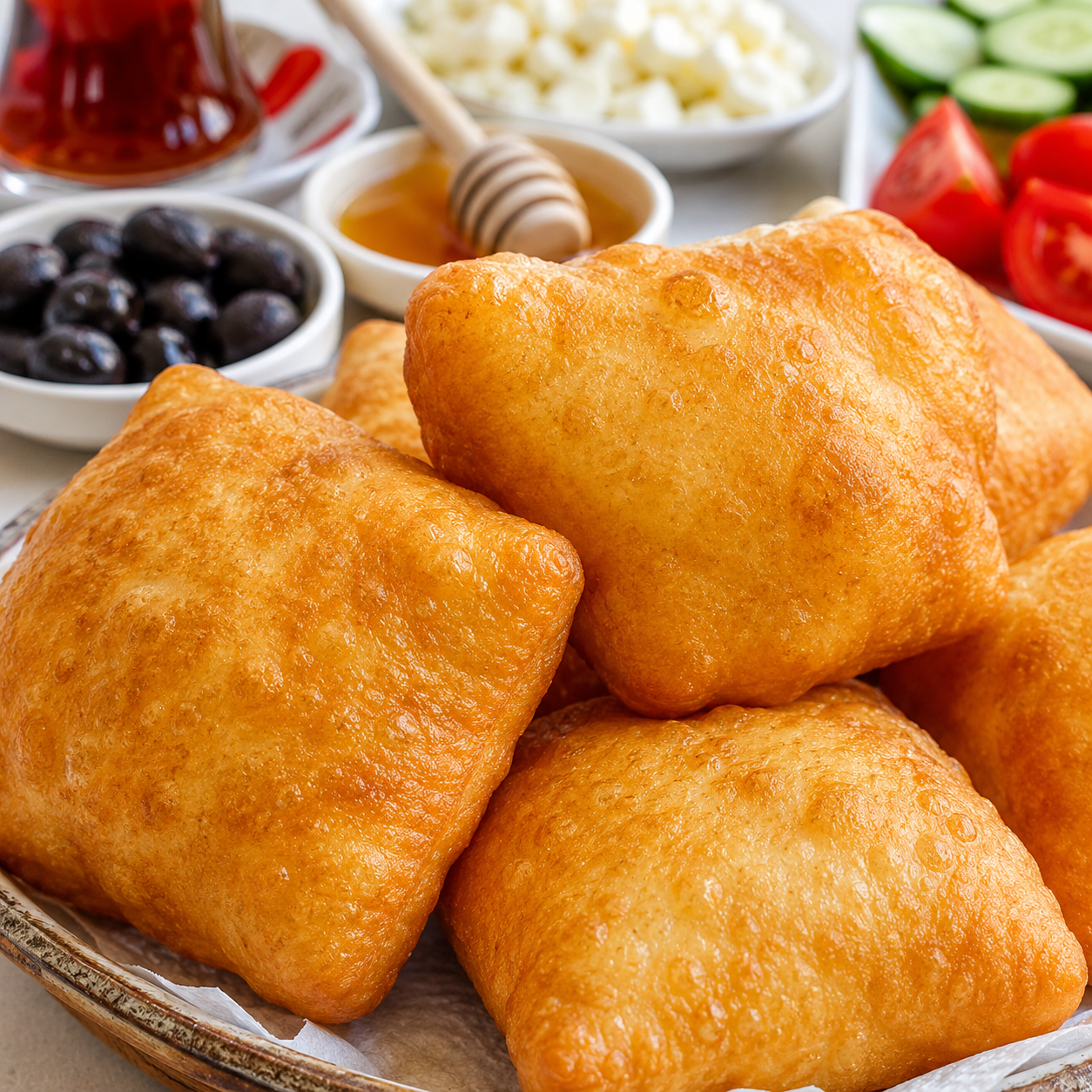
Pişi is one of the most beloved breakfast foods in Turkish cuisine. These golden, fluffy pieces of fried dough are crispy on the outside, soft and airy on the inside, and incredibly satisfying when served fresh and warm. Whether enjoyed alongside Turkish tea at breakfast, served during family gatherings, or prepared for special occasions, Pişi holds a special place in Turkish food culture.
Found in homes across Türkiye, Pişi is often compared to fry bread, beignets, or doughnuts, but it has a unique character all its own. Unlike sweet doughnuts, traditional Pişi is usually savory, making it the perfect companion to cheese, olives, tomatoes, jams, honey, and countless other breakfast favorites.
One of the reasons Pişi remains so popular is its simplicity. The dough requires only a handful of pantry staples, yet the result is wonderfully light, fluffy, and flavorful. As the dough hits the hot oil, it puffs beautifully, creating the characteristic airy texture that makes Pişi so irresistible.
Whether you’re preparing a traditional Turkish breakfast spread or simply looking for a comforting homemade treat, this authentic Pişi recipe delivers delicious results every time.
Why You’ll Love This Recipe
- Authentic Turkish breakfast favorite
- Crispy outside, fluffy inside
- Simple pantry ingredients
- Easy to prepare
- Family-friendly recipe
- Perfect for brunch
- Great with sweet or savory toppings
- Freezer-friendly dough
- Traditional comfort food
Recipe
- Preparation Time: 20 minutes
- Resting Time: 1 hour
- Cooking Time: 20 minutes
- Total Time: 1 hour 40 minutes
- Servings: 6 servings
- Cuisine: Turkish
- Course: Breakfast, Snack
Ingredients
For the Dough
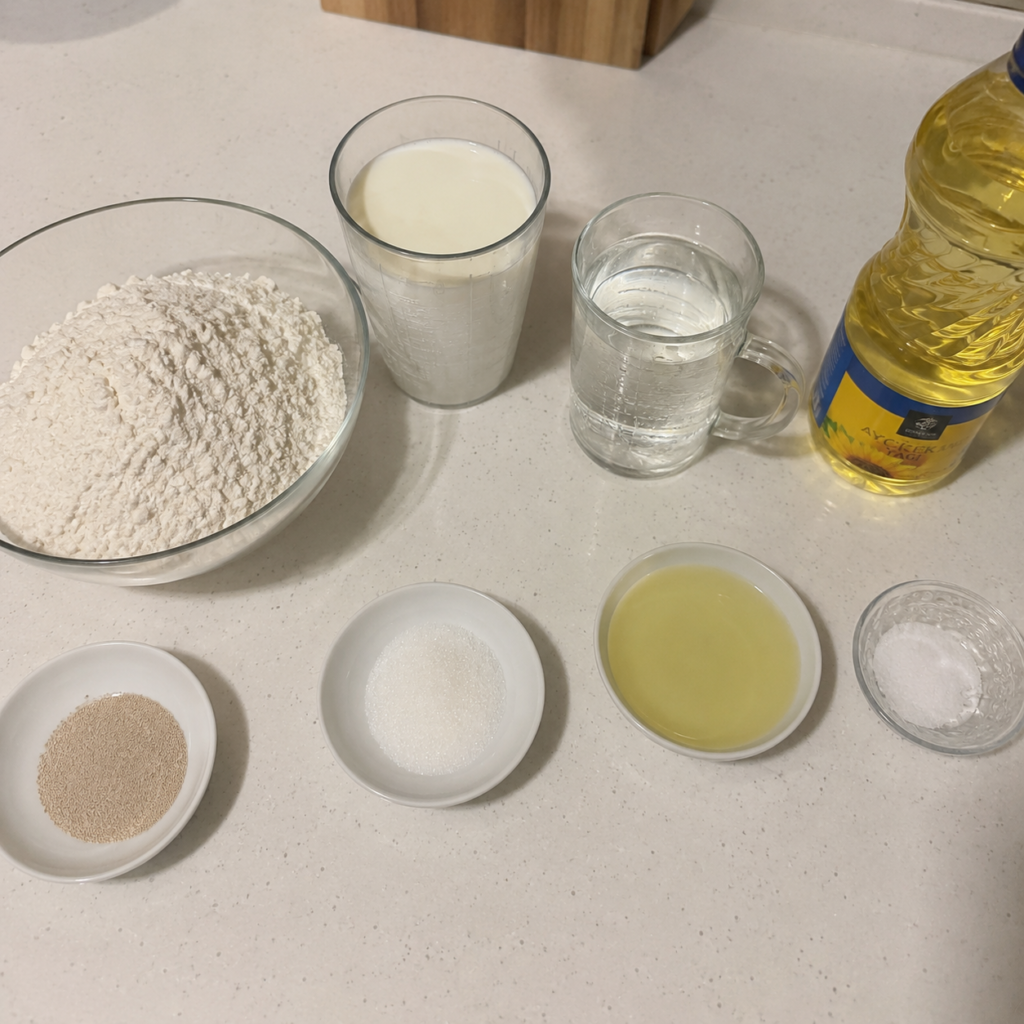
- 4 cups all-purpose flour
- 1 cup warm milk
- ½ cup warm water
- 1 packet instant yeast (7 g)
- 1 teaspoon sugar
- 1 teaspoon salt
- 2 tablespoons olive oil
For Frying
- Vegetable oil, as needed
For Serving
- White cheese (feta-style)
- Black olives
- Tomatoes
- Cucumbers
- Honey
- Jam
Instructions
1. Activate the Yeast
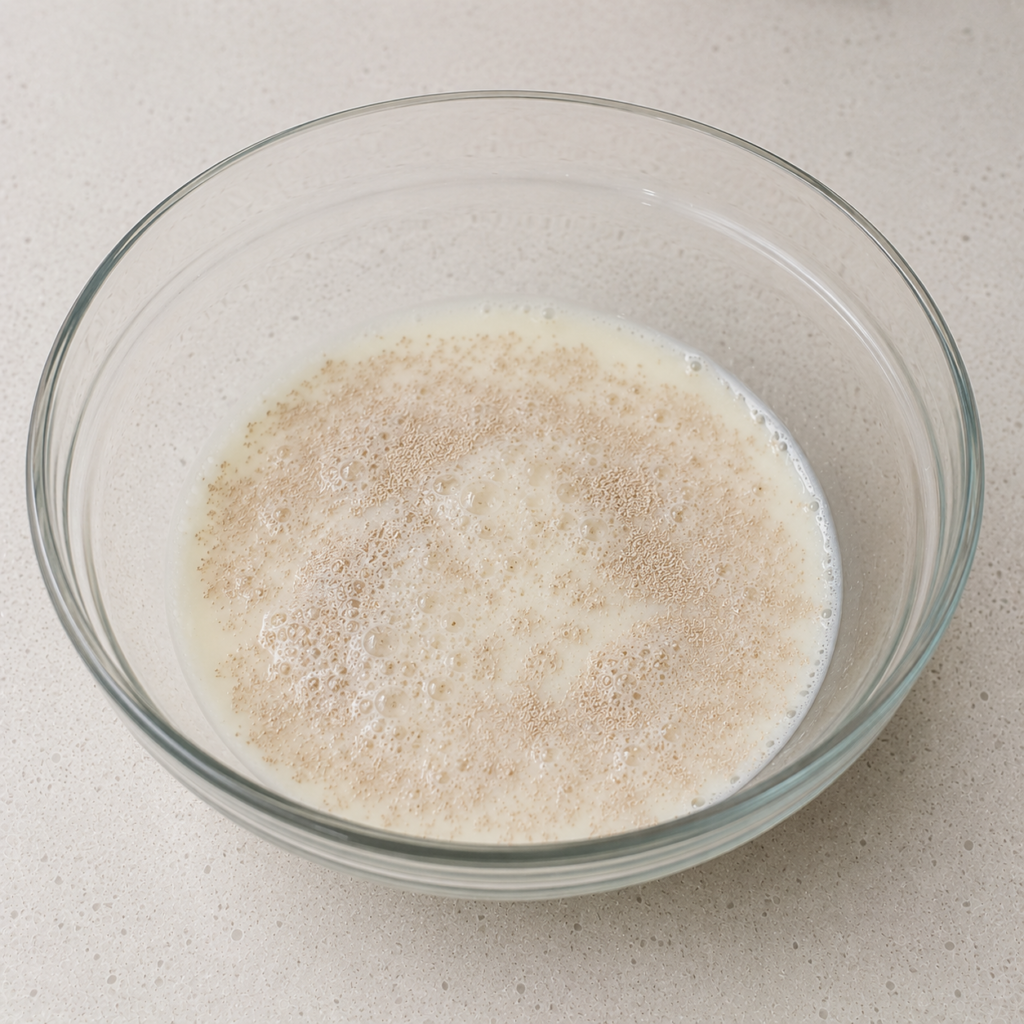
In a large bowl, combine:
- Warm milk
- Warm water
- Sugar
- Yeast
Allow the mixture to sit for 5 minutes.
2. Prepare the Dough
Add:
- Flour
- Salt
- Olive oil
Mix until a soft dough forms.
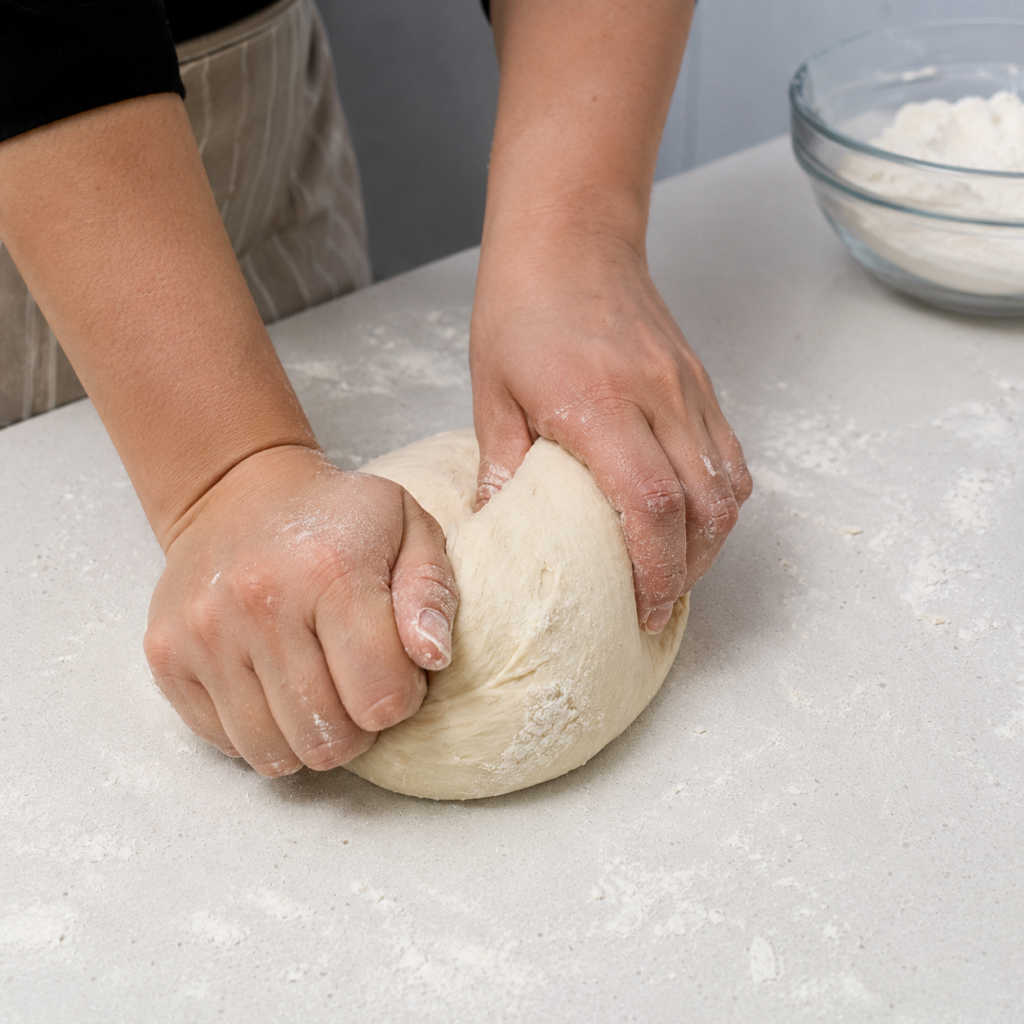
3. Knead the Dough
Transfer the dough to a lightly floured surface.
Knead for approximately 8–10 minutes until smooth and elastic.
4. First Rise
Place the dough in a lightly oiled bowl.
Cover with a clean kitchen towel.
Allow it to rise for about 1 hour or until doubled in size.
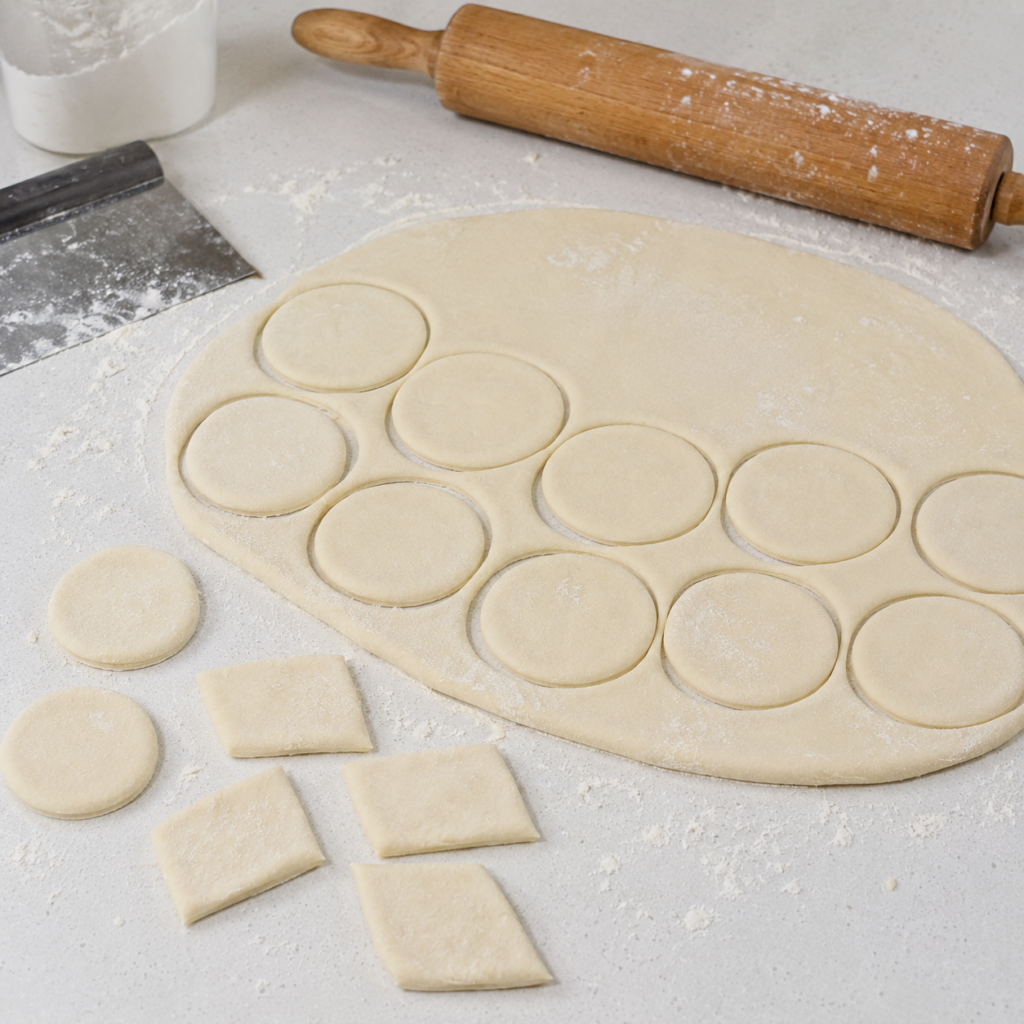
5. Shape the Dough
Punch down the dough.
Transfer it to a lightly floured surface.
Roll it out to approximately 1 cm (½ inch) thickness.
Cut into rounds, squares, or diamonds.
6. Rest Again
Place the shaped dough pieces on a lightly floured tray.
Cover loosely.
Allow them to rest for 15–20 minutes.
7. Heat the Oil
Heat vegetable oil in a deep pan.
The oil should reach approximately 175°C (350°F).
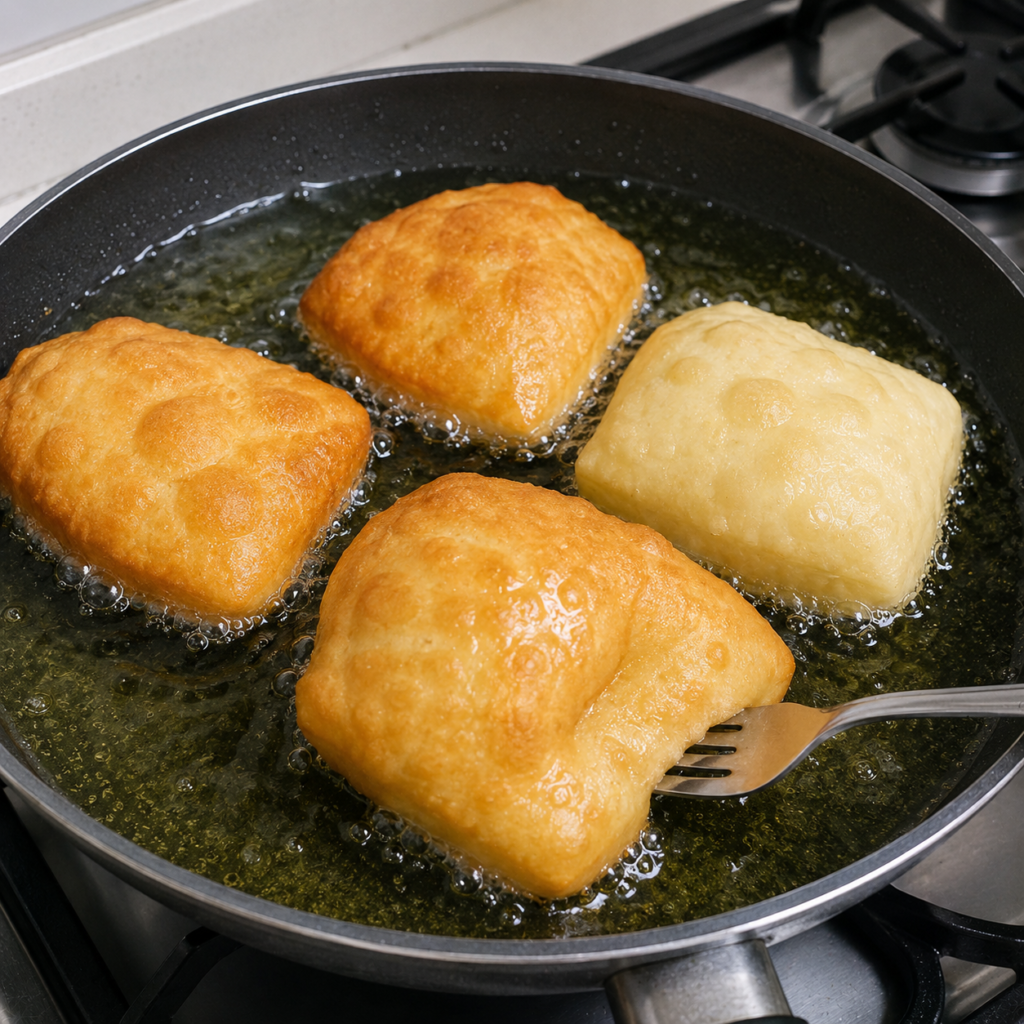
8. Fry the Pişi
Carefully place a few pieces into the hot oil.
Do not overcrowd the pan.
Fry until golden brown on both sides.
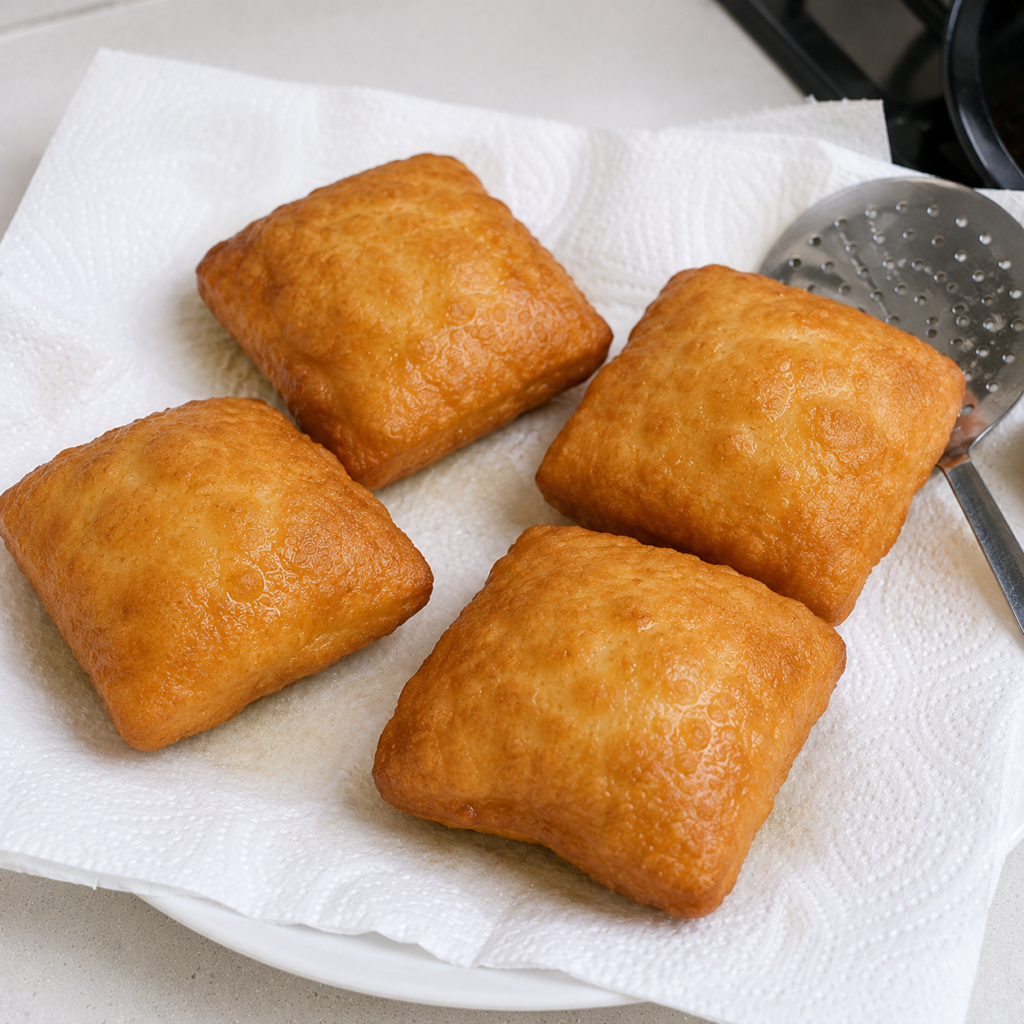
9. Drain
Transfer the cooked Pişi to a plate lined with paper towels.
Allow excess oil to drain.
10. Serve
Serve immediately while warm with your favorite breakfast accompaniments.
What Is Pişi?
Pişi is a traditional Turkish fried dough made from yeast dough that is rolled out, cut into shapes, and fried until golden.
It is especially popular during:
- Weekend breakfasts
- Family gatherings
- Religious holidays
- Village breakfasts
- Special occasions
Freshly fried Pişi is often served at the center of the breakfast table where everyone can enjoy it while still warm.
The Importance of Turkish Breakfast Culture
Breakfast holds a special place in Turkish life.
Unlike quick breakfasts common in many countries, traditional Turkish breakfasts are leisurely affairs featuring:
- Cheese
- Olives
- Tomatoes
- Cucumbers
- Eggs
- Honey
- Jams
- Fresh bread
- Tea
Pişi often appears as a special treat alongside these foods.
Its warm, fluffy texture makes it a perfect addition to the breakfast table.
Why Yeast Matters
Traditional Pişi uses yeast to create its signature texture.
The yeast:
- Produces air pockets
- Creates softness
- Helps the dough puff during frying
Without proper fermentation, the dough will be denser and less airy.
Patience during rising is essential for authentic results.
Things to Consider
Use Warm Liquids
Liquids should be warm but not hot.
Excessive heat can damage the yeast.
Allow Proper Rising Time
The dough should approximately double in size.
Don’t Overcrowd the Pan
Too many pieces lower the oil temperature.
Maintain Oil Temperature
Oil that is too cool creates greasy Pişi.
Oil that is too hot may burn the exterior before the interior cooks.
Traditional Variations
Throughout Türkiye, many regional versions exist.
Plain Pişi
The most common version.
Cheese-Filled Pişi
Filled with Turkish white cheese before frying.
Herb-Filled Pişi
Contains parsley, dill, or fresh herbs.
Yogurt Pişi
Uses yogurt in the dough for extra softness.
Baking Powder Version
A quicker alternative that skips yeast.
Why Pişi Is So Popular
Several factors contribute to its popularity:
Comfort Food Appeal
Fresh fried dough is universally satisfying.
Affordable Ingredients
The recipe relies on simple pantry staples.
Versatility
It pairs equally well with sweet and savory foods.
Family Tradition
Many Turkish families have prepared Pişi for generations.
Best Foods to Serve with Pişi
Turkish White Cheese
One of the most traditional pairings.
Olives
Black and green olives balance the richness.
Tomatoes and Cucumbers
Fresh vegetables provide brightness.
Honey
Creates a sweet and savory contrast.
Homemade Jam
Especially:
- Strawberry
- Apricot
- Cherry
Turkish Tea
A glass of hot Turkish tea completes the experience.
Storage
Room Temperature
Best enjoyed fresh on the day it is made.
Refrigerator
Store leftovers for up to 2 days.
Reheating
Warm in an oven or air fryer.
Freezing
The dough can be frozen before frying.
Thaw completely before use.
Health Considerations
Pişi is an indulgent treat, but there are ways to make it lighter.
Use Fresh Oil
Fresh oil improves flavor and texture.
Drain Thoroughly
Paper towels help remove excess oil.
Serve with Vegetables
Balance richness with fresh produce.
Moderate Portions
Enjoy as part of a balanced breakfast.
Tips for Perfect Pişi
- Measure flour carefully.
- Use fresh yeast.
- Allow adequate rising time.
- Keep dough soft.
- Maintain proper oil temperature.
- Fry in small batches.
- Serve immediately.
- Pair with Turkish tea.
Frequently Asked Questions
Can I make Pişi without yeast?
Yes, baking powder versions exist, but traditional Pişi uses yeast.
Why didn’t my Pişi puff up?
Possible reasons include:
- Inactive yeast
- Insufficient rising time
- Oil temperature issues
Can I prepare the dough the night before?
Yes. Refrigerate after the first rise and use the next morning.
Can I bake Pişi instead of frying?
You can, but the texture will differ significantly.
What oil is best?
Neutral oils such as sunflower or vegetable oil work best.
Can I freeze cooked Pişi?
Yes, although freshly fried Pişi always offers the best texture.
Final Thoughts
Pişi is one of Türkiye’s most treasured breakfast traditions. With its crisp golden exterior and fluffy interior, it transforms a few simple ingredients into something truly special. Whether served with cheese and olives, paired with honey and jam, or enjoyed alongside a glass of Turkish tea, Pişi brings warmth and comfort to every table.
Easy to prepare and endlessly versatile, this classic Turkish fried dough continues to be a favorite for family breakfasts, weekend brunches, and special gatherings throughout the country. Once you experience freshly made Pişi, you’ll understand why it has remained a beloved part of Turkish culinary culture for generations.
Afiyet olsun!