
 By Fatih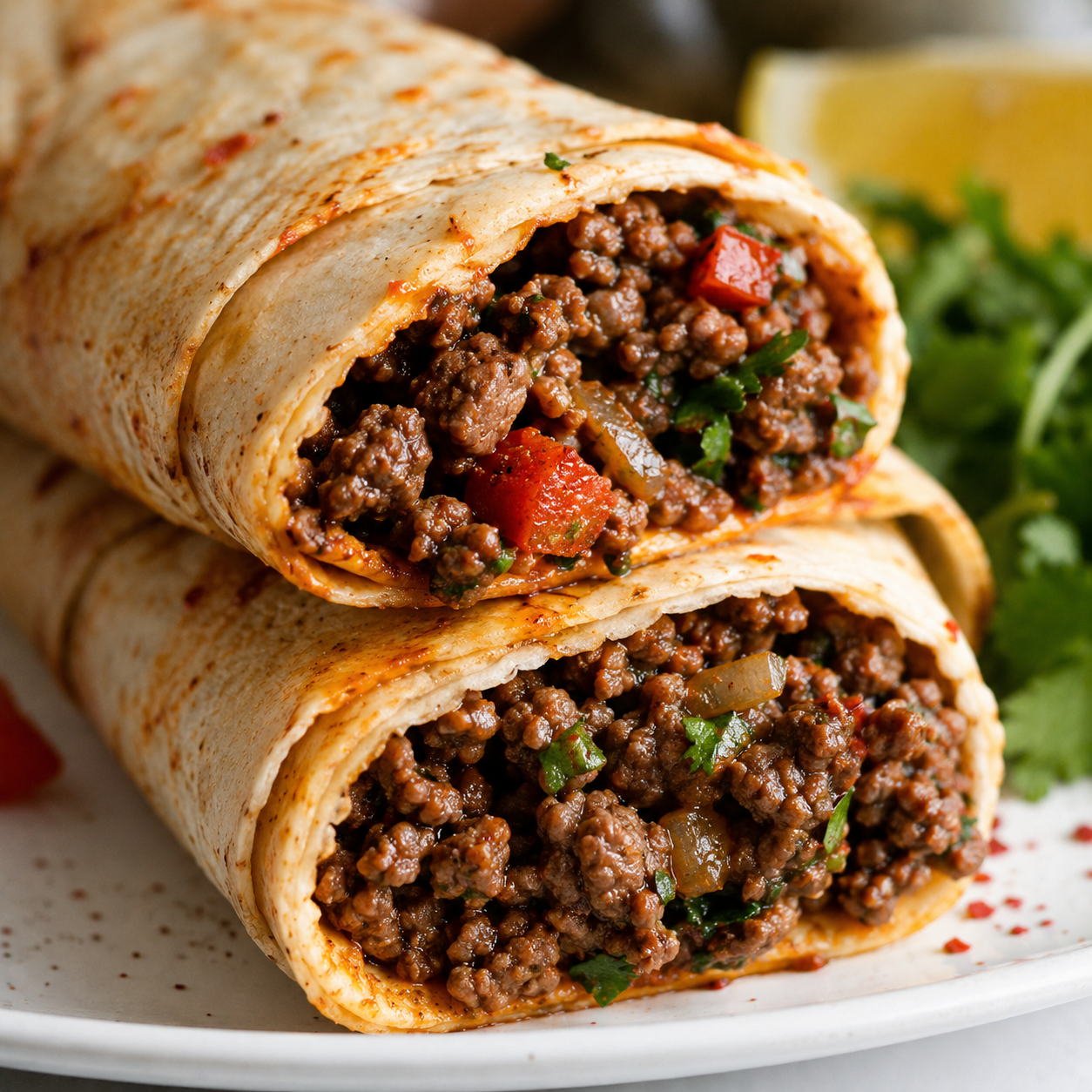
Tantuni is one of Türkiye’s most beloved street foods, originating from the Mediterranean city of Mersin. Famous for its thinly sliced meat, aromatic spices, fresh vegetables, and soft lavash bread, Tantuni has evolved from a regional specialty into a nationwide favorite.
At first glance, Tantuni may resemble a wrap or burrito, but its preparation method is uniquely Turkish. The meat is finely chopped, cooked on a large metal griddle, seasoned with spices, and often lightly moistened with cooking juices before being wrapped in thin flatbread. The result is a flavorful, juicy, and satisfying meal that can be enjoyed at any time of day.
In Mersin, authentic Tantuni is traditionally made with beef or lamb that is first boiled until tender and then finished on a hot griddle. This two-stage cooking method creates the signature texture that distinguishes Tantuni from other meat wraps. Combined with fresh parsley, tomatoes, onions, and a squeeze of lemon, each bite delivers a perfect balance of richness and freshness.
Today, Tantuni shops can be found throughout Türkiye, from small family-run restaurants to busy city centers. While many people associate Turkish street food with döner kebab, countless locals consider Tantuni to be one of the country’s greatest culinary treasures.
Fortunately, recreating authentic Tantuni at home is easier than many people imagine.
Why You’ll Love This Recipe
- Authentic Turkish street food experience
- Rich, savory, and slightly spicy flavor
- Simple ingredients with incredible results
- Perfect for lunch or dinner
- Ready faster than many traditional kebabs
- Customizable spice level
- Great for feeding a crowd
- Packed with fresh vegetables and herbs
Recipe
- Course: Main Course
- Preparation Time: 25 minutes
- Cooking Time: 45 minutes
- Total Time: 1 hour 10 minutes
- Servings: 6 wraps
- Cuisine: Turkish
Ingredients
For the Meat
- 700 g (1½ lbs) beef flank steak, sirloin, or lamb, finely diced
- 2 tablespoons vegetable oil
- 1 tablespoon butter
- 1 teaspoon salt
- 1 teaspoon paprika
- ½ teaspoon ground cumin
- ½ teaspoon black pepper
- ½ teaspoon chili flakes (optional)
- 1 cup water
For the Filling
- 2 medium tomatoes, finely diced
- 1 medium onion, thinly sliced
- ½ cup fresh parsley, chopped
- Lemon wedges for serving
For Serving
- 6 large lavash breads or thin flatbreads
- Extra chili flakes
- Pickled peppers (optional)
Instructions
1. Prepare the Meat
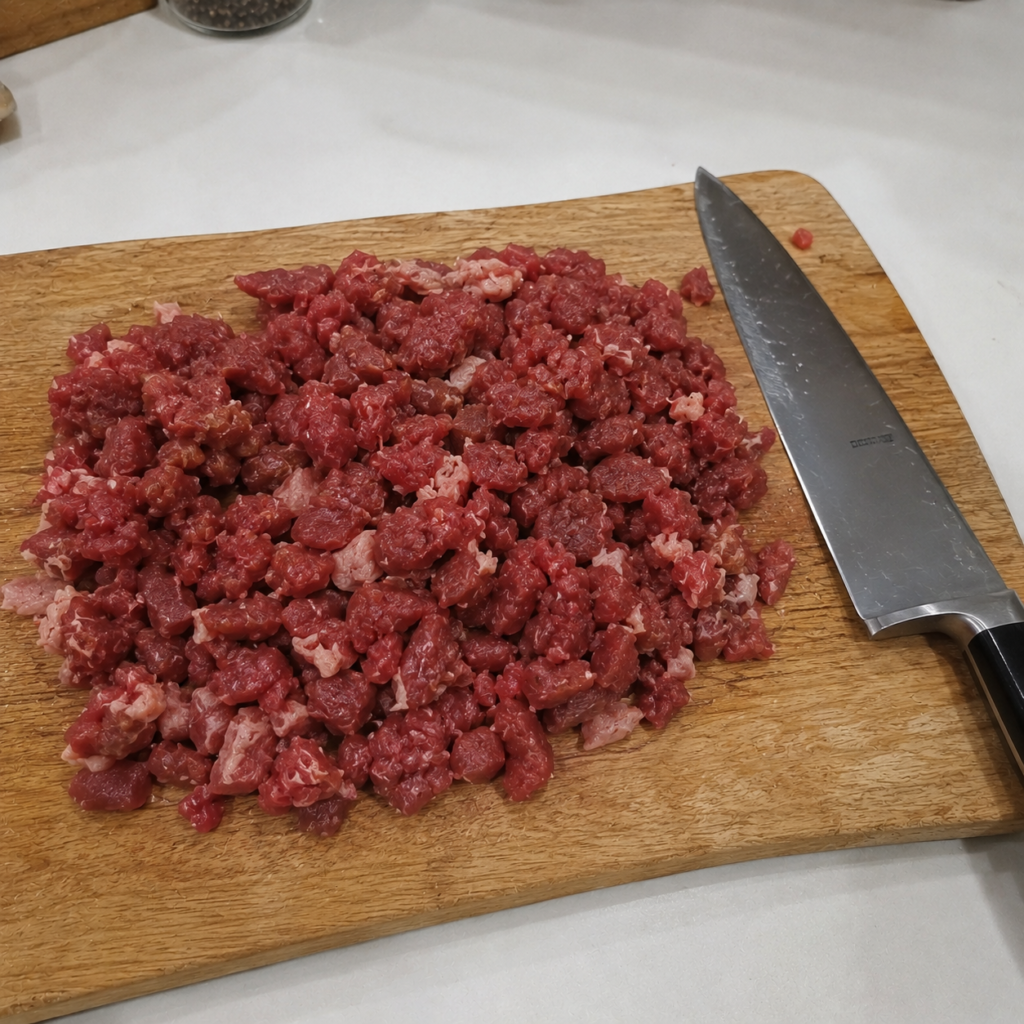
Cut the beef or lamb into very small cubes.
Traditional Tantuni uses finely chopped meat rather than large chunks.
Smaller pieces cook more evenly and create the characteristic texture of the dish.
If desired, partially freeze the meat for 20–30 minutes before slicing, which makes cutting much easier.
2. Simmer Until Tender
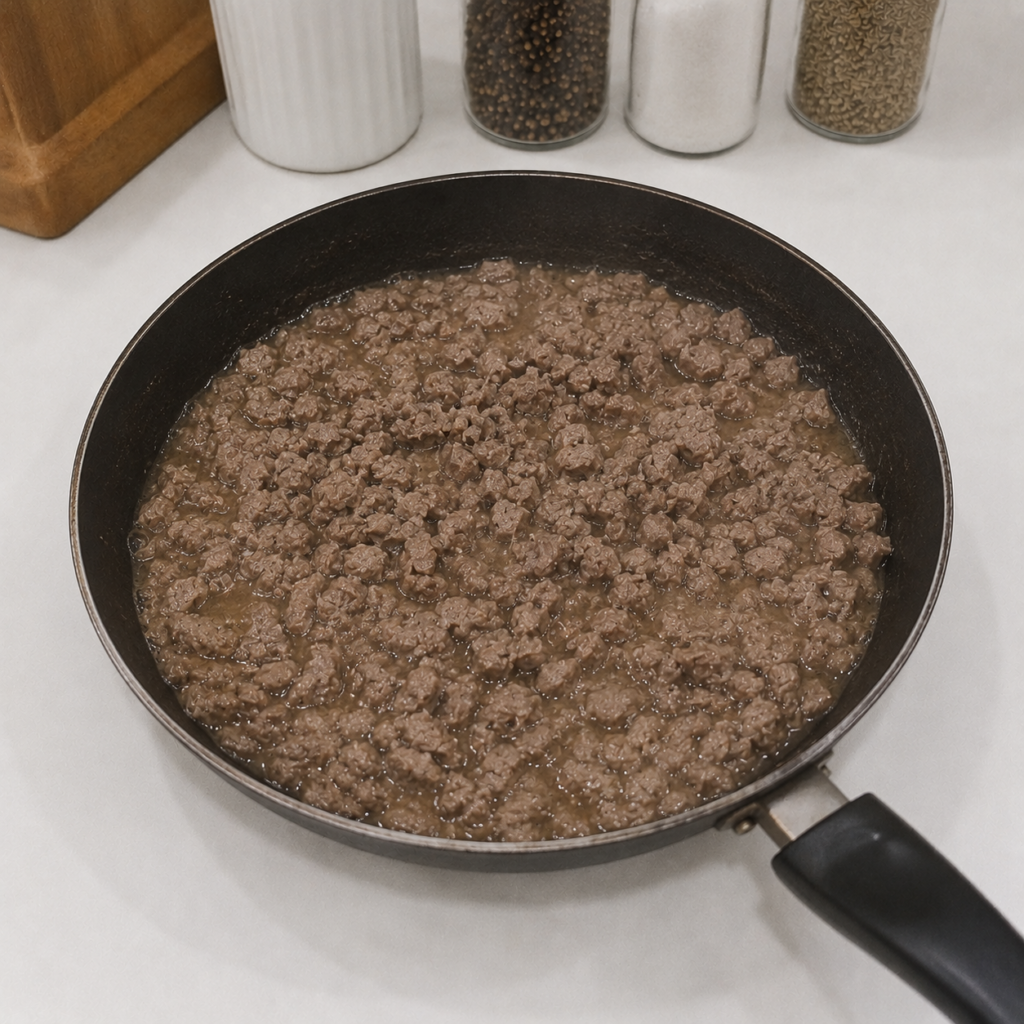
Place the meat in a large skillet or saucepan.
Add the water and bring to a gentle simmer.
Cook for approximately 25–30 minutes until the liquid evaporates and the meat becomes tender.
This step is essential for achieving authentic Tantuni texture.
Unlike many grilled meat dishes, Tantuni relies on tenderness rather than charred crusts.
3. Season and Finish Cooking
Add the vegetable oil and butter to the cooked meat.
Sprinkle in the salt, paprika, cumin, black pepper, and chili flakes.
Cook over medium-high heat for 5–7 minutes, stirring frequently.
The spices should coat every piece of meat evenly.
As the meat sizzles, it will begin developing deeper flavor while remaining juicy.
4. Prepare the Vegetables
While the meat cooks, finely dice the tomatoes.
Thinly slice the onions.
Chop the parsley.
Combine them in a bowl and set aside.
The fresh vegetables provide a refreshing contrast to the rich meat filling.
5. Warm the Lavash
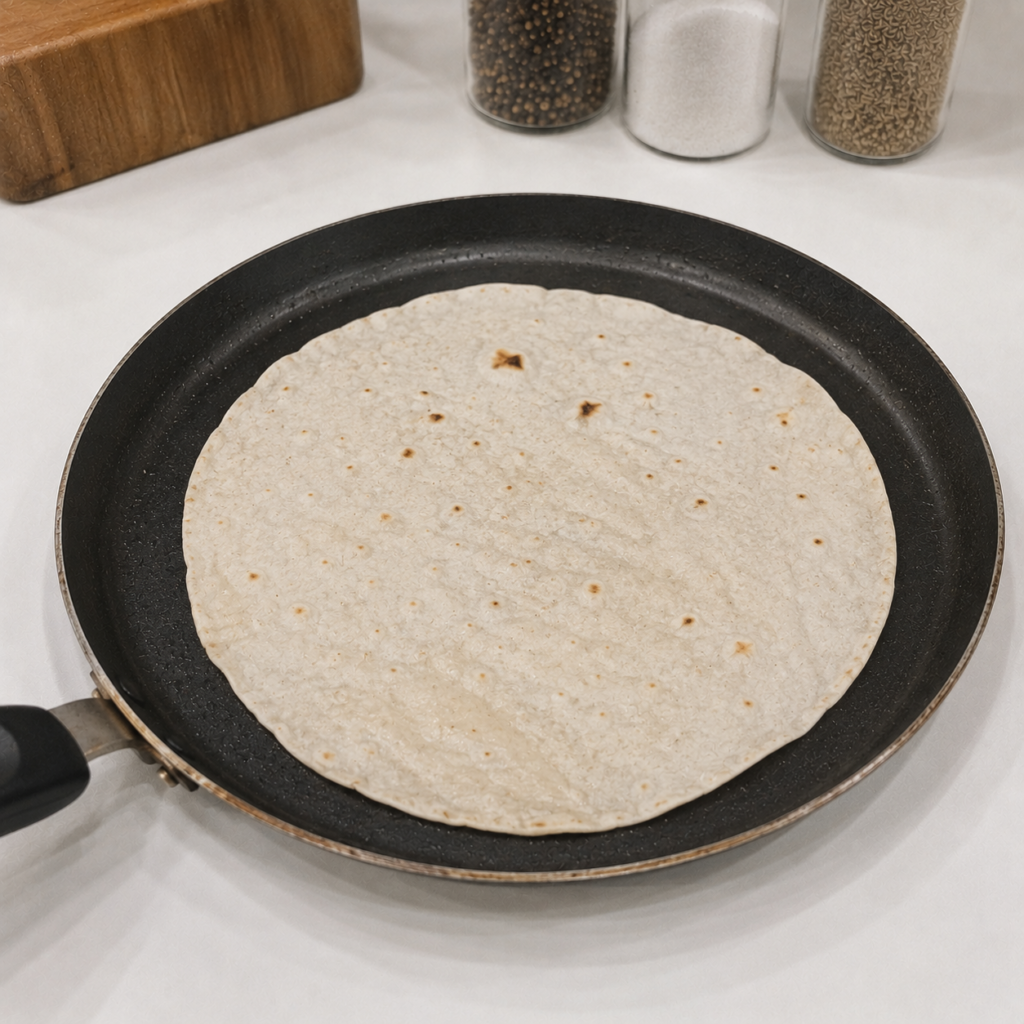
Briefly warm each lavash bread in a dry skillet or on a griddle.
Warm bread becomes more flexible and easier to roll.
Avoid overheating, which may cause cracking.
6. Assemble the Tantuni
Place a portion of the meat in the center of a warm lavash.
Top with tomatoes, onions, and parsley.
Add a squeeze of fresh lemon juice.
Some people also sprinkle additional chili flakes for extra heat.
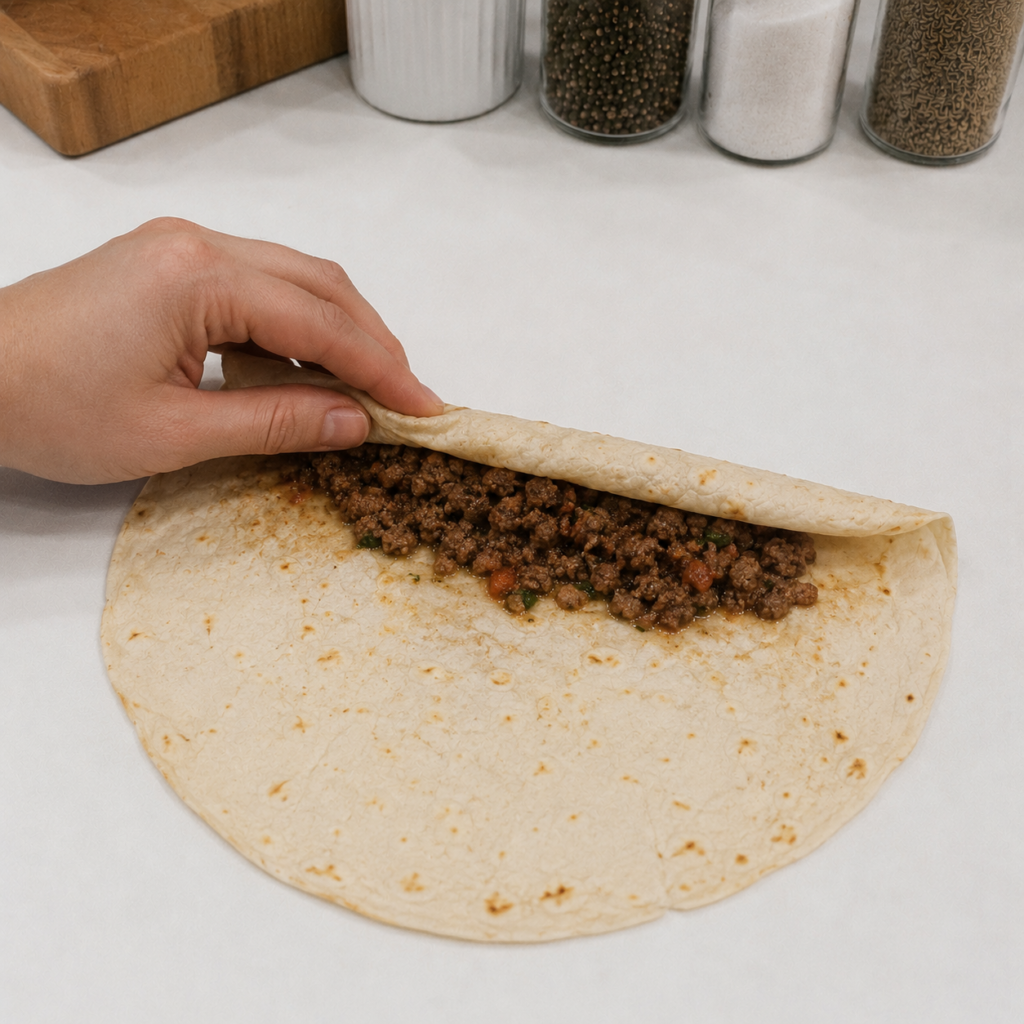
7. Roll the Wrap
Fold the sides inward.
Roll tightly into a wrap.
The goal is to keep all fillings secure while maintaining a comfortable eating size.
8. Serve Immediately
Serve the Tantuni while still warm.
Offer lemon wedges and pickled peppers on the side.
For the most authentic experience, enjoy it fresh from the griddle.
The Story of Tantuni
Tantuni traces its roots to the city of Mersin, located along Türkiye’s Mediterranean coast.
The dish emerged as a practical and affordable meal for workers who needed something filling, portable, and flavorful. Over time, local cooks refined the preparation technique, creating the version known today.
One of the defining features of traditional Mersin-style Tantuni is the use of a large circular metal griddle. The meat is spread across the surface, cooked with spices, and occasionally moistened with cooking juices to maintain tenderness.
As internal migration increased throughout Türkiye during the twentieth century, Mersin residents introduced Tantuni to other cities. The dish rapidly gained popularity, eventually becoming one of the country’s most recognizable street foods.
Today, countless restaurants specialize exclusively in Tantuni, serving thousands of wraps daily.
What Makes Tantuni Different?
Many cuisines feature meat-filled flatbreads, but Tantuni possesses several unique characteristics.
Two-Stage Cooking Process
The meat is typically simmered first and then finished on a hot griddle.
This creates a distinctive texture that is both tender and flavorful.
Finely Chopped Meat
Unlike kebabs that use large cubes or slices, Tantuni relies on very small pieces of meat.
This allows the seasoning to coat every bite.
Fresh Garnishes
Tomatoes, onions, parsley, and lemon provide brightness and freshness.
Thin Lavash Bread
The delicate bread allows the meat to remain the focus.
Balanced Flavor
Tantuni emphasizes savory spice rather than overwhelming heat.
Things to Consider
Slice the Meat Small
Smaller pieces produce the most authentic texture.
Large chunks can make the wrap difficult to eat.
Don’t Skip the Simmering Stage
The initial simmering step helps tenderize the meat.
This technique is a major part of traditional preparation.
Use Fresh Parsley
Fresh herbs add essential brightness.
Dried herbs are not a suitable substitute.
Serve Immediately
Tantuni is best enjoyed hot and freshly assembled.
Regional Variations
Throughout Türkiye, different versions of Tantuni can be found.
Traditional Mersin Tantuni
Usually made with beef or lamb.
Often served with lemon and pickled peppers.
Spicy Tantuni
Includes additional chili flakes or hot peppers.
Chicken Tantuni
A popular modern variation using chicken breast or thigh meat.
Double Meat Tantuni
Features extra meat for a heartier meal.
Despite these variations, the basic concept remains the same.
Serving Suggestions
Tantuni pairs wonderfully with several traditional accompaniments.
Popular choices include:
- Pickled green peppers
- Ayran
- Turkish tea
- Shepherd’s salad
- French fries
- Fresh lemon wedges
- Roasted peppers
- Cacık
A cold glass of ayran is perhaps the most classic pairing.
Storage
Refrigerator
Store cooked meat separately in an airtight container for up to 3 days.
Freezer
The cooked meat freezes well for up to 2 months.
Reheating
Reheat the meat in a skillet over medium heat.
Assemble the wraps only when ready to serve.
Tips for Success
- Dice the meat very finely.
- Use fresh lemon juice.
- Warm the lavash before rolling.
- Don’t overload the wraps.
- Keep vegetables fresh and crisp.
- Adjust spice levels to your preference.
- Serve immediately after assembly.
- Use quality beef or lamb for best flavor.
Frequently Asked Questions
What kind of meat is used in Tantuni?
Traditional versions use beef or lamb, although chicken variations are also popular.
Is Tantuni spicy?
It can be mildly spicy, but the heat level is easily adjusted.
Can I make it ahead of time?
The meat can be prepared ahead, but the wraps should be assembled just before serving.
What’s the difference between Tantuni and Döner?
Döner uses vertically roasted meat sliced from a rotating spit, while Tantuni uses finely chopped meat cooked on a griddle.
Can I use tortillas instead of lavash?
Yes, although lavash provides a more authentic result.
Is Tantuni healthy?
When prepared with lean meat and fresh vegetables, Tantuni can be a balanced and satisfying meal.
Final Thoughts
Tantuni perfectly captures the spirit of Turkish street food. Simple ingredients, careful preparation, and bold flavor come together to create a meal that is both comforting and exciting.
The combination of tender spiced meat, fresh vegetables, bright lemon, and soft lavash bread has made Tantuni a favorite for generations. Whether enjoyed from a bustling street vendor in Mersin or prepared in your own kitchen, it offers a delicious glimpse into one of Türkiye’s most cherished culinary traditions.
If you’re looking to expand your collection of Turkish recipes beyond kebabs and döner, Tantuni is an excellent place to start. Its approachable ingredients, satisfying flavor, and authentic heritage make it a dish you’ll want to prepare again and again.
Afiyet olsun!