
 By Fatih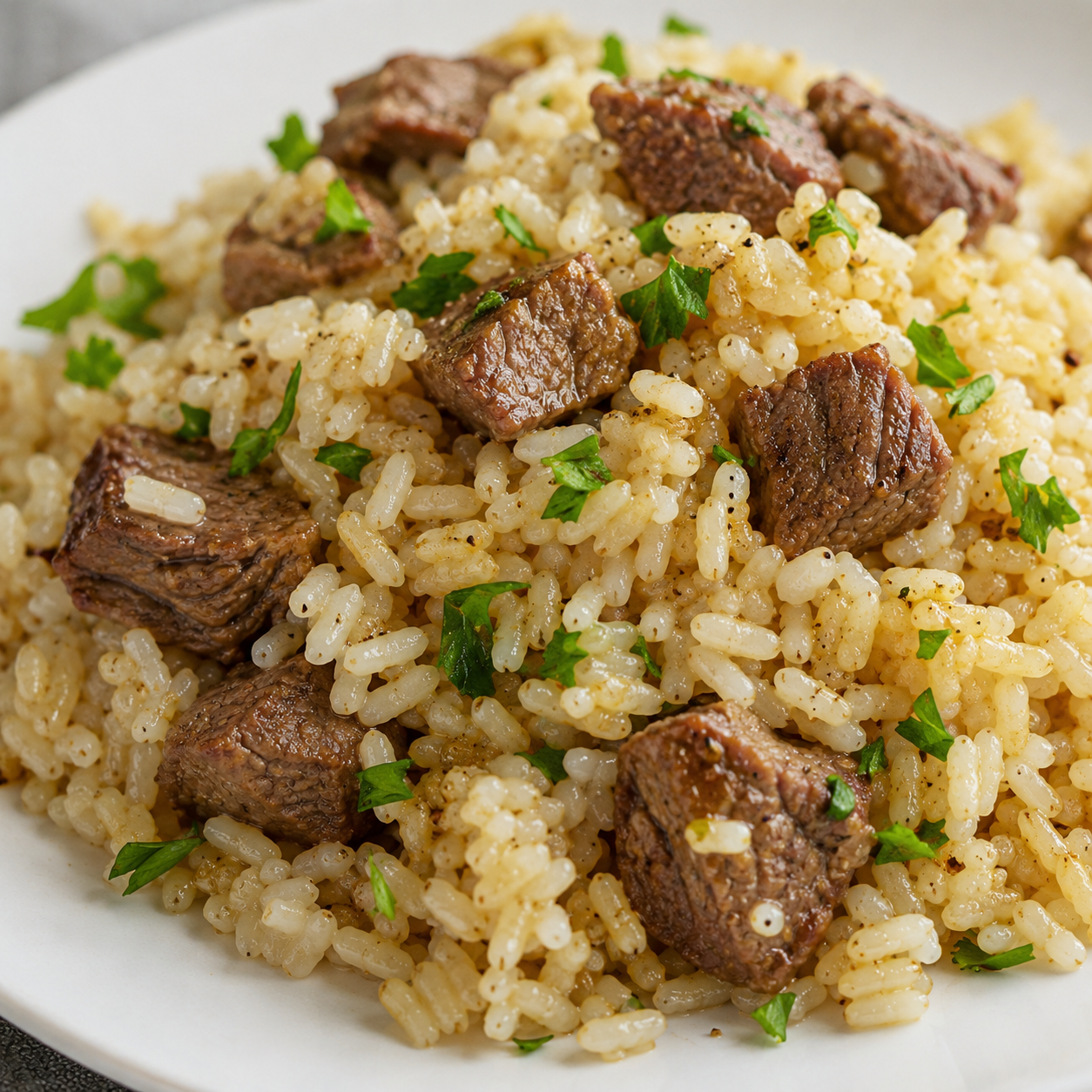
Few dishes represent the comforting spirit of Turkish home cooking as beautifully as Etli Pilav. This traditional rice dish combines fluffy pilaf rice with tender chunks of slow-cooked meat, creating a meal that is both simple and deeply satisfying. Found throughout Türkiye in countless regional variations, Etli Pilav has long been a staple of family gatherings, festive meals, and everyday dinners.
At first glance, Etli Pilav may seem like a straightforward combination of rice and meat. However, like many beloved Turkish dishes, its magic lies in technique rather than complexity. Perfectly cooked rice should remain separate and fluffy, while the meat should be rich, succulent, and infused with aromatic flavors from onions, butter, and stock.
Pilaf has occupied an important place in Turkish cuisine for centuries. Traditional Turkish cooking includes numerous pilaf varieties ranging from plain butter rice to chickpea pilaf, eggplant pilaf, and meat-based versions like Etli Pilav. The defining characteristic of a successful Turkish pilaf is that every grain remains distinct rather than sticky or mushy.
This recipe follows a classic Turkish approach, resulting in a flavorful one-pot meal that can be served on its own or alongside yogurt, salads, and traditional meze dishes.
- Cooking Time: 1 hour 20 minutes
- Total Time: 1 hour 40 minutes
- Serving: 6 servings
- Cuisine: Turkish
Why You’ll Love This Recipe
- Rich and comforting Turkish comfort food
- Made with simple pantry ingredients
- Perfect for family dinners and special occasions
- Tender meat and fluffy rice in every bite
- Easy to prepare ahead of time
- Authentic flavors inspired by traditional Turkish cuisine
- Naturally filling and satisfying
- Excellent for meal prep and leftovers
Ingredients
For the Meat
- 700 g (1½ lbs) lamb shoulder or beef stew meat, cut into cubes
- 2 tablespoons butter
- 1 tablespoon olive oil
- 1 large onion, finely diced
- 1 teaspoon salt
- ½ teaspoon black pepper
- 4 cups beef or lamb stock
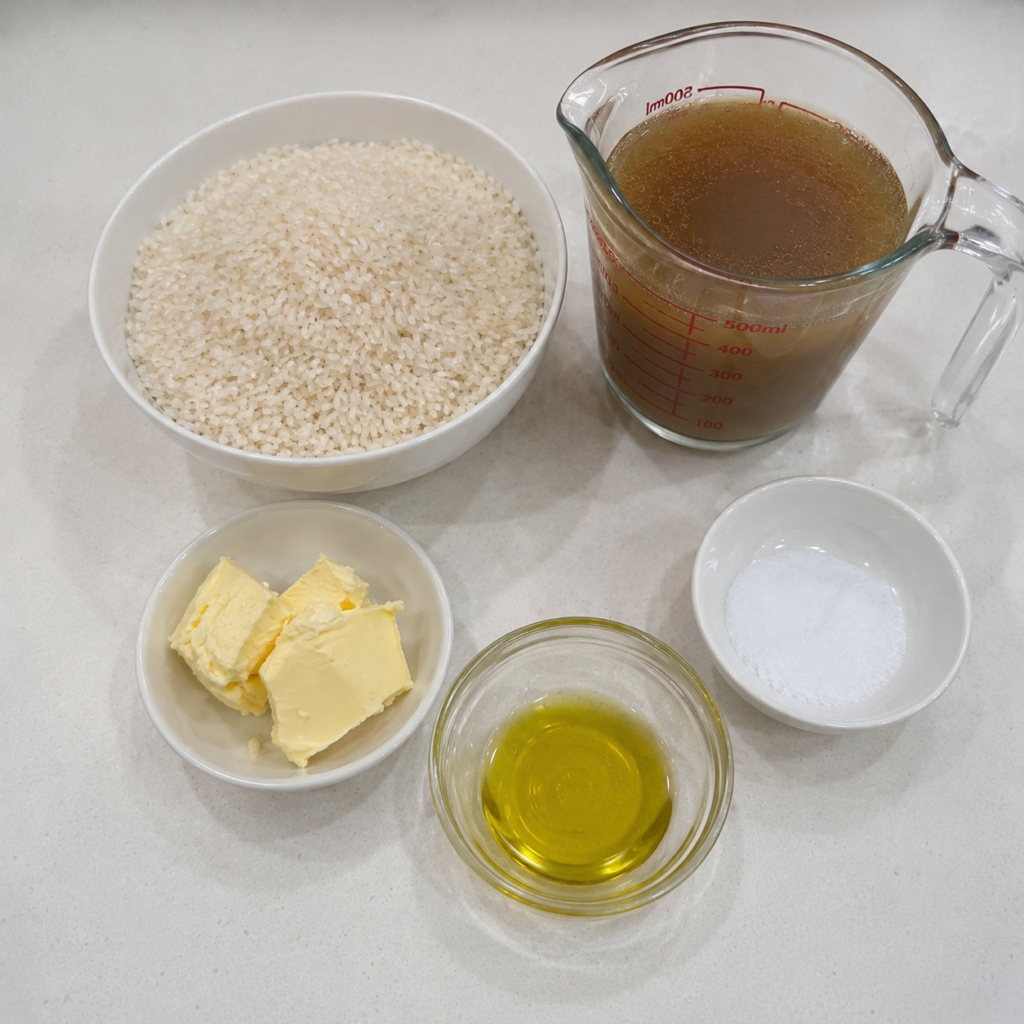
For the Rice Pilaf
- 2 cups Turkish baldo rice or long-grain rice
- 3 tablespoons butter
- 2 tablespoons olive oil
- 1 teaspoon salt
- 3 cups hot meat stock (reserved from cooking the meat)
Optional Garnishes
- Fresh parsley, chopped
- Cracked black pepper
- Toasted pine nuts
- Sliced green peppers
Instructions
1. Prepare the Rice
Place the rice in a large bowl and rinse several times under cold water until the water runs mostly clear.
Traditional Turkish cooks often soak rice before cooking to remove excess starch and help achieve the signature fluffy texture. Cover the rice with warm water and allow it to soak for about 20 minutes.
Drain thoroughly and set aside.
2. Cook the Meat
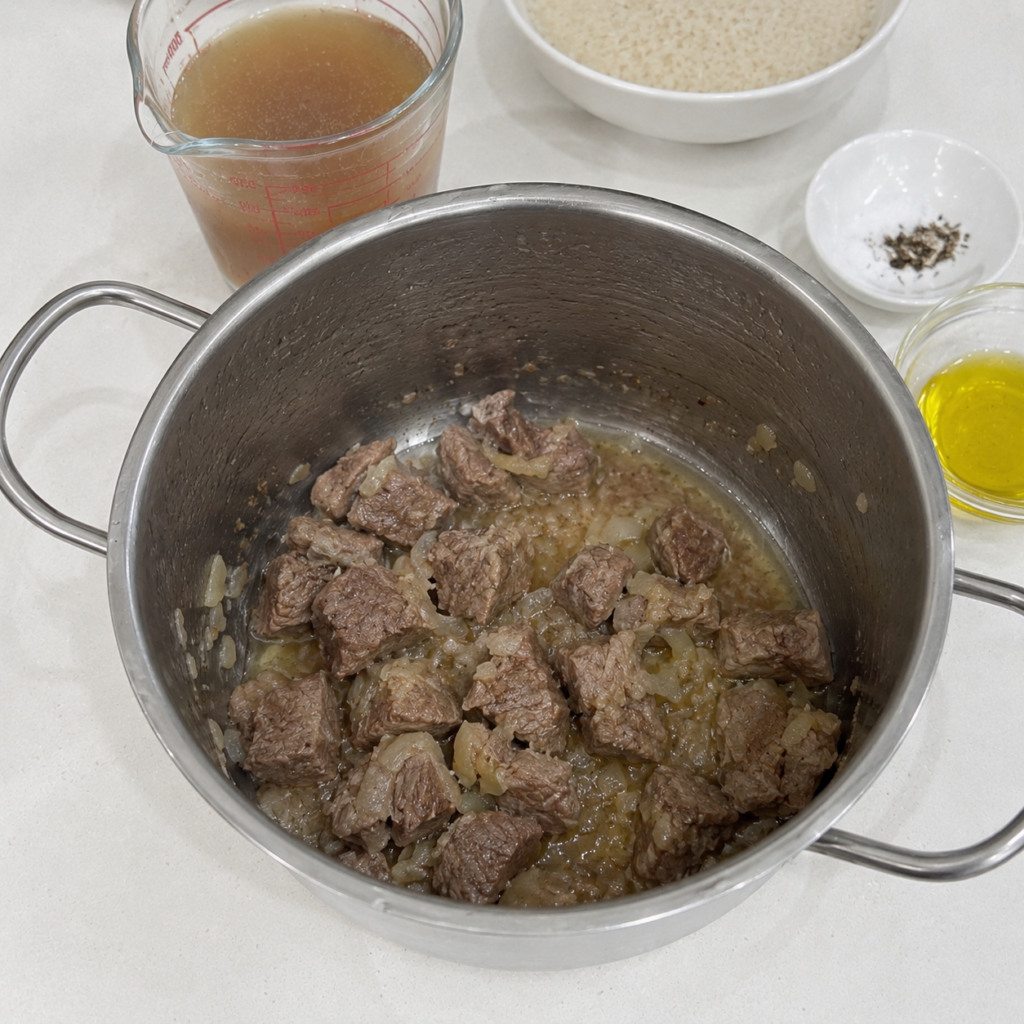
Heat the butter and olive oil in a heavy-bottomed pot or Dutch oven over medium-high heat.
Add the meat cubes and brown them on all sides. Do not overcrowd the pot, as this prevents proper browning.
Once the meat develops a rich golden color, add the diced onion and continue cooking until softened and lightly translucent.
Season with salt and black pepper.
Pour in the stock and bring everything to a gentle boil.
Reduce the heat to low, cover the pot, and simmer for approximately 50–60 minutes, or until the meat becomes fork-tender.
Cooking time may vary depending on the cut of meat you use.
When the meat is ready, remove it from the stock using a slotted spoon. Reserve the cooking liquid, as it will become the flavorful base for the pilaf.
3. Toast the Rice
In a separate large pot, melt the butter together with the olive oil over medium heat.
Add the drained rice and stir continuously for 4–5 minutes.
This step is extremely important in Turkish pilaf-making. Coating the grains in butter helps keep them separate during cooking while also adding a rich, nutty flavor.
The rice should appear glossy but not browned.
4. Combine the Ingredients
Add the cooked meat to the rice.
Gently stir everything together to distribute the meat evenly throughout the pot.
Measure 3 cups of the reserved hot stock and pour it over the rice mixture.
Taste the liquid and adjust the seasoning if necessary.
Bring the mixture to a gentle boil.
5. Cook the Pilaf
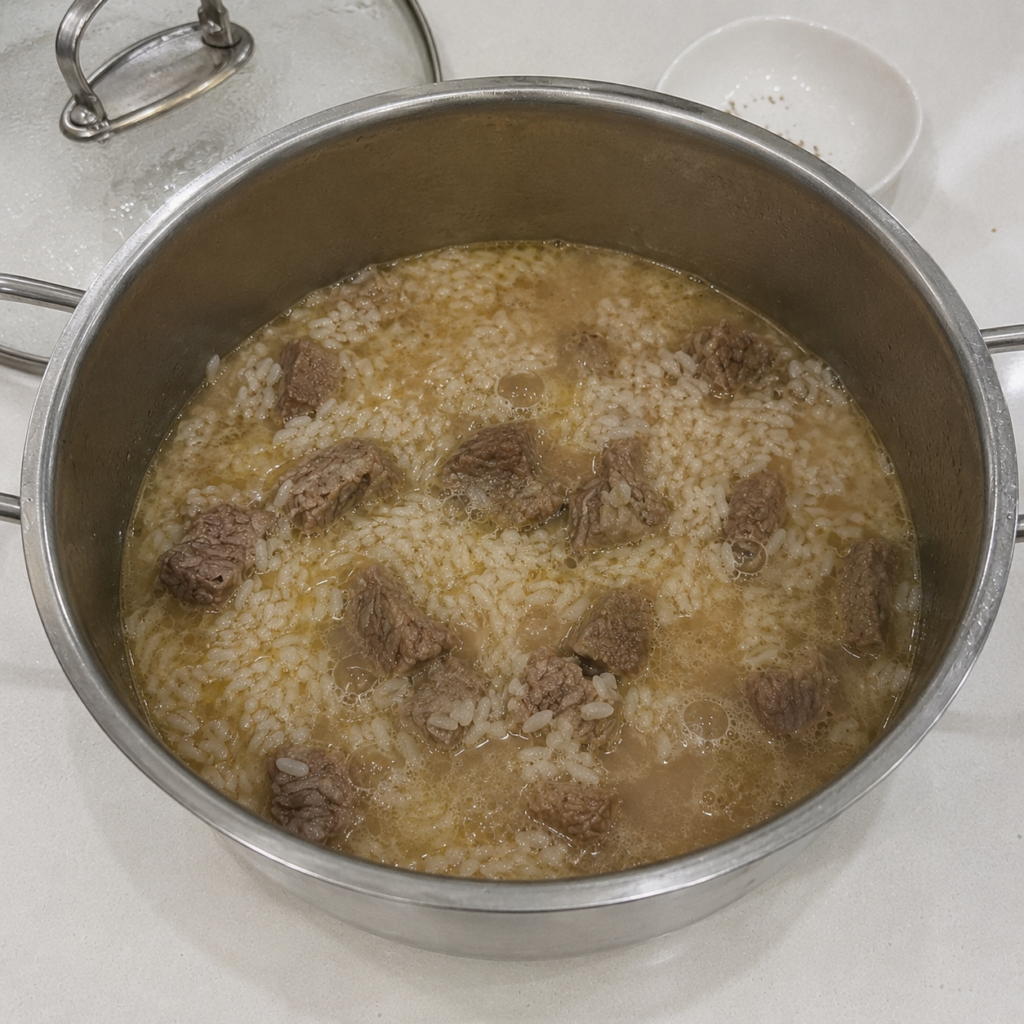
Once boiling, reduce the heat to its lowest setting.
Cover the pot tightly with a lid.
Cook for approximately 15–18 minutes without lifting the lid.
During this time, the rice will absorb the stock and become tender while taking on the rich flavors of the meat.
6. Rest the Pilaf
When the liquid has been absorbed, remove the pot from the heat.
Place a clean kitchen towel or paper towel between the pot and the lid.
Allow the pilaf to rest for 15 minutes.
This traditional Turkish technique helps absorb excess moisture and ensures that the grains remain light and fluffy.
7. Fluff and Serve
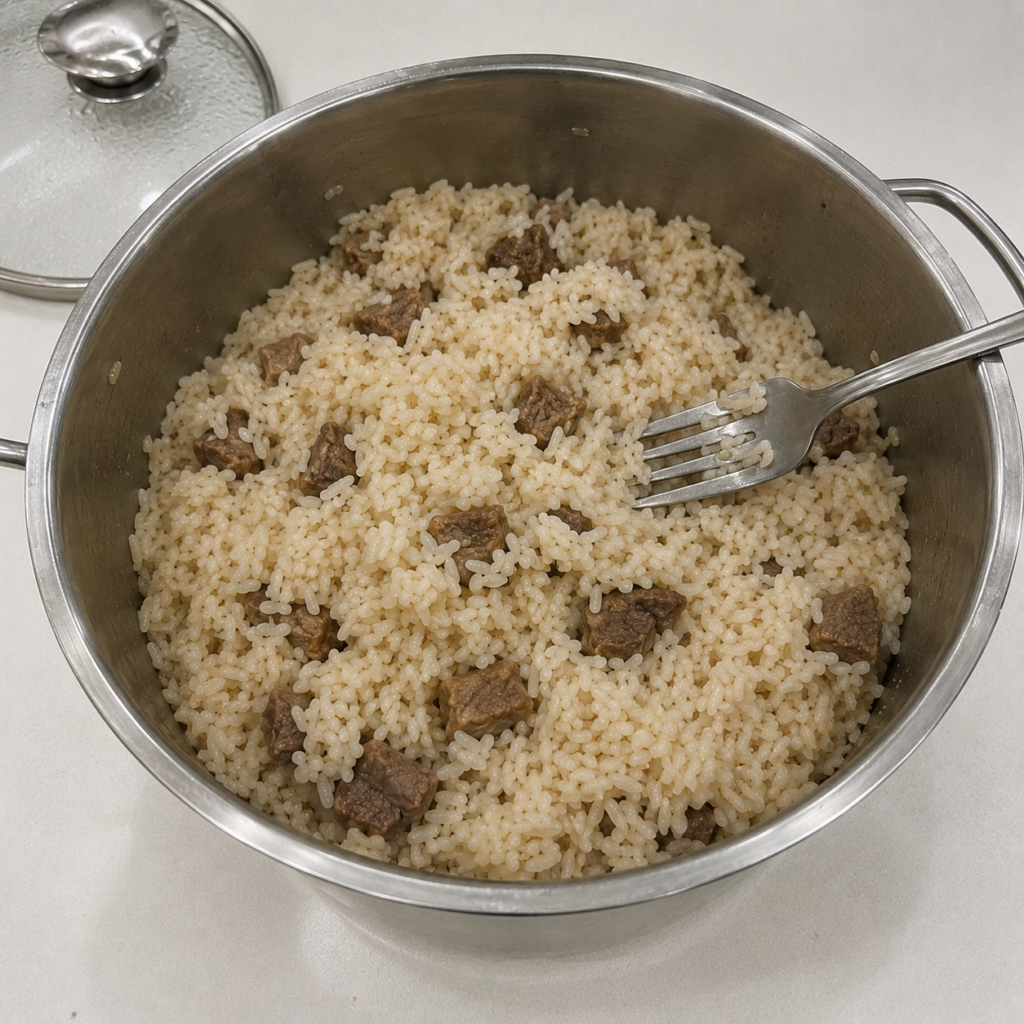
Remove the towel and gently fluff the rice using a fork.
Avoid vigorous stirring, which can break the grains and create a sticky texture.
Transfer the Etli Pilav to a serving platter and garnish with parsley, pine nuts, or freshly cracked black pepper if desired.
Serve immediately while hot.
The History of Etli Pilav
Pilaf has a long history that stretches across the Middle East, Central Asia, and Anatolia. Food historians trace some of the earliest documented pilaf recipes to Persian culinary traditions, which later spread throughout neighboring regions. Over time, the dish evolved into countless regional interpretations.
In Türkiye, pilaf became an essential component of everyday meals and ceremonial feasts alike. Turkish cuisine developed numerous variations using rice, bulgur, vegetables, chickpeas, seafood, and meat. Etli Pilav emerged as one of the most beloved versions, particularly in regions where livestock farming played a major role in local food culture.
Historically, meat-based pilafs were often prepared for celebrations, weddings, religious holidays, and gatherings where large groups of people shared meals together. The combination of rice and meat provided both nourishment and hospitality, two values deeply embedded in Turkish culinary traditions.
Today, Etli Pilav remains a cherished comfort food served in homes, restaurants, and traditional lokantas throughout the country.
Things to Consider
Choose the Right Rice
Turkish Baldo rice is often considered the best choice for authentic pilaf because it absorbs flavor well while maintaining its structure.
If Baldo rice is unavailable, other long-grain varieties can work successfully.
Use Good Stock
Because the rice absorbs all of the cooking liquid, the quality of the stock greatly impacts the final flavor.
Homemade stock provides the richest result, but a high-quality store-bought stock can also work well.
Don’t Skip the Resting Period
Many home cooks rush this step, but resting the pilaf is crucial for achieving the proper texture.
The resting period allows the moisture to distribute evenly throughout the rice.
Avoid Over-Stirring
Once the liquid has been added, excessive stirring can release starch and make the pilaf sticky.
Gentle handling produces the best results.
Serving Suggestions
Etli Pilav can be served as a complete meal, but it also pairs beautifully with classic Turkish side dishes.
Some excellent accompaniments include:
- Cacık (Turkish yogurt with cucumber and herbs)
- Shepherd’s salad (Çoban Salatası)
- Pickled vegetables
- Roasted peppers
- Ayran
- Fresh crusty bread
- Grilled vegetables
For a traditional Turkish dining experience, serve the pilaf alongside a variety of small meze plates and seasonal salads.
Storage
Refrigerator
Store leftover Etli Pilav in an airtight container in the refrigerator for up to 3 days.
Freezer
The pilaf can be frozen for up to 2 months.
Allow it to cool completely before transferring to freezer-safe containers.
Reheating
Reheat gently in a covered skillet with a few tablespoons of water or stock.
This helps restore moisture and prevents the rice from drying out.
Tips for Success
- Soak and rinse the rice thoroughly before cooking.
- Brown the meat properly for deeper flavor.
- Use butter for authentic Turkish taste.
- Keep the heat low while cooking the rice.
- Never lift the lid repeatedly during cooking.
- Allow the pilaf to rest before serving.
- Fluff with a fork rather than a spoon.
- Use freshly made stock whenever possible.
Frequently Asked Questions
Can I use beef instead of lamb?
Yes. Beef is commonly used in many Turkish households and produces excellent results. Stew meat, chuck roast, or beef shoulder work particularly well.
What type of rice is best?
Baldo rice is the traditional choice in Türkiye, but other long-grain rice varieties can also be used successfully.
Can I make Etli Pilav ahead of time?
Absolutely. The flavors often become even richer after resting for several hours, making it ideal for meal preparation.
Why is my pilaf sticky?
Sticky pilaf usually results from insufficient rinsing, too much stirring, or excess liquid during cooking.
Can I add vegetables?
Yes. Some regional variations include carrots, chickpeas, or peppers, although the classic version focuses primarily on meat and rice.
Is Etli Pilav a main dish or side dish?
Because it contains substantial amounts of meat, Etli Pilav is typically served as a main course.
Final Thoughts
Etli Pilav is one of those timeless dishes that proves great cooking does not require complicated ingredients. With tender meat, buttery rice, and deeply savory stock, it delivers remarkable flavor through simple techniques and careful preparation.
Whether you’re exploring Turkish cuisine for the first time or looking to recreate the comforting meals of Anatolian home cooking, this traditional meat pilaf deserves a place in your recipe collection. Its satisfying combination of fluffy rice and succulent meat makes it a dish that feels equally appropriate for a quiet family dinner or a festive gathering around the table.
Once you master the fundamentals of Turkish pilaf, you’ll understand why generations of cooks have treasured this humble yet extraordinary dish. Every spoonful offers warmth, tradition, and the unmistakable comfort of authentic Turkish cooking.
Afiyet olsun!