
 By Fatih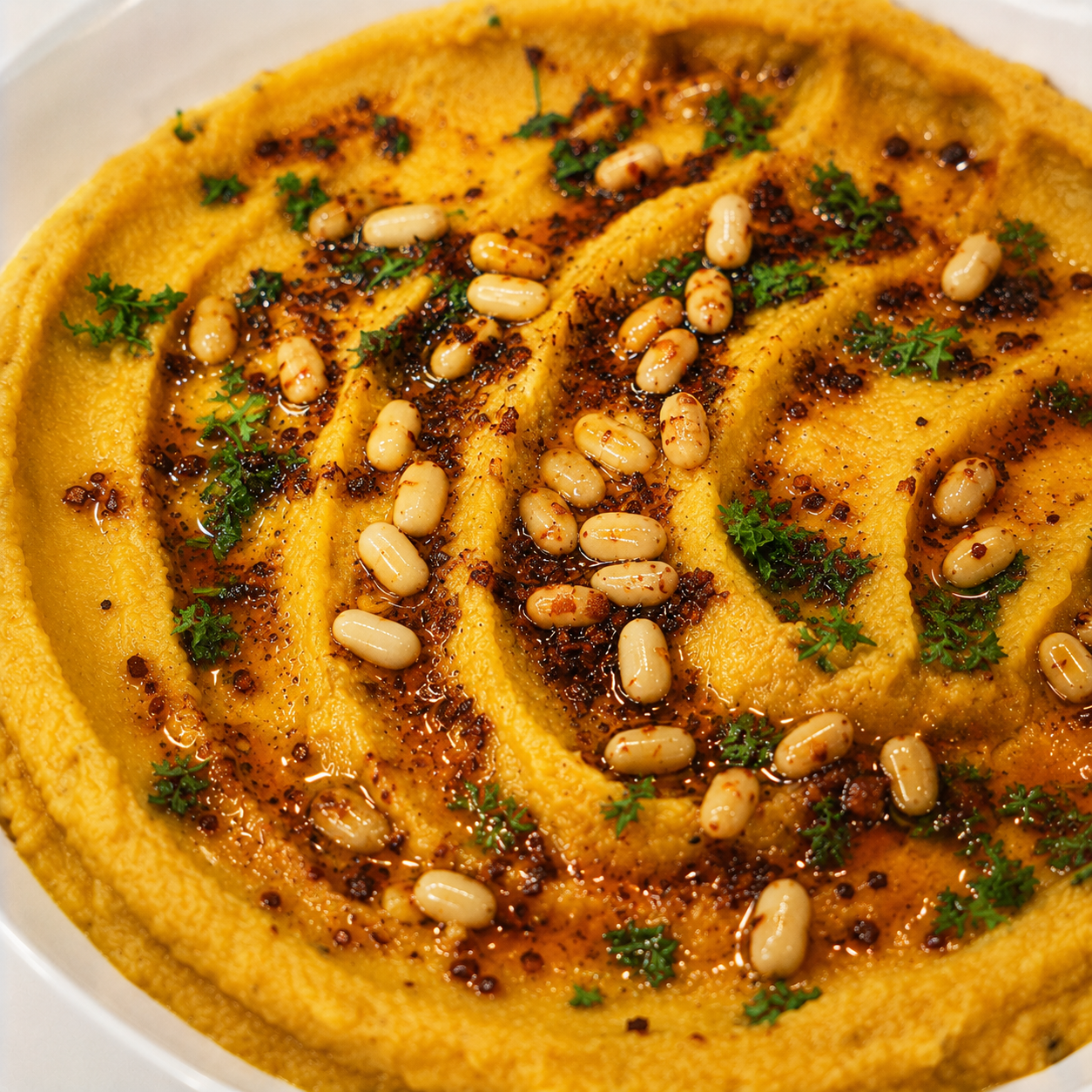
Turkish cuisine is famous for its rich variety of mezes, and among them, Sultan Mezesi stands out as one of the most elegant and comforting options. Made with creamy red lentils, caramelized onions, garlic, olive oil, and topped with toasted pine nuts, this traditional appetizer transforms simple pantry ingredients into a dish worthy of its royal name.
The word “sultan” immediately brings to mind the grandeur of the Ottoman Empire, and while this meze is made from humble ingredients, its flavor is anything but ordinary. The smooth texture of the lentil puree, combined with the sweetness of sautéed onions and the nutty richness of pine nuts, creates a sophisticated appetizer that feels both luxurious and comforting.
Red lentils have played an important role in Turkish cooking for centuries. They are affordable, nutritious, versatile, and easy to prepare. While most people associate red lentils with Mercimek Çorbası (Turkish Lentil Soup), they are also used in many appetizers, side dishes, and vegetarian recipes.
Sultan Mezesi is especially popular because it offers a unique alternative to yogurt-based mezes. It is naturally vegan, protein-rich, and packed with flavor. The lentils create a creamy base without requiring dairy, making it suitable for a variety of dietary preferences.
This meze is often served as part of a larger Turkish meze spread alongside dishes such as hummus, haydari, ezme, muhammara, and stuffed grape leaves. However, it is equally enjoyable as a light lunch, healthy snack, or side dish.
Whether you are preparing a holiday feast, hosting guests, or simply exploring Turkish cuisine, Sultan Mezesi is a wonderful recipe to add to your collection.
Why You’ll Love This Recipe
One of the biggest advantages of Sultan Mezesi is its simplicity. Despite its impressive appearance and flavor, it requires only a handful of ingredients.
The recipe is naturally vegan and packed with plant-based protein thanks to the red lentils.
It can be served warm, at room temperature, or chilled, making it ideal for entertaining.
The creamy texture and rich flavor pair beautifully with bread, crackers, grilled vegetables, and other mezes.
Most importantly, it delivers authentic Turkish flavors while remaining incredibly easy to prepare.
Recipe Information
- Prep Time: 10 minutes
- Cook Time: 25 minutes
- Total Time: 35 minutes
- Servings: 4-6
- Cuisine: Turkish
- Course: Meze / Appetizer
- Calories: Approximately 180 kcal per serving
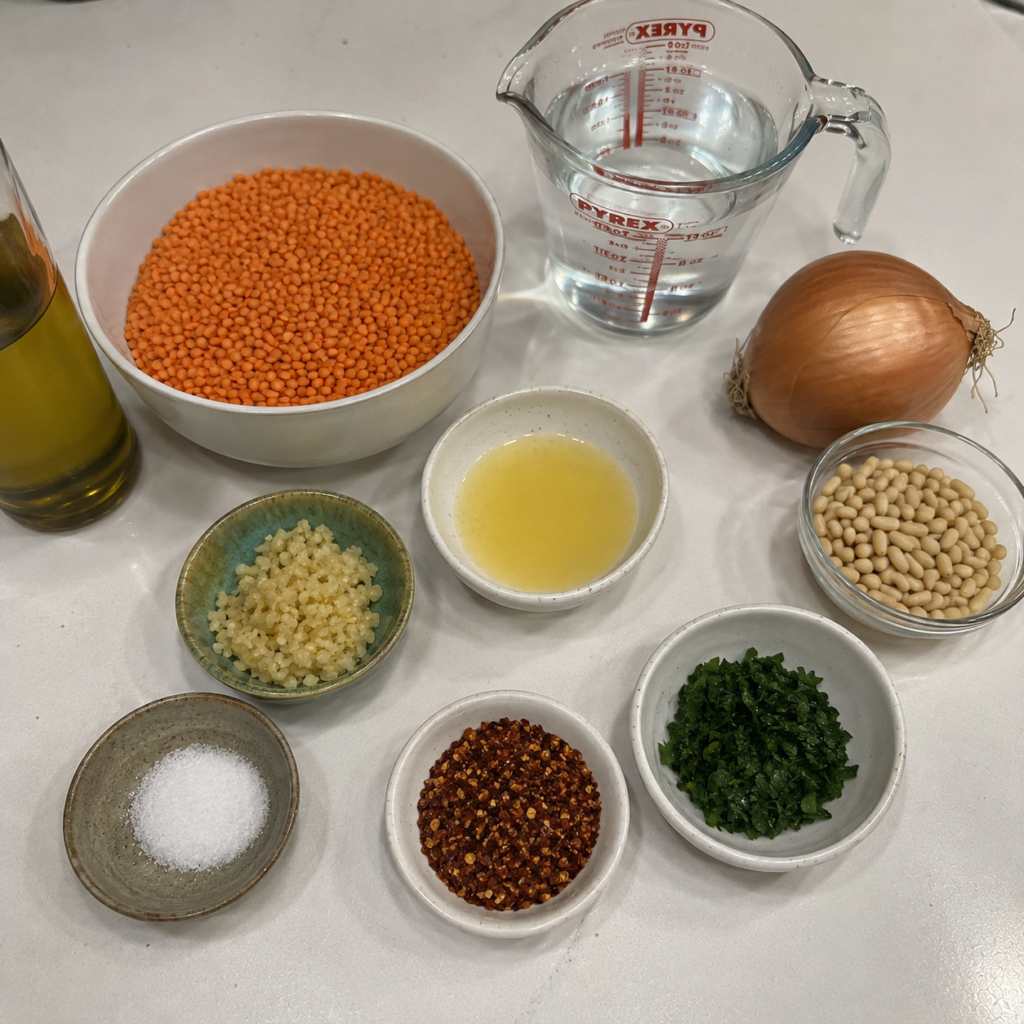
Ingredients
For the Lentil Base
- 1 cup red lentils
- 2½ cups water
- 1 medium onion, diced
- 1 garlic clove, minced
- 4 tablespoons olive oil
- 1 teaspoon salt
- 1 tablespoon lemon juice
For the Topping
- 2 tablespoons olive oil
- 2 tablespoons pine nuts
- 1 teaspoon red pepper flakes
- 2 tablespoons fresh parsley, finely chopped
For Serving
- Warm pita bread
- Lavash bread
- Crackers
- Fresh vegetables
How to Make Sultan Mezesi
Rinse the Lentils
Place the red lentils in a fine-mesh strainer and rinse thoroughly under cold running water.
Continue rinsing until the water runs mostly clear. This removes excess starch and helps create a smoother final texture.
Drain well before cooking.
Cook the Lentils
Transfer the rinsed lentils to a medium saucepan.
Add the water and bring everything to a gentle boil over medium-high heat.
As the lentils begin cooking, skim off any foam that forms on the surface.
Reduce the heat slightly and continue cooking until the lentils begin to soften.
Simmer Until Creamy
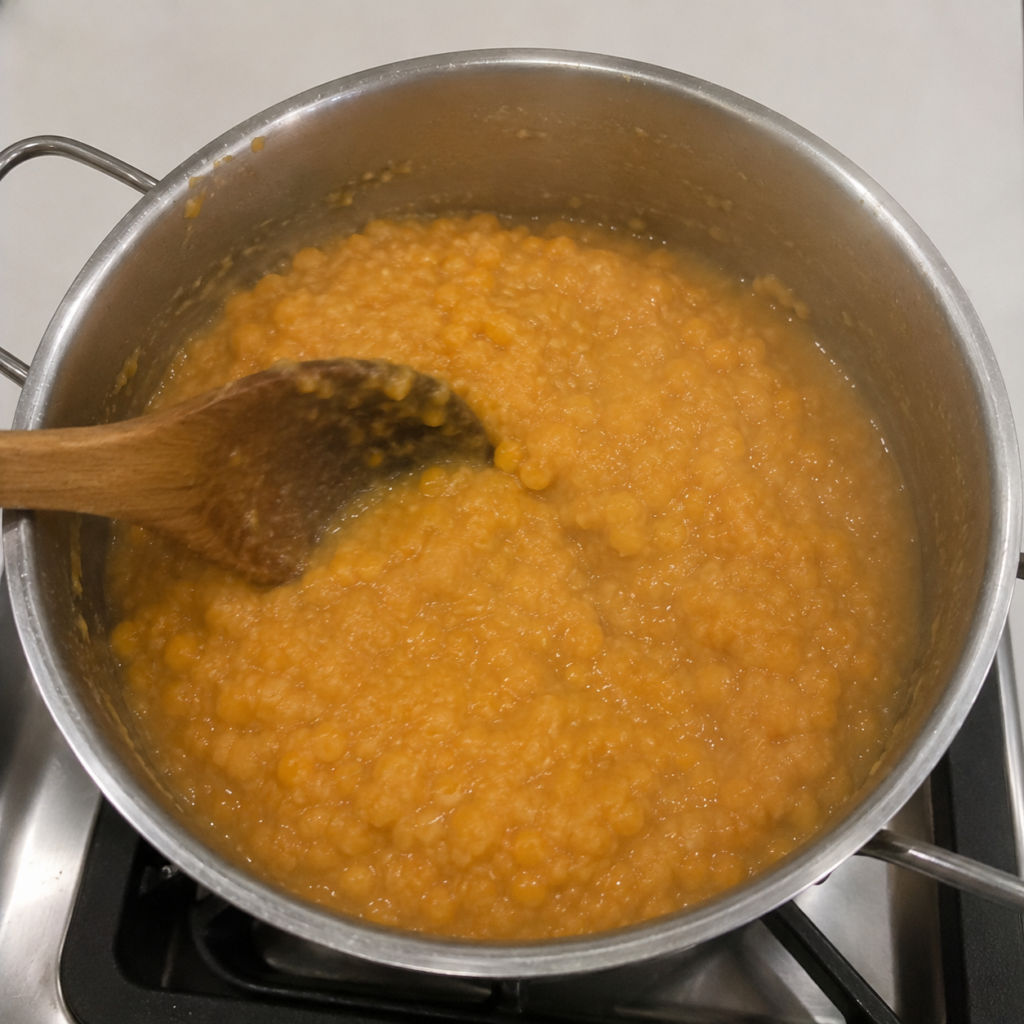
Lower the heat and cover the pot partially.
Allow the lentils to simmer gently until all the liquid is absorbed and the mixture develops a thick, creamy consistency.
Stir occasionally to prevent sticking.
The lentils should become very soft and easy to mash.
Sauté the Onion
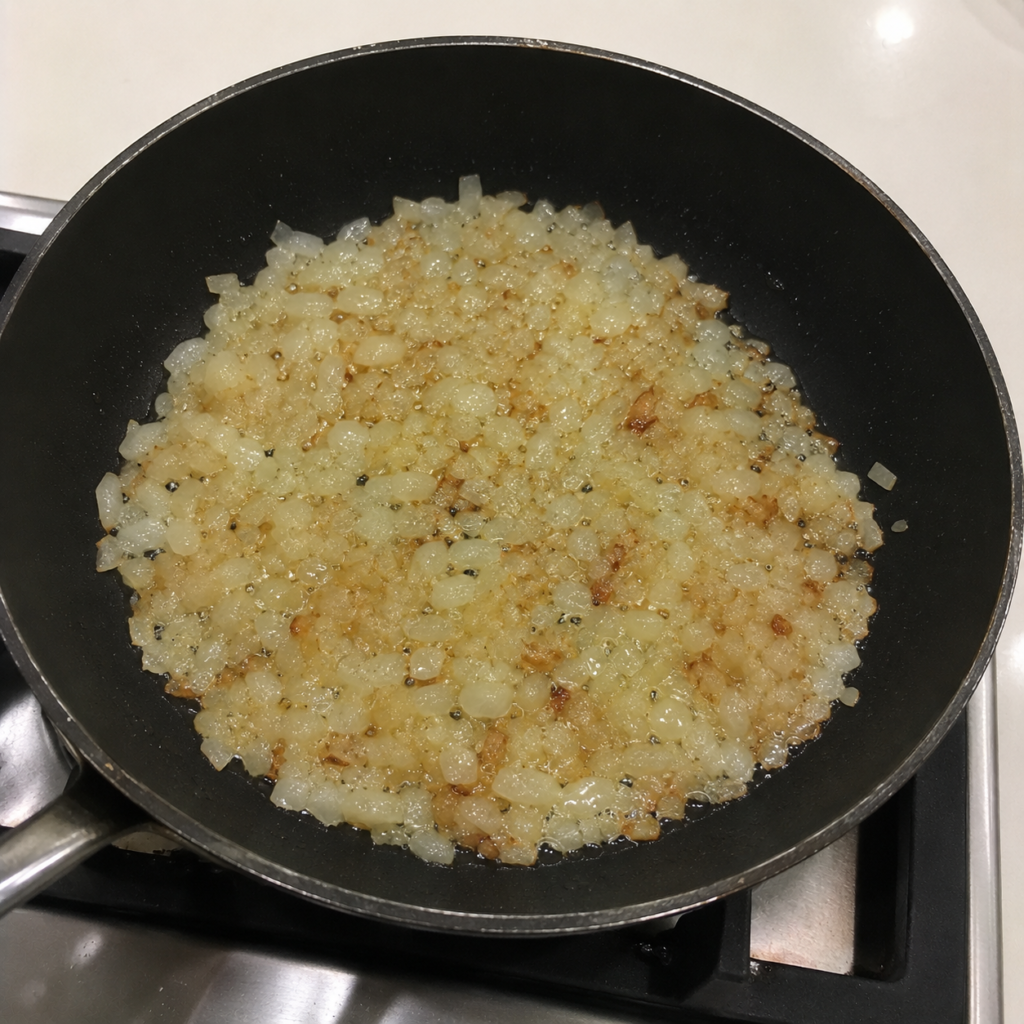
While the lentils are cooking, heat olive oil in a skillet over medium heat.
Add the diced onion and cook slowly until it becomes soft and lightly golden.
Properly cooked onions add sweetness and depth to the finished meze.
Take your time during this step for the best flavor.
Add the Garlic
Stir the minced garlic into the onions.
Cook for about 30 seconds, just until fragrant.
Avoid browning the garlic, as it can develop bitterness.
Combine the Mixture
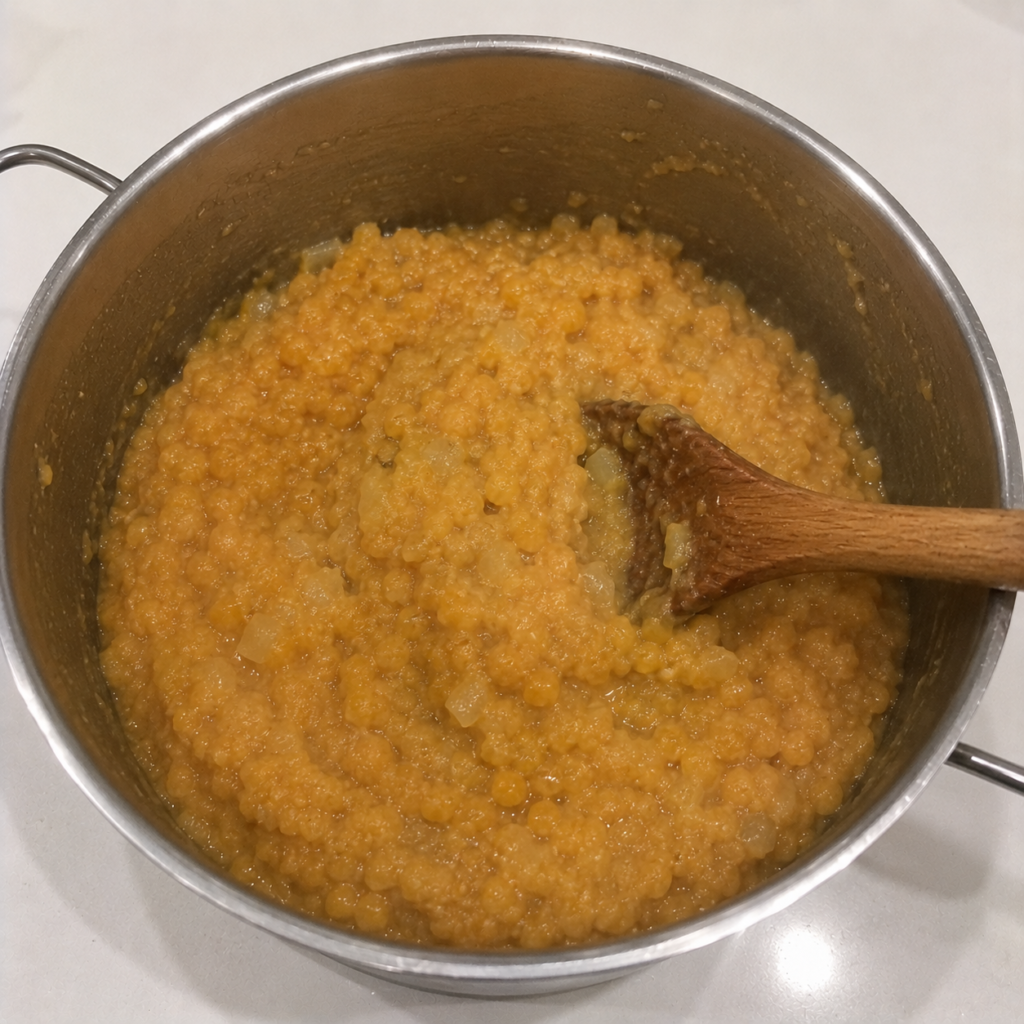
Add the cooked lentils to the onion mixture.
Season with salt and lemon juice.
Mix thoroughly until everything is evenly combined.
The onions should be distributed throughout the creamy lentil base.
Blend Until Smooth
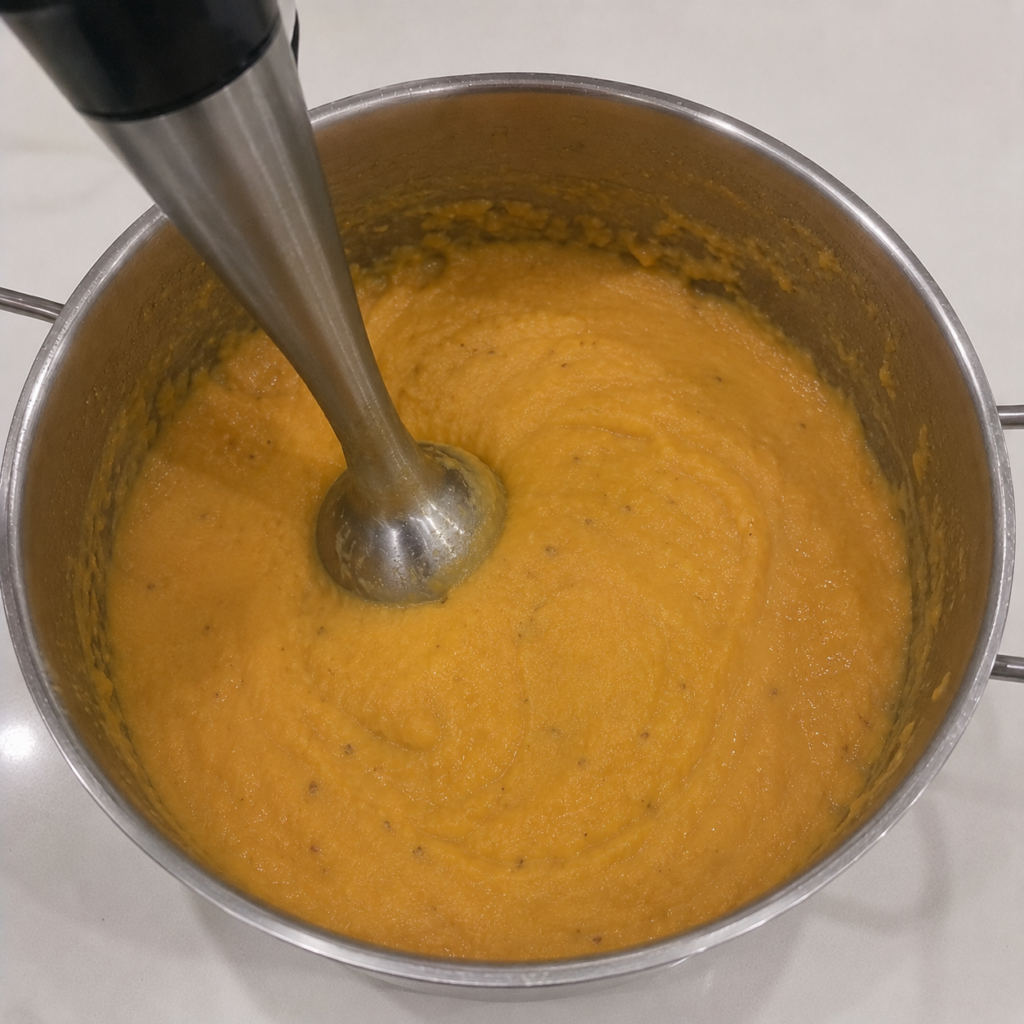
For a traditional creamy texture, use an immersion blender or food processor.
Blend until smooth while still leaving a slight rustic texture.
If the mixture appears too thick, add a tablespoon or two of warm water.
Taste and adjust seasoning if necessary.
Prepare the Pine Nut Topping
Heat olive oil in a small skillet over medium heat.
Add the pine nuts and stir continuously.
Cook until they develop a beautiful golden color.
Add the red pepper flakes and stir briefly.
Remove immediately from the heat to prevent burning.
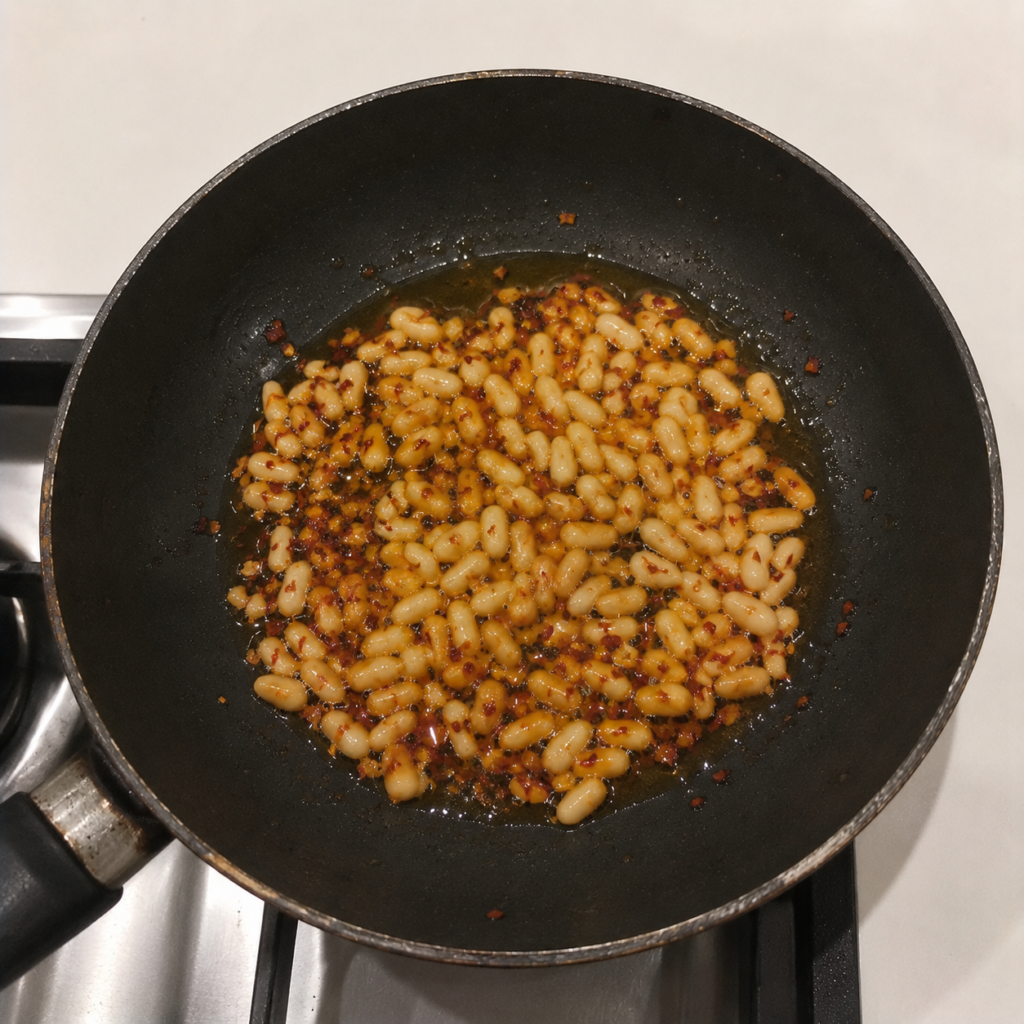
Plate the Meze
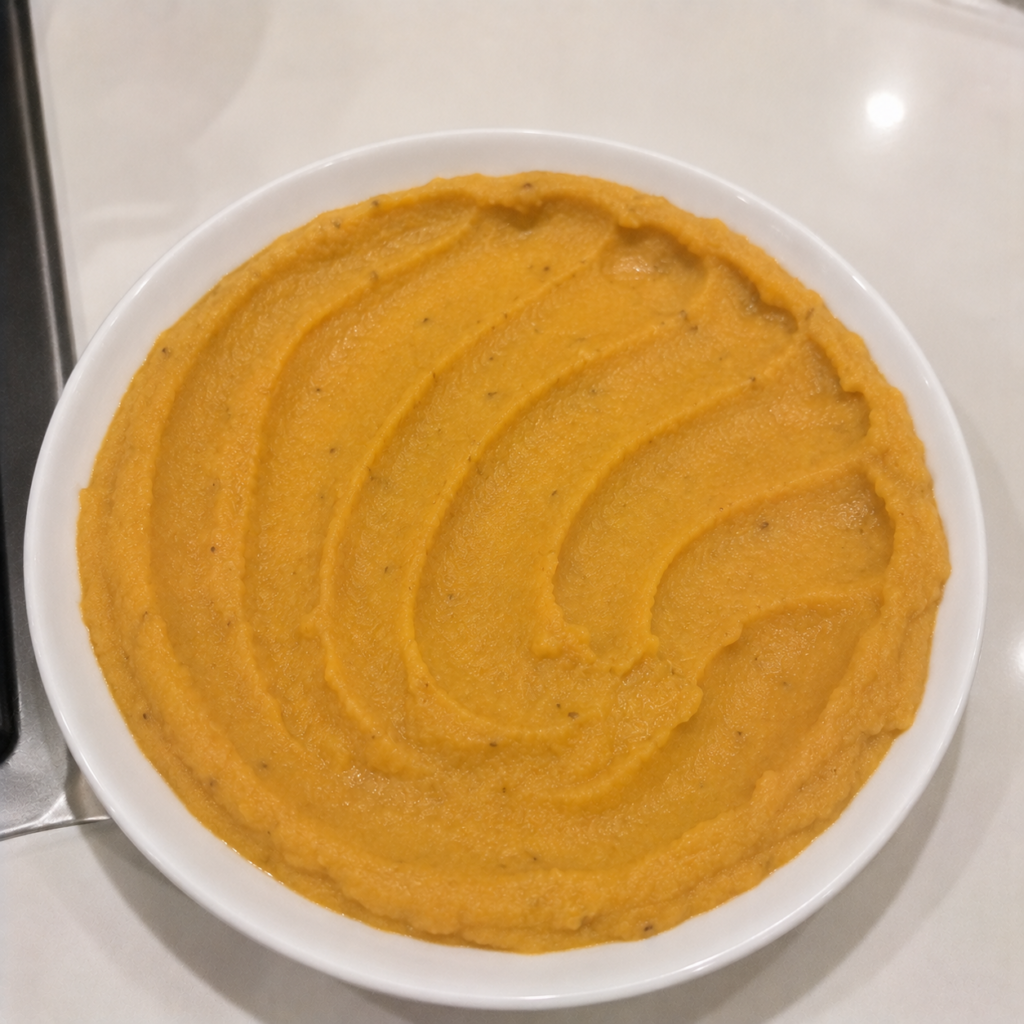
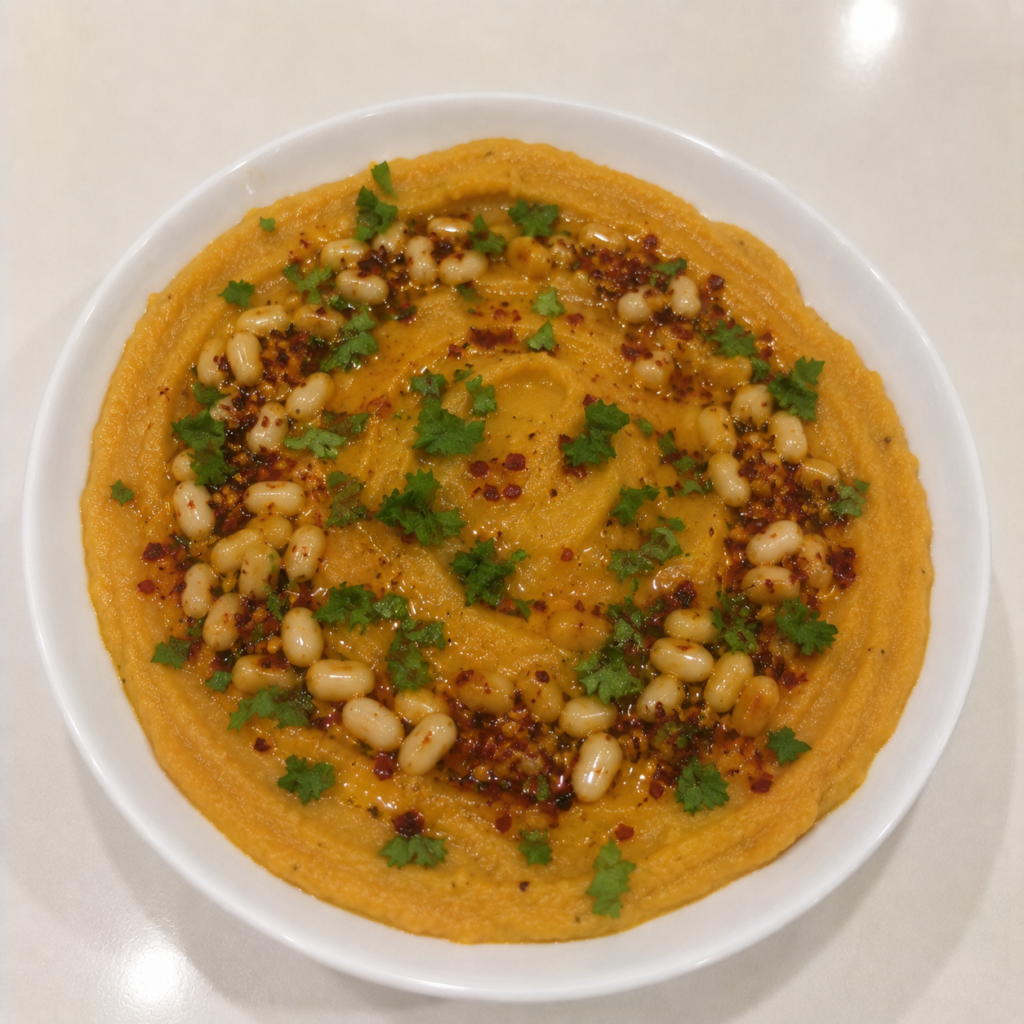
Spread the lentil mixture onto a serving plate or shallow bowl.
Use the back of a spoon to create decorative swirls and slight indentations across the surface.
This helps hold the flavorful topping.
Garnish and Serve
Spoon the warm pine nut mixture over the lentil puree.
Sprinkle with freshly chopped parsley.
Serve immediately or allow it to cool slightly before serving.
The meze can be enjoyed warm or at room temperature.
Common Mistakes to Avoid
One common mistake is not cooking the lentils long enough. They should be completely soft to achieve the smooth texture that defines this dish.
Another issue is rushing the onions. Proper caramelization creates sweetness and depth that significantly improves the flavor.
Overcooking the pine nuts is another frequent problem. They can go from golden to burnt very quickly, so watch them carefully.
Adding too much lemon juice can also overpower the dish. Start with a small amount and adjust gradually.
Finally, avoid serving the meze directly from the blender. Plating it attractively and adding the topping makes a significant difference in presentation.
Serving Suggestions
Sultan Mezesi is traditionally served as part of a Turkish meze table.
It pairs wonderfully with warm lavash bread, pita bread, and toasted flatbreads.
Fresh vegetables such as cucumbers, carrots, radishes, and bell peppers also make excellent accompaniments.
For a larger meal, serve it alongside grilled chicken, lamb kebabs, or fish.
It also complements other Turkish appetizers such as hummus, muhammara, haydari, and ezme.
A drizzle of extra virgin olive oil just before serving adds additional richness and visual appeal.
Storage and Reheating
Store leftover Sultan Mezesi in an airtight container in the refrigerator for up to four days.
The flavors often improve after a day as the ingredients have more time to meld together.
Before serving leftovers, allow the meze to sit at room temperature for approximately 20 minutes.
If desired, prepare a fresh pine nut topping before serving to restore some of the original texture and flavor.
Freezing is possible, although the texture may become slightly softer after thawing.
Frequently Asked Questions
Can I make Sultan Mezesi ahead of time?
Yes. In fact, many people prefer making it a day ahead because the flavors become even more developed.
Can I skip the pine nuts?
Yes. While pine nuts add richness and texture, chopped walnuts or almonds can be substituted.
Is Sultan Mezesi vegan?
Yes. This recipe contains no dairy, eggs, or meat.
Can I use green lentils?
Red lentils are strongly recommended because they break down into a smooth puree. Green lentils create a much different texture.
Can I serve it cold?
Absolutely. Sultan Mezesi tastes delicious both chilled and at room temperature.
What bread works best?
Lavash, pita bread, and rustic artisan bread are all excellent choices.
Final Thoughts
Sultan Mezesi proves that simple ingredients can create extraordinary flavors. The creamy lentils, sweet onions, aromatic garlic, toasted pine nuts, and fresh parsley work together to create a meze that feels both rustic and elegant.
Its versatility, nutritional value, and authentic Turkish character make it a fantastic addition to any table. Whether served as part of a traditional meze spread or enjoyed as a healthy snack, Sultan Mezesi consistently impresses with its rich flavor and satisfying texture.
If you are looking to expand your collection of Turkish appetizers, this classic lentil meze deserves a place near the top of your list. Simple to prepare, beautiful to serve, and delicious to eat, it truly lives up to its royal name.
Afiyet olsun!